
A tradition of intricate painting on paper—book illustrations and album works—that shaped Islamic art across three continents and remains a living craft in Herat.
In UNESCO’s words
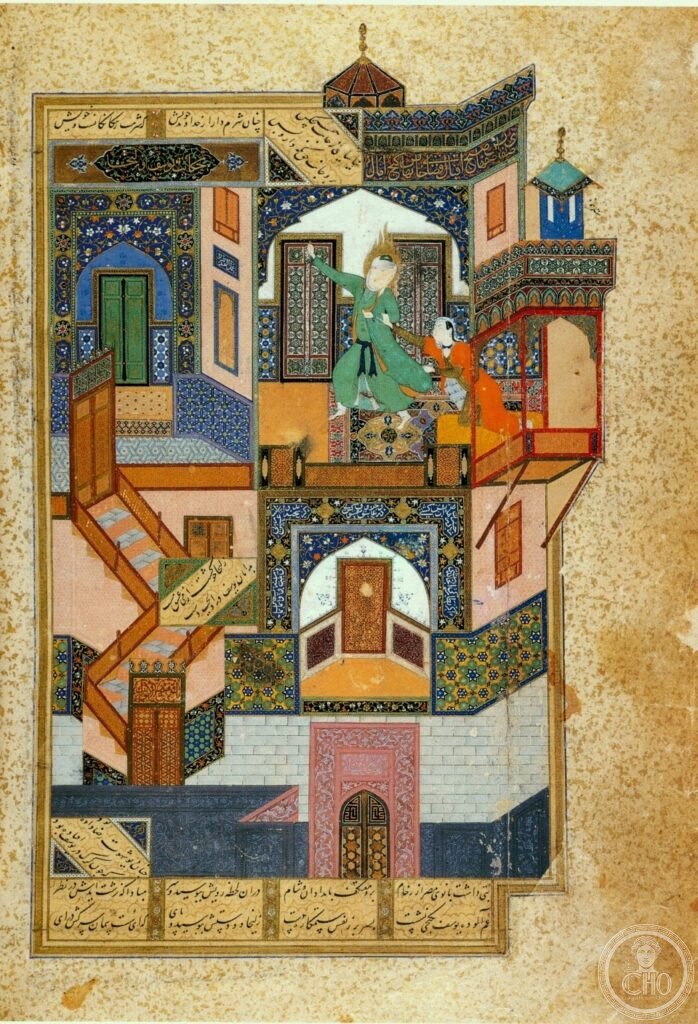
Miniature art is a detailed and symbolic form of painting scenes from history and literature. Its primary function is to acquaint the communities concerned with elements of culture, history and literature, embodying the knowledge and insight of their collective past. Certain artists have contributed to its recognition and popularity, with their works now adorning world-renowned museums. For instance, numerous artists and schools are inspired by the design and style of Kamal ud-Din Behzad’s work and use it as their primary model. As a means of telling stories and conveying meaning, the art form is not only seen in paintings but also reflected in architecture, such as minarets and historic buildings. It is a vibrant cultural expression that continues to be practised, recognized, and transmitted by several individuals, communities and institutions. The art provides a sense of identity and continuity, helping to preserve the cultural fabric of the Afghan people while contributing to social cohesion and mutual respect. It is transmitted both formally and informally, with many students choosing to study miniature painting every year, which helps to keep the tradition alive. Miniature art connects people with their past, heritage and values. A means of passing on knowledge and values from one generation to the next, it is a living tradition that preserves culture and inspires learning. As such, it helps the communities reflect on their shared history and contributes to fostering a sense of community identity and pride.
Official description, UNESCO Intangible Cultural Heritage List — Behzad's style of miniature art
At a glance
Miniature art is a detailed form of painting that depicts scenes from history and literature. These small works convey meaning and tell stories through symbolic imagery, functioning to connect communities with elements of their culture, history, and collective past. The art form appears not only in paintings but also in architectural expressions such as minarets and historic buildings, serving as a cultural expression that embodies knowledge and insight passed through generations.
Origins & history
The tradition has developed over time, with certain artists gaining recognition for their contributions. The work and design of artists such as Kamal ud-Din Behzad has inspired numerous other artists and schools, whose works now appear in world-renowned museums. The practice continues to be recognized and transmitted by communities and institutions, evolving while maintaining its core purpose of connecting people with their heritage and values.
The practice
Miniature artists today work in a detailed, precise manner to create their pieces. Students choose to study the form every year, learning to transmit the tradition through both formal and informal instruction. The art conveys meaning through symbolic painting of historical and literary scenes, with practitioners working to preserve the cultural knowledge and insight embedded within each work. The practice remains a living tradition actively carried out by individuals and communities.
Cultural significance
Miniature art provides communities with a sense of identity and continuity, helping preserve the cultural fabric of the Afghan people while contributing to social cohesion and mutual respect. The tradition connects people with their past, heritage, and shared values, fostering community pride and reflection on collective history. By passing knowledge and values from one generation to the next, it inspires learning and helps communities maintain their cultural identity in a changing world.
Key facts
- Country: Afghanistan
- Inscribed: 2025
- UNESCO list: Representative List of the Intangible Cultural Heritage of Humanity
- UNESCO reference: 02267
- UNESCO vocabulary: Miniature paintings; Sufism
- Map: not shown — UNESCO’s official description of this element names no locality, and a living tradition is practised across a community, not at one address.
Where to experience it
Miniature art continues to be practised and transmitted within the Afghan communities that have upheld this tradition for generations. Students pursue formal study of the craft each year, while informal transmission ensures knowledge passes between master and apprentice. The art appears not only in paintings but also in architectural elements such as minarets and historic buildings. Museums worldwide, including those in Afghanistan, Turkey, and the West, house historical examples, though the living tradition—with its workshops, studios, and active creation of new works—remains embedded in the communities themselves, keeping this cultural heritage alive and fostering a sense of shared identity and pride.
Sources & resources
- UNESCO — official element page: Behzad's style of miniature art
- UNESCO — open data record: Intangible Heritage List, reference 02267
- Reference — Wikipedia (secondary): Persian miniature — consulted as a secondary reference, not as confirmation
- Cultural Heritage Online: Our archive and city guides
Sources
- S1 — Canby, Sheila R. Persian Painting. Interlink Books, 1993. ISBN 978-1-56656-118-1.
- S2 — Blair, Sheila S., and Jonathan M. Bloom. The Art and Architecture of Islam 1250–1800. Yale University Press, 1994. ISBN 978-0-300-05888-8.
Spotted an error? Write to editorial@culturalheritageonline.com and we correct it the same day.