In 1925, in the quiet Jutland coastal town of Struer, young engineers Peter Bang and Svend Olufsen converted the attic of the Olufsen family manor into an experimental electronics workshop. By creating the Eliminator—a revolutionary radio adapter that bypassed bulky wet batteries to plug directly into household alternating current—Bang & Olufsen established Denmark’s premier design powerhouse, transforming everyday acoustic technology into sculptural modernist art.
The Struer Attic: Eliminating the Battery Burden
In the mid-1920s, commercial radio listening was plagued by cumbersome lead-acid batteries and corrosive recharging chemicals that made early audio entertainment both expensive and domestically disruptive. Having studied electrical engineering in Denmark and trained in American manufacturing plants, Peter Bang (1900–1957) joined forces with his schoolmate Svend Olufsen (1897–1949) at the Quistrup manor house near Struer. On November 17, 1925, with seed capital from their fathers, they registered Bang & Olufsen.
Their breakthrough product, the Eliminator (1927), allowed existing battery-powered radios to draw power directly from standard domestic mains electricity. Rapidly outgrowing the family attic, Bang & Olufsen constructed a dedicated factory on Peter Bangs Vej in Struer, equipped with specialized carpentry and cabinetmaking workshops that prioritized acoustic cabinet resonance alongside electrical precision.
Sculpting Sound: The Golden Age of Nordic Functionalism
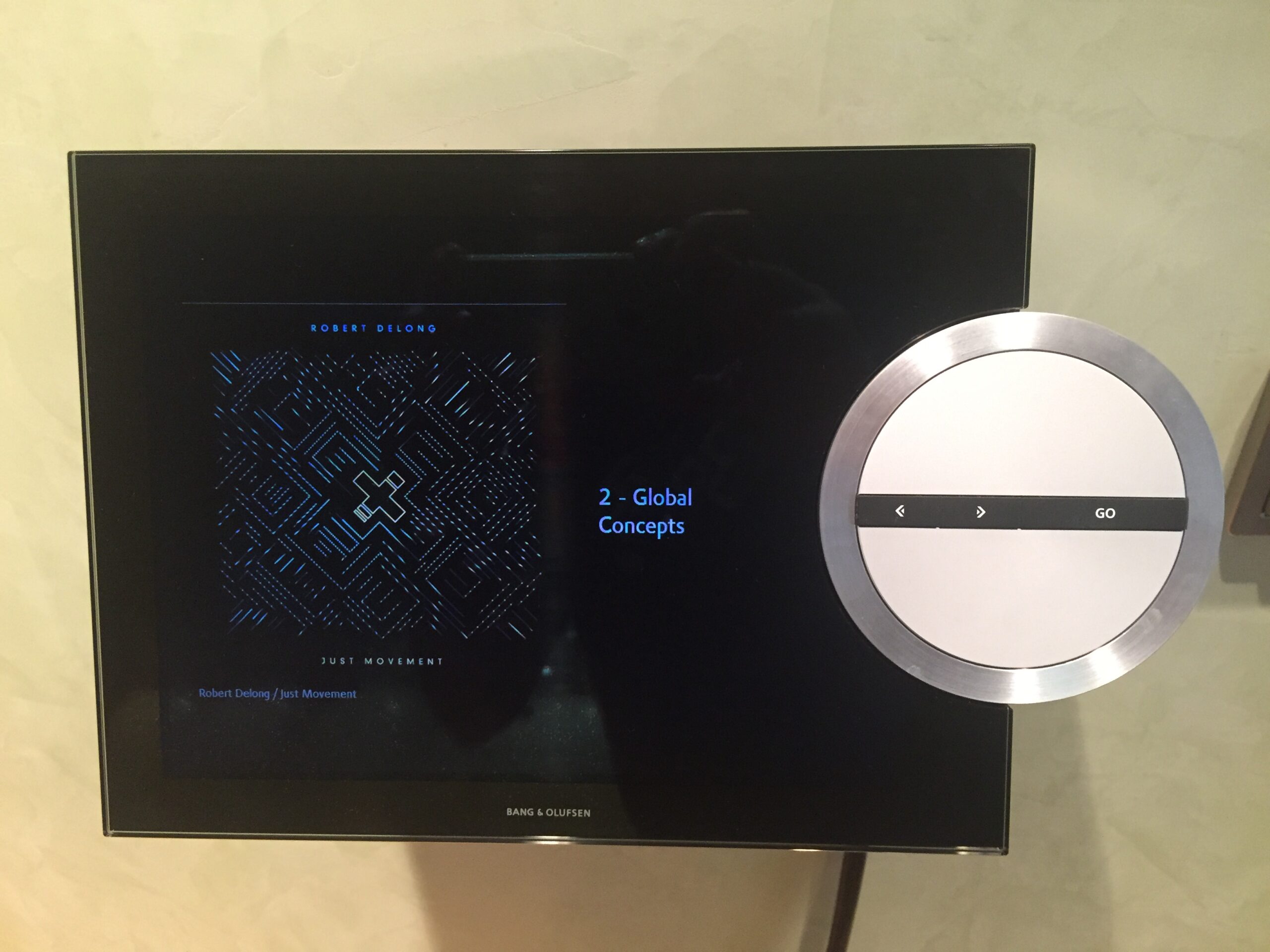
From the mid-1930s onward, Bang & Olufsen championed the tenet that an audio device should be an elegant architectural element within the home rather than a technical laboratory instrument. Collaborating with pioneering modernist designers including Acton Bjørn, Sigvard Bernadotte, and later Jacob Jensen and David Lewis, the company established an unmistakable visual language characterized by brushed anodized aluminum, rosewood veneers, and intuitive tactile interfaces.
Today, Bang & Olufsen’s creations are preserved in the permanent design collection of the Museum of Modern Art (MoMA) in New York and the dedicated Struer Museum in Jutland. As it marks its centenary, the company remains rooted in its historic Danish seaside home, exemplifying the enduring power of Nordic industrial design.
Mostra d'arte, eccellenza tecnica e creazioni di design
Immagini d'archivio storico dell'Istituto Luce che testimoniano l'attenzione europea per l'artigianato funzionale, il design d'avanguardia e l'eleganza delle forme applicate all'industria. (Fonte: Archivio Storico Istituto Luce Cinecittà)
Interactive 360° Heritage View: Bang & Olufsen Global Headquarters & Struer Heritage Campus
Historical Location: Peter Bangs Vej 15, 7600 Struer, Denmark (Coordinates: 56.4955, 8.5997)
Sources
- S1 — Ravn, Thomas Ravn. Bang & Olufsen: Fra radiofabrik til designikon. Aschehoug, 2005. ISBN 978-87-11-26702-8.
- S2 — Jarman, Tim, and Jarman, Nick. Crowood Collectors' Series: Bang & Olufsen. Crowood Press, 2008. ISBN 978-1-84797-040-4.
Spotted an error? Write to editorial@culturalheritageonline.com and we correct it the same day.