
A Korean folk song of more than 600 years, Arirang exists in approximately 3,600 variations across 60 different versions, each anchored by the iconic refrain that gives the song its name. Sung in both North and South Korea, it resonates as a symbol of cultural unity across the divided peninsula.
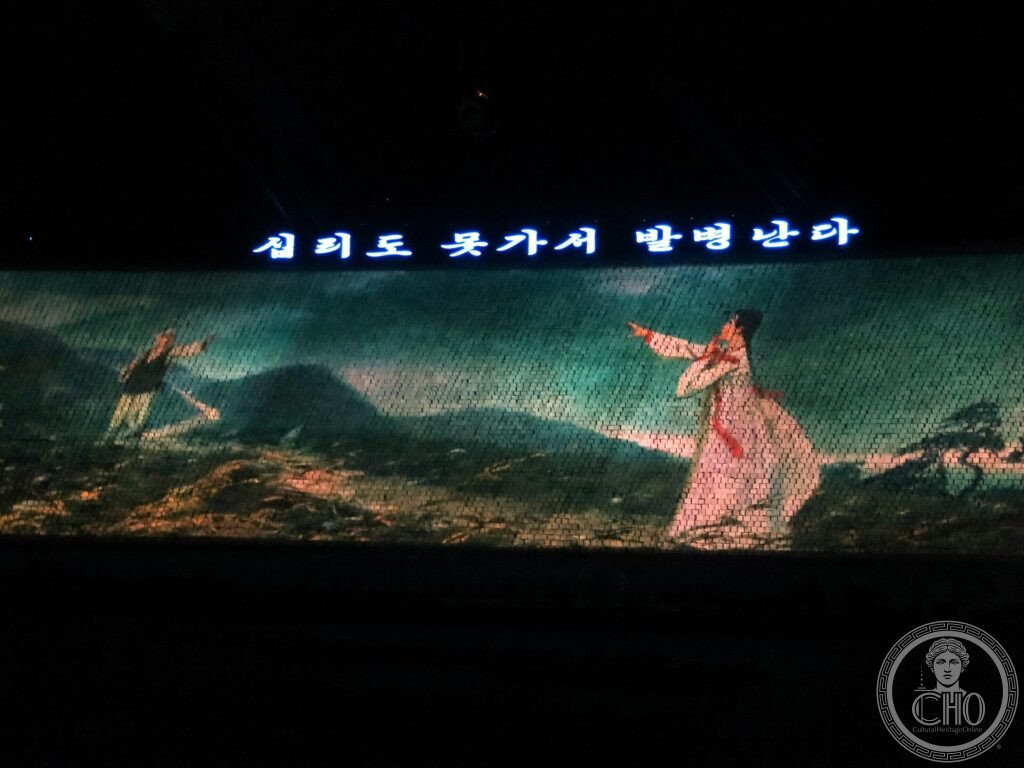
In UNESCO’s words
Arirang is a popular form of Korean folk song and the outcome of collective contributions made by ordinary Koreans throughout generations. Essentially a simple song, it consists of the refrain ‘Arirang, arirang, arariyo’ and two simple lines, which differ from region to region. While dealing with diverse universal themes, the simple musical and literary composition invites improvisation, imitation and singing in unison, encouraging its acceptance by different musical genres. Experts estimate the total number of folk songs carrying the title ‘Arirang’ at some 3,600 variations belonging to about sixty versions. A great virtue of Arirang is its respect for human creativity, freedom of expression and empathy. Everyone can create new lyrics, adding to the song’s regional, historical and genre variations, and cultural diversity. Arirang is universally sung and enjoyed by the Korean nation. At the same time, an array of practitioners of regional versions, including local communities, private groups and individuals, actively lead efforts for its popularization and transmission, highlighting the general and local characteristics of individual versions. Arirang is also a popular subject and motif in diverse arts and media, including cinema, musicals, drama, dance and literature. It is an evocative hymn with the power to enhance communication and unity among the Korean people, whether at home or abroad.
Official description, UNESCO Intangible Cultural Heritage List — Arirang, lyrical folk song in the Republic of Korea
At a glance
Arirang is a Korean folk song built from a simple structure: the refrain 'Arirang, arirang, arariyo' followed by two lines that vary by region. This basic form invites singers to improvise and create new lyrics, making it accessible across different musical genres and encouraging people to sing together. Experts identify approximately 3,600 variations organized into about sixty versions, all shaped by ordinary Koreans across generations.
Origins & history
Arirang emerged from collective contributions by Korean people over time, though the official description does not specify when or where it began. The song's simple musical and literary design allowed it to develop into thousands of distinct versions. Each variation reflects regional, historical, and genre differences, with the core refrain remaining constant while surrounding lyrics changed to suit local communities and occasions.
The practice
Arirang is performed as a vocal tradition with a consistent refrain anchoring each version. Practitioners—including local communities, private groups, and individuals—actively perform and transmit regional versions. The song's structure respects human creativity and freedom of expression: anyone can create new lyrics or add their own melodies, encouraging improvisation and singing in unison. This openness allows the tradition to absorb influences from diverse musical genres and performance contexts.
Cultural significance
Arirang holds deep meaning for the Korean nation as an expression of shared cultural identity and empathy. The song's power lies in its ability to enhance communication and unity among Korean people, whether at home or abroad. It demonstrates respect for human creativity and freedom of expression while serving as a popular subject across arts and media, including cinema, musicals, drama, dance, and literature.
Key facts
- Country: Republic of Korea
- Inscribed: 2012
- UNESCO list: Representative List of the Intangible Cultural Heritage of Humanity
- UNESCO reference: 00445
- UNESCO vocabulary: Performing arts; Vocal music
- Map: not shown — UNESCO’s official description of this element names no locality, and a living tradition is practised across a community, not at one address.
Where to experience it
Arirang is universally sung and enjoyed throughout Korea by people in domestic settings, festivals, and cultural events. The song remains central to Korean cultural life, performed in both formal presentations and everyday contexts. Regional versions are actively maintained and transmitted by local communities, private groups, and individual practitioners who ensure the tradition's continued evolution and popularity. Visitors may encounter Arirang across diverse artistic media, including cinema, musicals, drama, dance, and literature, reflecting its enduring significance as a symbol of Korean identity and unity.
Sources & resources
- UNESCO — official element page: Arirang, lyrical folk song in the Republic of Korea
- UNESCO — open data record: Intangible Heritage List, reference 00445
- UNESCO — official video: UNESCO film on this element — embedded on this page
- UNESCO — official photograph: Photograph of this element — Jeongseon Arirang Research Institute, 2009
- Reference — Wikipedia (secondary): Arirang — consulted as a secondary reference, not as confirmation
- Cultural Heritage Online: Our archive and city guides
