

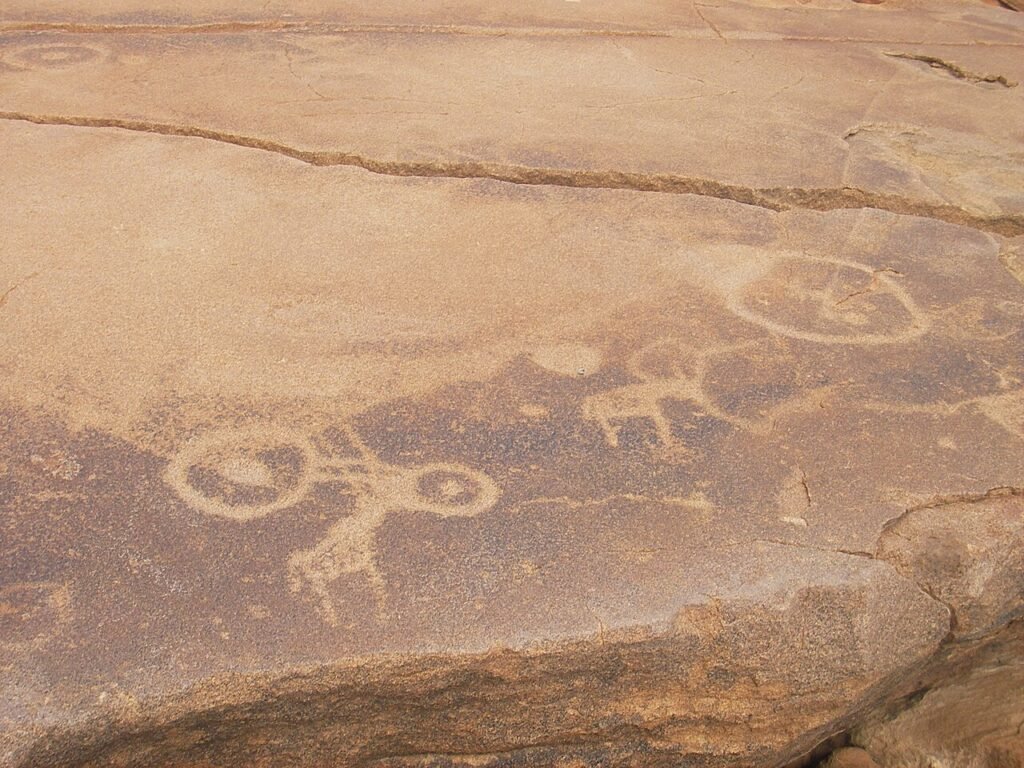
UNESCO World Heritage Sites in Namibia: Complete Guide
Namibia has 2 UNESCO World Heritage Sites, one cultural and one natural, inscribed between 2007 and 2013. That compact figure belies a country of…

Namibia has 2 UNESCO World Heritage Sites, one cultural and one natural, inscribed between 2007 and 2013. That compact figure belies a country of…

Museums attract younger visitors by making collections discoverable online, visually shareable, and interactive — not by lowering standards. What the evidence says works.
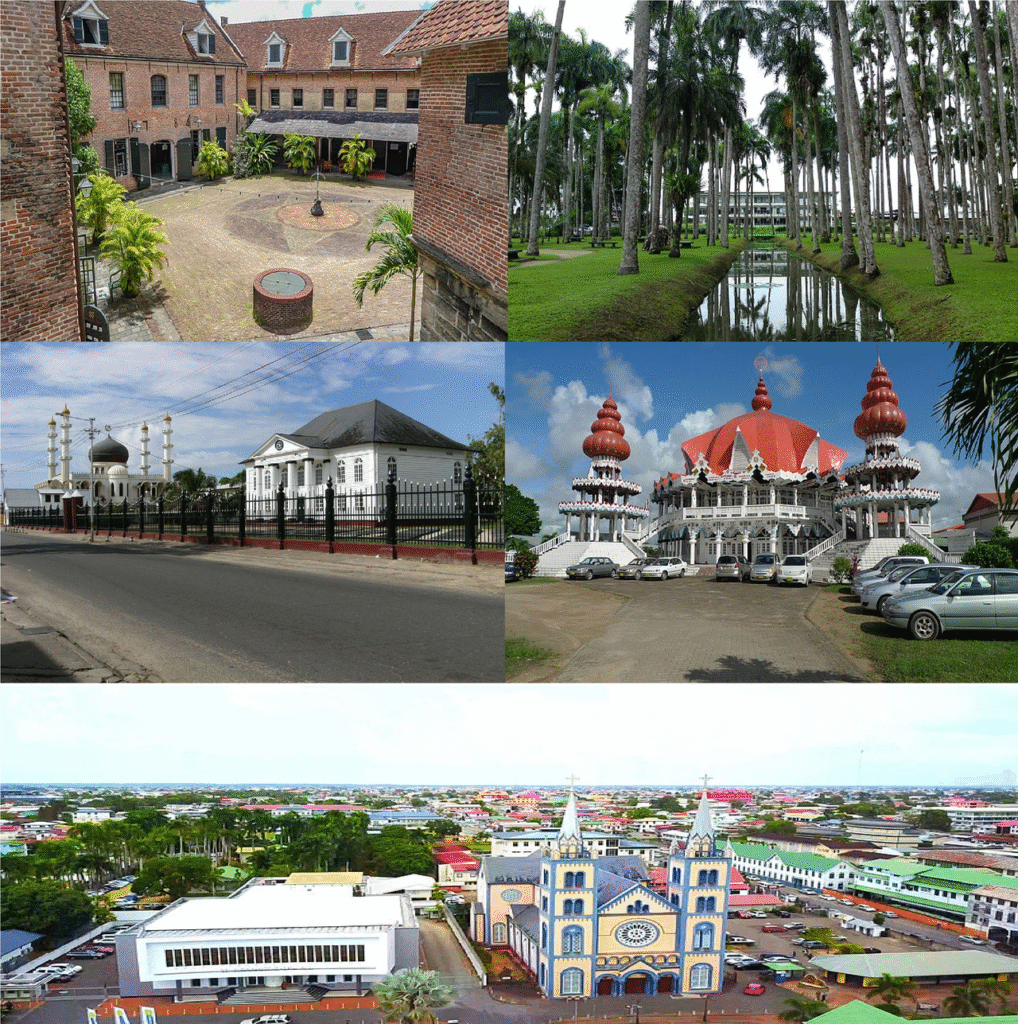
Suriname has three UNESCO World Heritage Sites — a small but remarkably varied list that spans Amazonian rainforest of continental scale, a canal-laced…
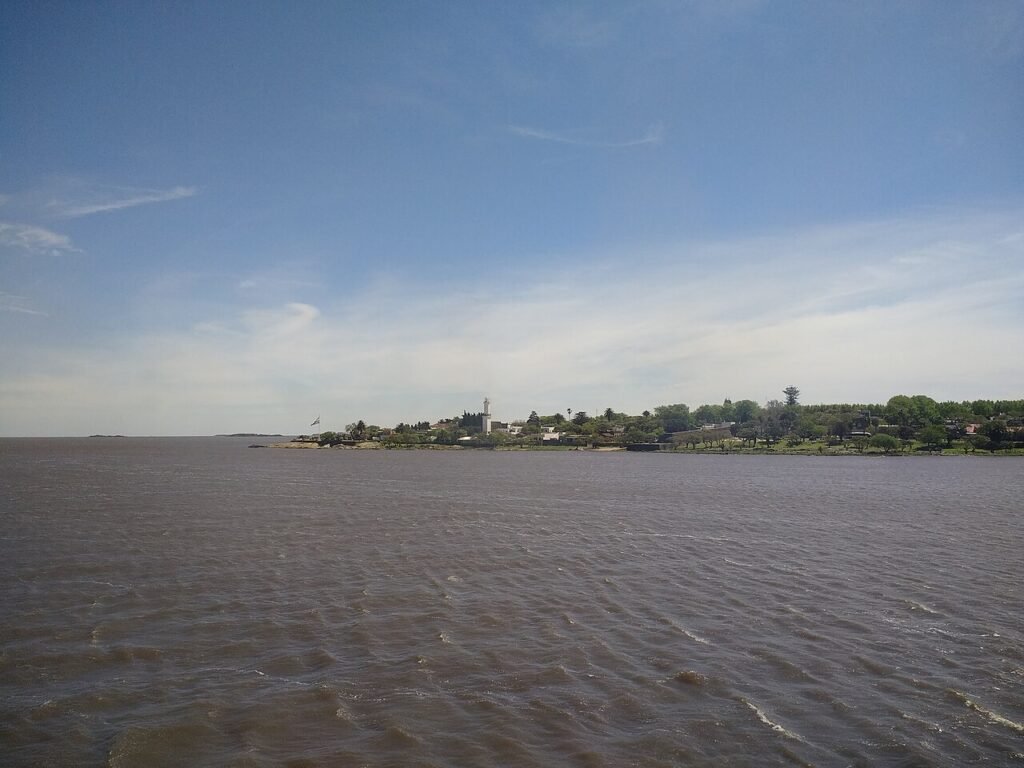
Uruguay has three UNESCO World Heritage Sites, each one registering a different layer of the country’s past: Portuguese colonial urbanism on the Río de la…

A World Heritage Site is a place inscribed by UNESCO for its Outstanding Universal Value. The ten criteria, the inscription process, and what designation actually means.

Papua New Guinea has 1 UNESCO World Heritage Site, a number that belies the extraordinary depth of human and ecological history contained within this Pacific…
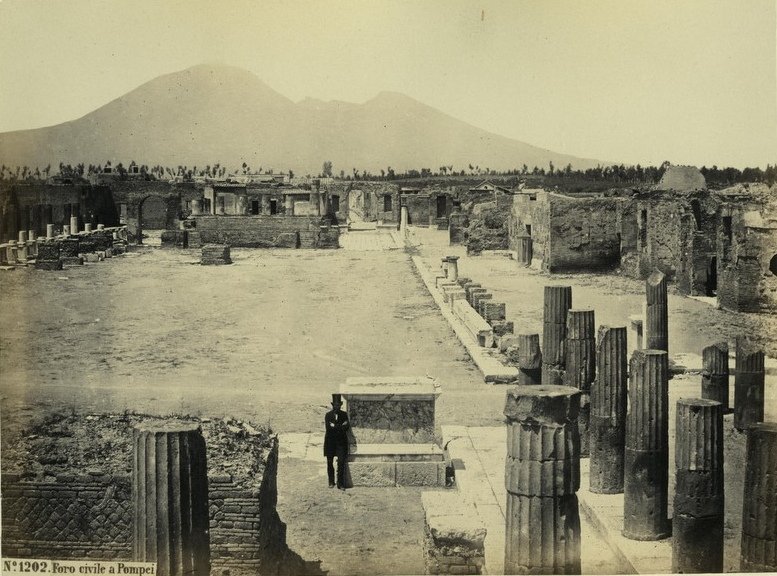
Cultural heritage is what human societies have created; natural heritage is what nature has formed. UNESCO protects both under the 1972 Convention. The difference, with examples.
Heritage tourism is the part of travel that is organised around what a place has inherited: a building, a site, a craft, a story that belongs to a community. It is one of the largest segments of cultural travel, and the one where a single page, written well, can change who finds a place.

Bolzano is one of the few European cities where the architecture of totalitarianism is still the architecture of everyday life. The post office is the post…

The Piave river runs for 220 kilometres from the Carnic Alps to the Adriatic north of Venice. For roughly eight months — from October 1917 to November 1918…