Haren airfield passenger operations, early cross-Channel flights, and century-long national aviation heritage born in Brussels.
In the spring of 1923, Belgium stood at the forefront of European efforts to transform military aeronautical technology into a peaceful, reliable international transport network. On 23 May 1923, the Belgian state, in collaboration with private financial institutions and the pioneering aviation syndicate SNETA, formally incorporated SABENA (Société Anonyme Belge d’Exploitation de la Navigation Aérienne). Established as the national flag carrier, the enterprise was charged with connecting the Belgian capital to major European financial hubs and establishing ambitious intercontinental air bridges to central Africa.
The Haren Airfield Debut and Early Cross-Channel Routes
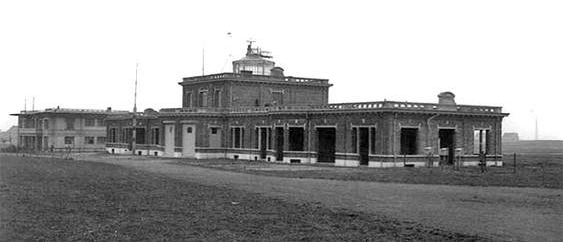
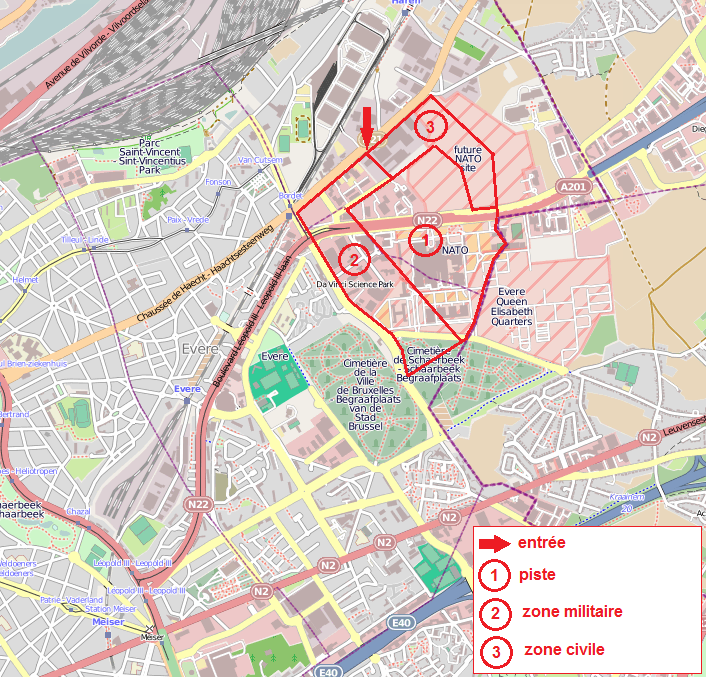
Operating from its historic aeronautical base at the Haren-Evere airfield just northeast of central Brussels, SABENA conducted its maiden commercial flight on 1 July 1923, ferrying passengers and express airmail between Brussels, Ostend, and London. Early services deployed single-engine and multi-engine aircraft, quickly standardizing on robust Handley Page, Fokker, and Junkers transport designs. The company’s pilots navigated demanding North Sea fog banks and erratic weather conditions without modern radar, relying on dead reckoning, visual coastal landmarks, and rigorous mechanical discipline in the Haren maintenance hangars.
Transcontinental African Corridors and European Airline Excellence
Throughout the late 1920s and 1930s, SABENA established some of the most daring long-distance air routes in global aviation history. Pioneer aviator Edmond Thieffry blazed a pioneering air route linking Brussels directly to Léopoldville in central Africa, laying the groundwork for scheduled transcontinental airline operations. Across Europe, SABENA connected Brussels to Paris, Amsterdam, Berlin, and Zurich, establishing the Belgian capital as an essential crossroads of international passenger transit, renowned for technical punctuality and silver multi-engine fleet elegance.
For nearly eight decades, SABENA represented the sovereign dignity and engineering prowess of Belgian civil aviation across the globe. The memory of its foundational 1923 flights at Haren Airfield remains an immortal chapter in the annals of European aerial navigation and commercial transport history.
Historic Site & Location
Historic Address: Haren, 1130 Bruxelles, Belgium
Nearby in the archive
Sources
- S1 — Archives Générales du Royaume de Belgique, Fonds SABENA — https://arch.arch.be/
- S2 — Musée Royal de l’Armée et d’Histoire Militaire, Section Air et Espace — https://warheritage.be/
- S3 — SPF Mobilité et Transports (Belgique), Direction Transport Aérien — https://mobilit.belgium.be/
Spotted an error? Write to editorial@culturalheritageonline.com and we correct it the same day.