Sources
- S1 — Wachtel, Joachim. Die Lufthansa-Chronik: Hundert Jahre Luftverkehr. DuMont, 1999. ISBN 978-3-7701-4966-7.
- S2 — Budraß, Lutz. Adler und Kranich: Die Lufthansa und ihre Geschichte 1926-1955. Karl Blessing Verlag, 2016. ISBN 978-3-89667-481-4.
On January 6, 1926, in Berlin, the historic merger between Deutscher Aero Lloyd and Junkers Luftverkehr gave birth to Deutsche Luft Hansa A.G. Adopting Otto Firle’s iconic stylized crane insignia, Lufthansa pioneered night passenger flights, transcontinental routes, and all-metal airliner fleets, laying the institutional and technological cornerstone of modern European civil aviation.
The Berlin Merger of 1926: Erhard Milch and the Blue Crane
In early 1926, fragmented airline operators and severe postwar economic and treaty restrictions threatened to paralyze Germany’s civilian transport sector. Under the leadership of aviation directors Erhard Milch and Otto Merkel, the nation’s two primary airlines merged into a single carrier: Deutsche Luft Hansa A.G. The company adopted the dynamic flying crane emblem created in 1918 by graphic designer Otto Firle for Deutsche Luft-Reederei.
Beginning regular flight operations on April 6, 1926 from Berlin’s newly developed Tempelhof Airport, Lufthansa launched scheduled passenger and airmail services linking Berlin with Zurich, operating pioneering all-metal Junkers F 13 and G 24 multi-engine airliners.
From Iron Birds to Global Alliance: A Century of Flight Leadership
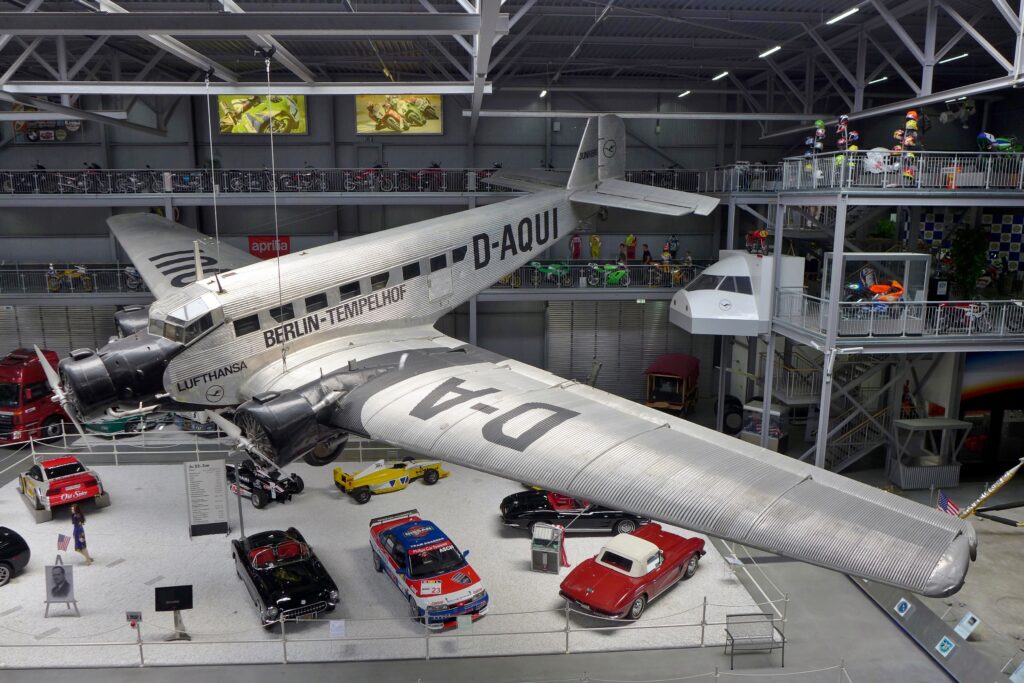
Throughout the 1930s, Deutsche Luft Hansa expanded international air transport by operating the corrugated-duralumin three-engine Junkers Ju 52/3m ("Tante Ju") and establishing transatlantic catapult-assisted postal routes to South America. During the National Socialist era, the airline entered what its official history describes as a “disastrous symbiosis” with the regime.
Following the dissolution of the original entity at the end of World War II, a new commercial airline—Aktiengesellschaft für Luftverkehrsbedarf (Luftag)—was incorporated in Cologne in 1953, acquiring the historic name Deutsche Lufthansa AG and the crane trademark in 1954 before resuming flight operations in 1955. Today, headquartered in Cologne with its primary operational hub at Frankfurt Airport, the publicly traded Lufthansa Group approaches its 1926–2026 centennial as Europe’s largest airline group and a founding pillar of the Star Alliance.
Aircraft Manufacturing: Construction and Flight Testing of Historical Airliners
Original historical newsreel from the Istituto Luce Cinecittà Archive capturing 1920s multi-engine commercial transport construction and passenger airliner flight trials; this is period footage illustrating early European aviation and does not show Deutsche Luft Hansa. (Source: Historical Archive Istituto Luce Cinecittà / Period Newsreels)
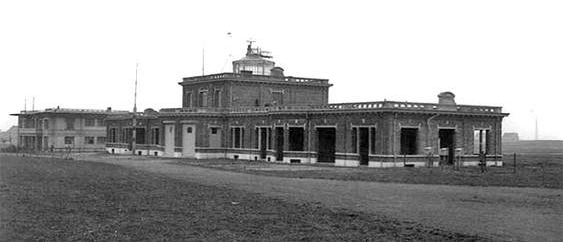
Interactive 360° Street View: Flughafen Berlin-Tempelhof & Historic Deutsche Luft Hansa Cradle
Historical Location: Platz der Luftbrücke 5, 12101 Berlin, Germany (Coordinates: 52.4831, 13.3888)