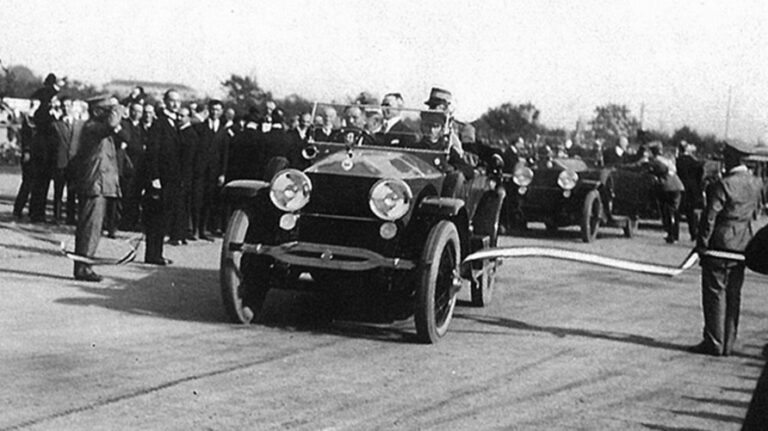
Interwar motorized road transport, transcontinental freight corridors, and green intermodal logistics founded in Vienna.
In 1924, central Europe was navigating the painful economic aftermath of the First World War. The historic rail networks that had served the Austro-Hungarian Empire were divided across new national borders, customs barriers, and differing track regulations, creating severe commercial bottlenecks. Recognizing that modern internal combustion motor trucks offered unprecedented flexibility for overland trade, the Walter family established a modest freight transport enterprise in Vienna. The initiative laid the foundation for LKW Walter (Internationale Transportorganisation), destined to become one of the premier overland transport organizations across the European continent.
Overcoming Border Bottlenecks with Motorized Freight Fleets
Operating initially with a handful of rugged chain-driven gasoline lorries, LKW Walter specialized in scheduled regional freight delivery between Viennese factories, Danubian river docks, and surrounding industrial towns in Lower Austria. The company navigated difficult unpaved highways and severe post-imperial customs controls by developing disciplined scheduling routines and establishing trusted forwarding partnerships across central Europe. By focusing on full truckload (FTL) transport, Walter maximized hauling efficiency and lowered transport costs for manufacturing clients during the turbulent 1920s and 1930s.

Pioneering Green Intermodal Rail-Road Transport Solutions
In the post-Second World War era of European economic integration, LKW Walter expanded aggressively across continental transport corridors. Anticipating modern environmental challenges decades before they became mainstream policy, the company became an early pioneer of combined intermodal transport in the 1980s. Developing heavy craneable semi-trailers that could be seamlessly loaded onto specialized railway wagons and maritime roll-on/roll-off ferries, Walter established a pan-European green logistics network that reduced highway congestion while linking Scandinavia, Great Britain, and central Europe directly with the Mediterranean and Black Sea basins.
Still proudly operating under independent family ownership, LKW Walter maintains its primary corporate headquarters in Wiener Neudorf, in the southern metropolitan district of Vienna. Its hundred-year evolution from a Viennese motor haulage workshop into a pan-European intermodal freight giant embodies a century of European transport engineering, trade resilience, and logistics heritage.
Historic Site & Location
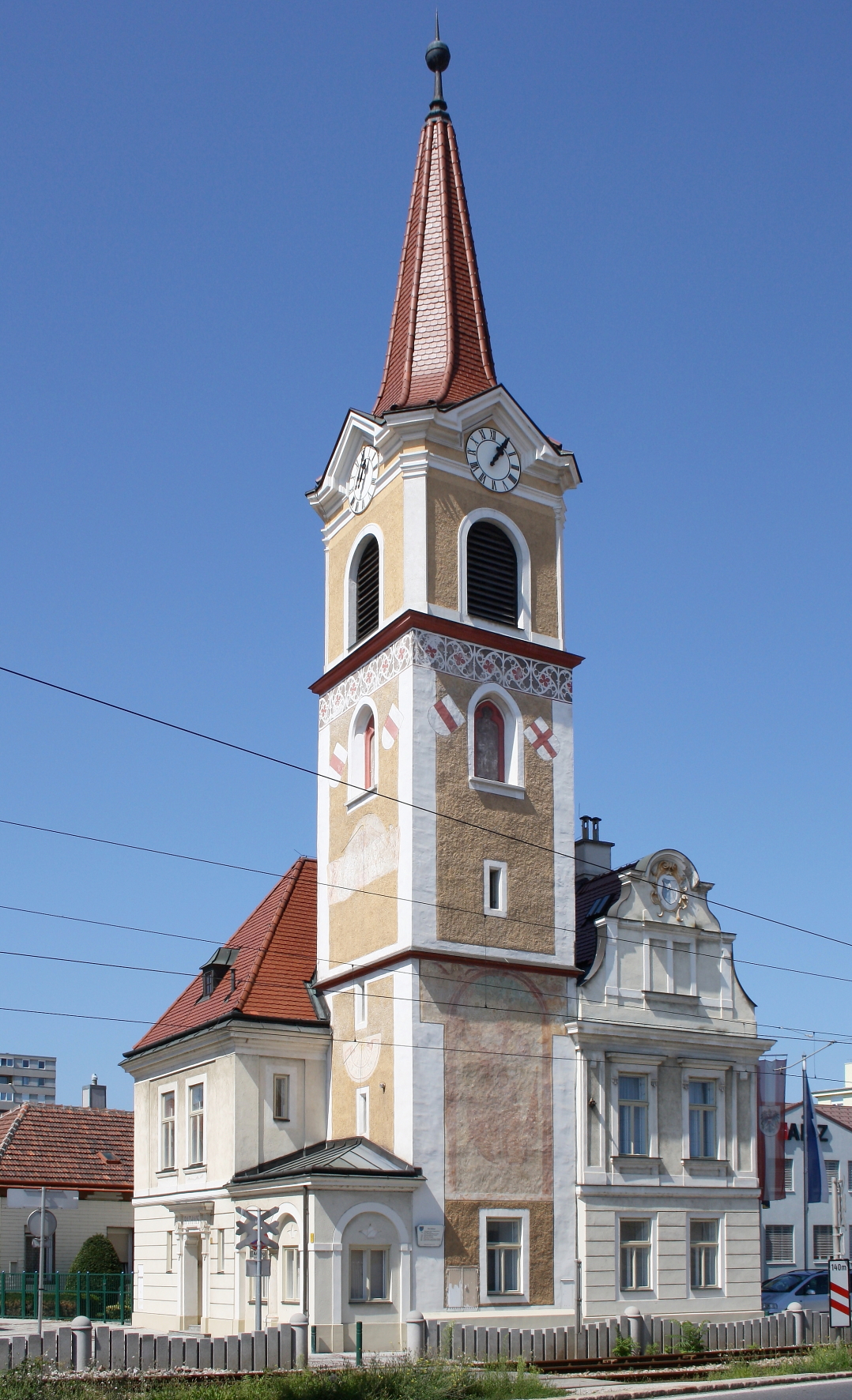
Historic Address: Wiener Neudorf, 2351 Bezirk Mödling, Austria
Nearby in the archive
Sources
- S1 — Niederösterreichisches Landesarchiv, Gewerberegister und Transportkonzessionen — https://www.noe.gv.at/landesarchiv
- S2 — Wirtschaftskammer Österreich (WKO), Güterbeförderungsgewerbe Archivbestände — https://www.wko.at/
- S3 — Marktgemeinde Wiener Neudorf, Ortsarchiv und Industrieansiedlungen — https://www.wiener-neudorf.gv.at/
Spotted an error? Write to editorial@culturalheritageonline.com and we correct it the same day.