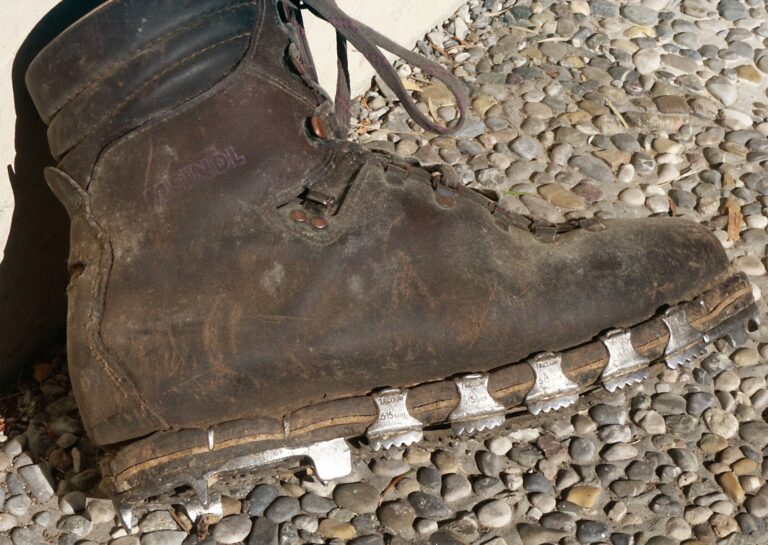
Steam-bent wooden toboggans, composite laminate ski innovations, and century-long winter sports craftsmanship founded in Ried im Innkreis.
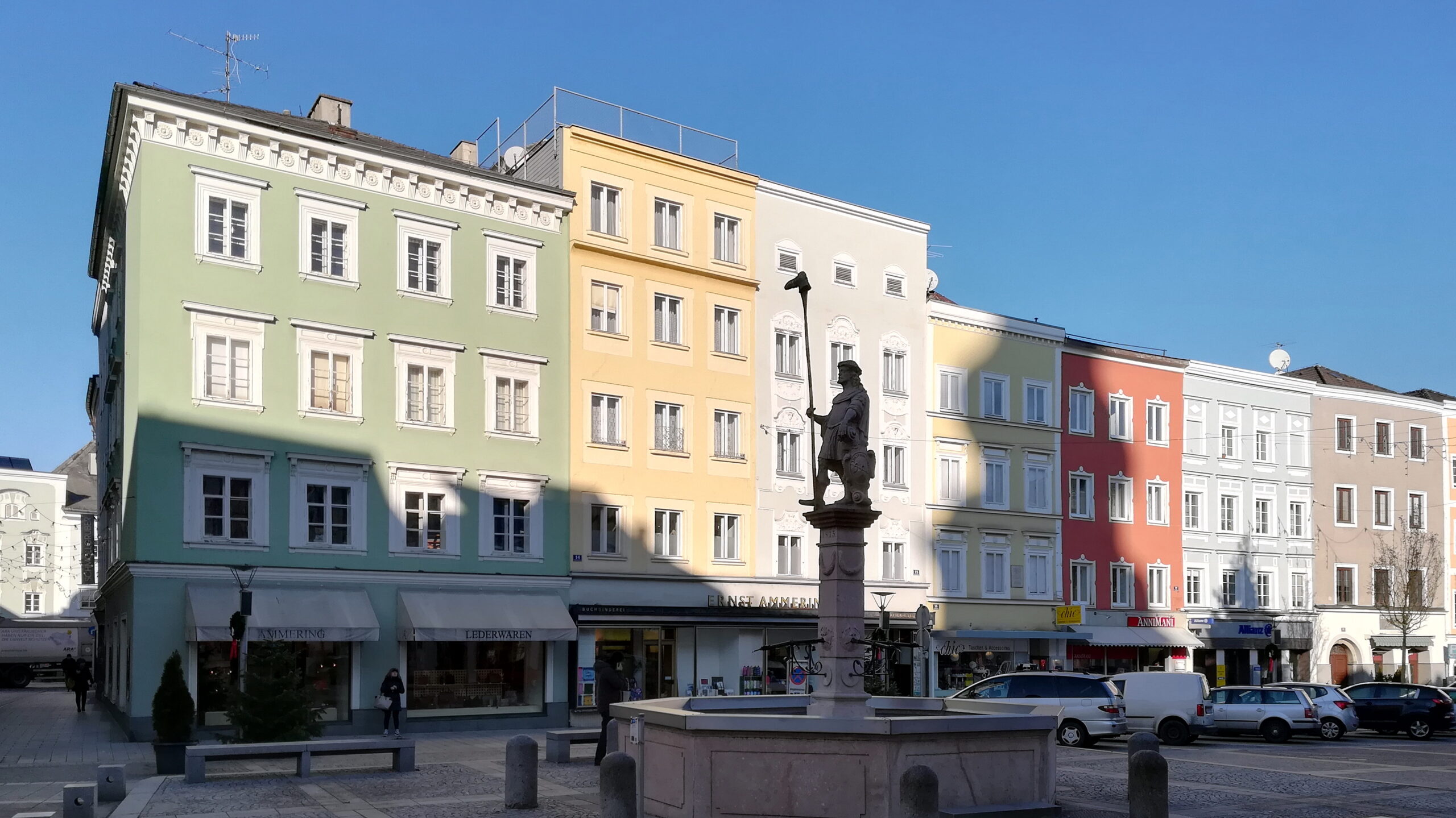
In the mountainous landscapes of post-imperial Austria, the early 1920s saw alpine skiing evolve from an eccentric aristocratic pastime into an authentic popular winter sporting culture. In the agricultural market town of Ried im Innkreis, in Upper Austria, master carpenter Josef Fischer Senior recognized the immense potential of wood-bending craftsmanship. In 1924, working inside a drafty wooden barn behind his home, Fischer began hand-carving wooden sledges, rustic transport toboggans, and custom steam-bent alpine skis using select regional timbers. It was the humble beginning of Fischer Sports, destined to become the most successful ski manufacturer in Olympic history.
Steam-Bent Ash and Early Artisanal Ski Production
Fischer possessed an instinctive understanding of alpine timber properties, selecting dense, flexible mountain ash and beech to craft skis capable of withstanding rough rocky terrain and heavy damp snow. Using boiling water vats and heavy iron shaping clamps, he bent timber tips by hand, planing each pair to a precise symmetrical camber. His reputation for durable, responsive skis spread quickly among local foresters, postal couriers, and pioneering alpine club guides across the Salzkammergut and Tyrolean Alps. By 1934, the workshop had expanded into a dedicated manufacturing plant producing thousands of hand-finished skis annually.
Laminated Composites, Racing Glory, and Family Continuity
Following the Second World War, Josef Fischer Junior assumed leadership of the enterprise, transforming artisanal woodworking into an advanced materials science laboratory. In 1957, Fischer revolutionized global ski design by introducing the iconic Alu-Steel and multi-laminate composite skis, bonding flexible wooden cores with aerospace aluminum and fiberglass resin layers. Fischer skis carried legendary Austrian and international champions to countless Olympic gold medals and World Cup titles across downhill, slalom, and cross-country disciplines, while the company steadfastly maintained its independent family ownership.
A full century after Josef Fischer shaped his first ash planks in Ried im Innkreis, Fischer Sports remains anchored to its historic Upper Austrian home. Its blend of artisanal timber sensitivity and cutting-edge composite engineering represents a pinnacle of Austrian alpine craftsmanship and industrial heritage.
Historic Site & Location
Historic Address: Hauptplatz, 4910 Ried im Innkreis, Austria
Sources
- S1 — Oberösterreichisches Landesarchiv, Gewerberegister des Bezirks Ried — https://www.landesarchiv-ooe.at/
- S2 — Innviertler Volkskundehaus Ried im Innkreis, Sammlungen zur Holzverarbeitung — https://www.ried.at/Museum_Innviertler_Volkskundehaus_13
- S3 — Fischer Sports GmbH, Firmenchronik und Historisches Werksarchiv — https://www.fischersports.com/
Spotted an error? Write to editorial@culturalheritageonline.com and we correct it the same day.