
Established in Rome in 1918, FATME (Fabbrica Apparecchiature Telefoniche e Materiale Elettrico) emerged as a vital manufacturer of telecommunications equipment, laying the physical infrastructure for modern communication in Italy.
Establishing the Communication Infrastructure
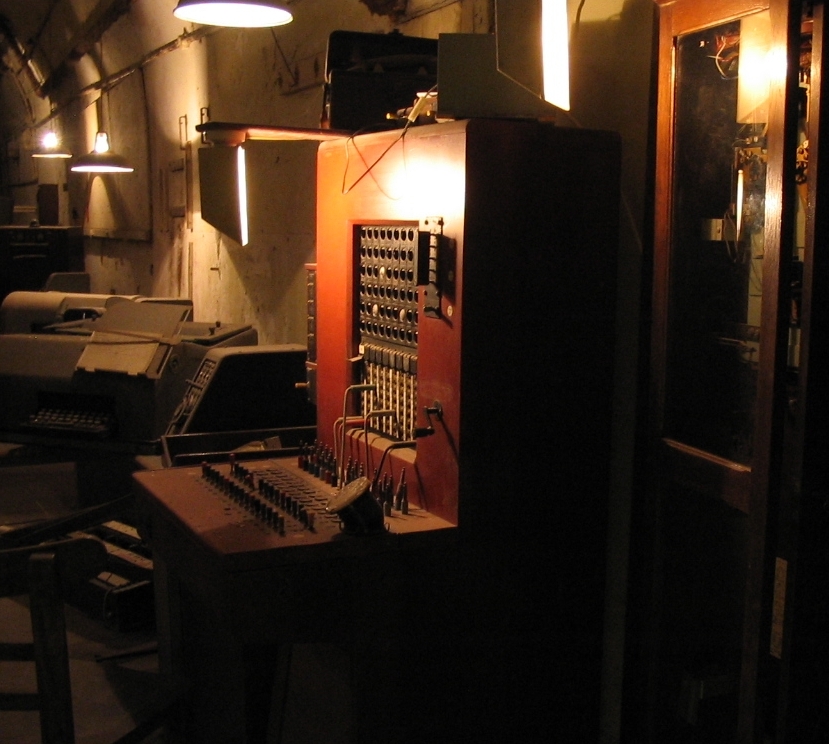
In the aftermath of World War I, Italy faced an urgent need to modernize its fragmented and outdated telephone network. Recognizing this strategic imperative, FATME was founded in 1918 in Rome, primarily driven by investments and technical expertise from the Swedish telecommunications giant, Ericsson. This partnership allowed FATME to rapidly introduce state-of-the-art telephone exchanges, switchboards, and individual telephone sets to the Italian market. The company established its primary manufacturing facilities in the Appio-Tuscolano district of Rome, creating thousands of specialized jobs and fostering a new generation of Italian electrical engineers. FATME’s early production focused on manual switchboards and robust telephone instruments designed to withstand the rigors of a rapidly expanding urban network. By providing reliable and standardized equipment, FATME played a foundational role in connecting Italy’s major cities and facilitating the growth of national commerce and administration during a period of profound social transformation.
The Shift to Automatic Exchanges
As telephone usage grew exponentially during the 1920s, the limitations of manual switchboards became increasingly apparent. FATME was at the forefront of introducing automatic telephone exchange technology to Italy, working closely with the state-controlled telephone operator (SIP). The transition to automatic switching required highly complex electromechanical systems, and FATME’s factories were retooled to mass-produce precision relays, rotary selectors, and the intricate wiring harnesses necessary for these advanced exchanges. The successful deployment of these automatic systems in major urban centers dramatically improved call routing speed and network reliability. Throughout the interwar years, FATME continued to innovate, developing specialized communication equipment for the military and expanding its product line to include telegraphic apparatus and early radio components. The industrial legacy of FATME is inextricably linked to the democratization of communication in Italy, transforming the telephone from a luxury item into an essential public utility.
Interactive 360° Heritage View: Ex Stabilimento FATME
Historical Location: Via Appia Nuova, Roma, Italy (Coordinates: 41.8672, 12.5311)