
Formed in 1918 during the closing year of the First World War, Ansaldo-San Giorgio represented a pivotal moment in the consolidation of Italy's strategic heavy industry, merging advanced electromechanical engineering with massive shipbuilding capacity.
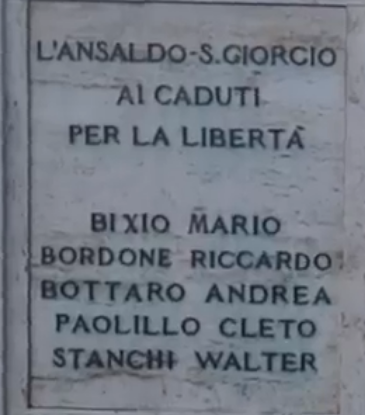
The Birth of a Naval Giant
In 1918, the renowned Ansaldo corporation, seeking to dominate the maritime and military production markets, orchestrated a strategic merger that led to the creation of Ansaldo-San Giorgio. This new entity absorbed the operations of the San Giorgio company and significantly expanded its reach into electromechanical equipment and large-scale shipbuilding. Headquartered around the industrious Muggiano and Sestri Ponente shipyards, the company became a powerhouse capable of producing everything from advanced marine diesel engines to entire naval vessels. The merger was driven by the urgent need to maintain Italy’s military independence and prepare for the complex geopolitical realities of the post-war Mediterranean. By combining Ansaldo’s metallurgical might with San Giorgio’s precision engineering, the new firm positioned itself as a self-sufficient industrial colossus, capable of competing with established British and German shipbuilders on the global stage.
Interwar Expansion and Technological Innovation
During the 1920s and 1930s, Ansaldo-San Giorgio played a crucial role in modernizing both the Italian merchant marine and the Regia Marina (Royal Italian Navy). The shipyards at Sestri Ponente became synonymous with cutting-edge naval architecture, launching a series of celebrated ocean liners, heavy cruisers, and submarines. A key area of innovation for the company was the development of high-performance marine diesel engines and complex electrical systems, which were increasingly essential for the next generation of motorized vessels. The company’s engineering division continuously refined its propulsion technologies, resulting in engines that offered unprecedented power-to-weight ratios and fuel efficiency. Furthermore, Ansaldo-San Giorgio expanded its civilian operations, manufacturing heavy machinery, hydroelectric turbines, and railway equipment, thereby becoming a cornerstone of Italy’s broader infrastructure development during the interwar period. The legacy of Ansaldo-San Giorgio remains a testament to the ambitious scale and technological prowess of Italian industry in the early 20th century.
Interactive 360° Heritage View: Cantieri Navali Sestri Ponente
Historical Location: Via Giacomo Puccini, 16154 Genova GE, Italy (Coordinates: 44.4233, 8.8475)