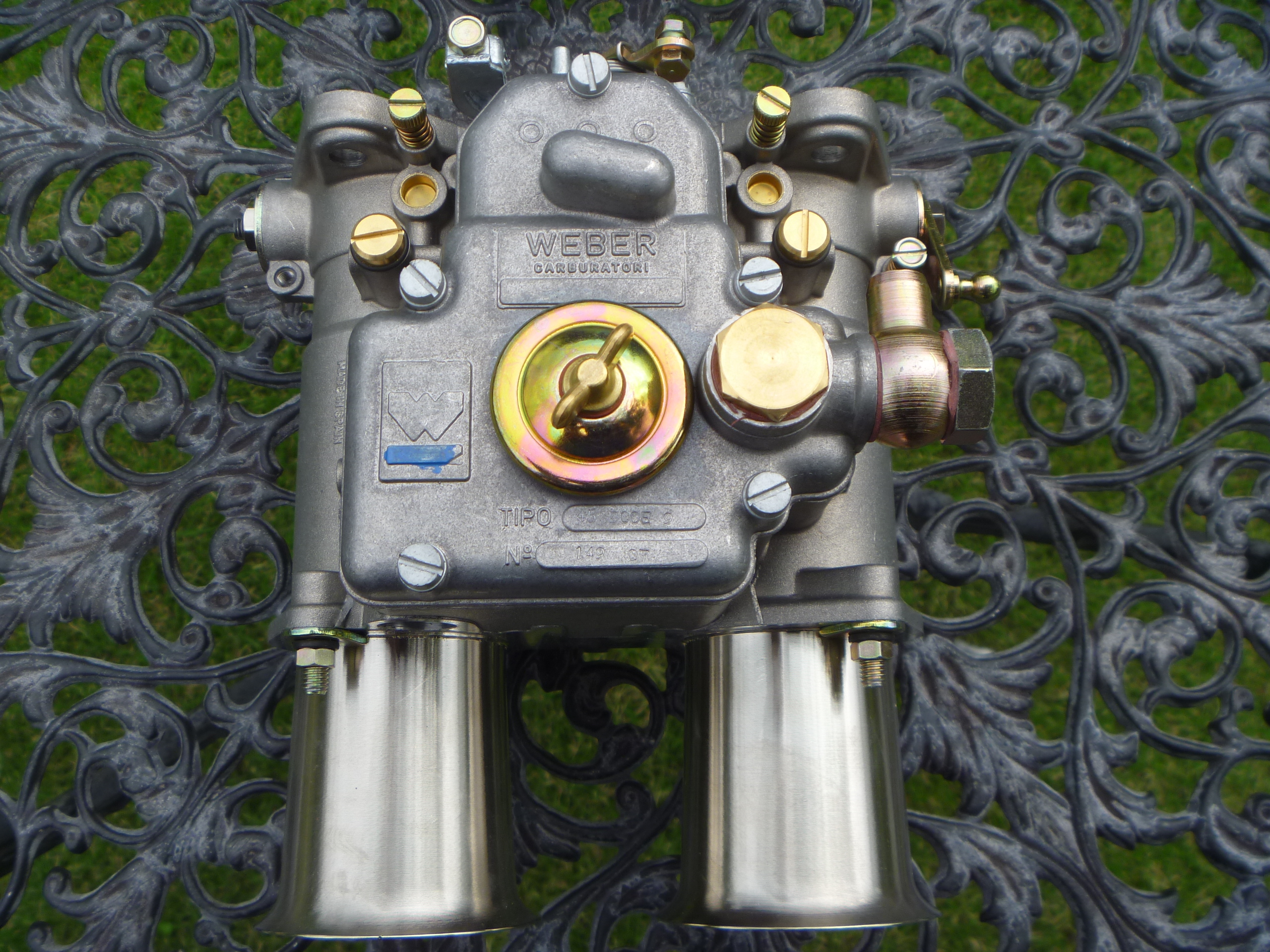
In 1923, within the emerging mechanical vanguard of Bologna, mechanical genius Edoardo Weber founded his eponymous workshop. Designed to eliminate the fuel inefficiencies of early internal combustion engines, Weber’s precision twin-choke carburetors transformed sports car engineering, powering generations of Alfa Romeo, Maserati, and Ferrari racing legends and turning Bologna into the pulsing heart of the Motor Valley.
From Fuel Shortage to Precision Engineering
In the aftermath of the First World War, Italian automotive mobility was crippled by punitive fuel tariffs and the scarcity of high-grade petroleum. In 1923, mechanical engineer Edoardo Weber (1889–1945), a former technician at Fiat in Turin, recognized that the fundamental limitation of contemporary automobiles lay in poor fuel-air atomization. Opening a modest workshop near the medieval core of Bologna, Weber devised an ingenious auxiliary carburetor converter for Fiat 501 touring cars, allowing engines to run smoothly on lower-grade fuels and kerosene blends.
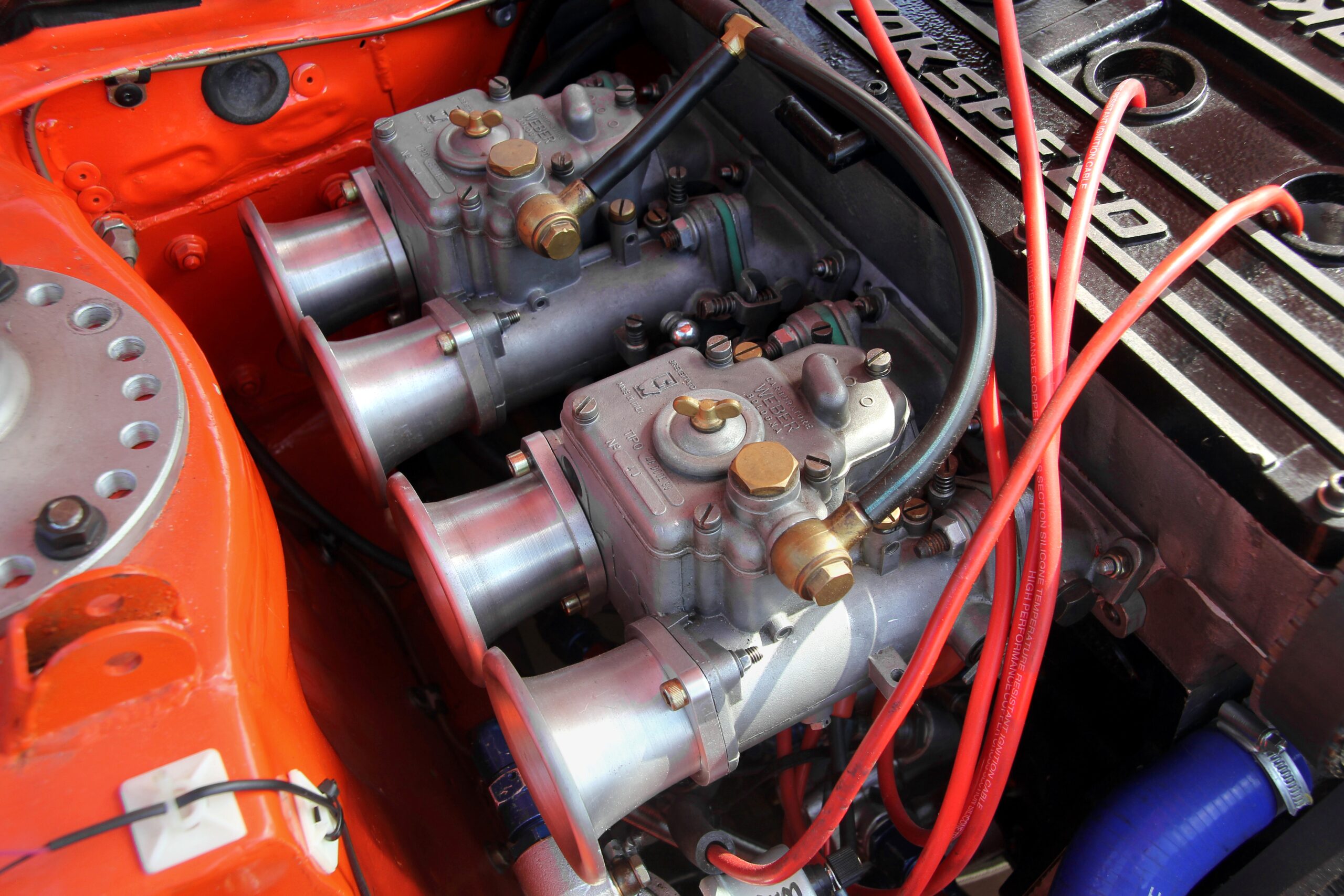
Weber’s breakthrough was not merely economic; it was mechanical art. By introducing dual-throat, progressive butterfly valves and precision brass emulsion tubes, he achieved instant throttle response and uniform cylinder mixture. When race car builders noticed that Weber-equipped engines delivered unmatched acceleration on Apennine hillclimbs, Maserati and Alfa Romeo adopted Weber units for their Grand Prix machinery, establishing Bologna as a global capital of high-performance induction systems.
The Motor Valley Sanctuary: From Mascarella to Global Prestige
By the late 1930s, Weber had outgrown its artisan premises, establishing a dedicated manufacturing plant along Via del Timavo. The tragic disappearance of Edoardo Weber at the close of World War II in 1945 did not halt the company’s trajectory; under the stewardship of Fiat and subsequently Magneti Marelli, the Weber carburetor became the gold standard for high-performance sports cars, from the iconic Ferrari 250 GTO to the roaring Ford GT40 at Le Mans.
Today, the historical manufacturing premises in Bologna stand as landmarks of Emilia-Romagna’s industrial archaeology. Collectors, automotive historians, and engineers still revere original sand-cast Bologna Weber carburetors as mechanical sculptures, preserved in private collections and the Museo del Patrimonio Industriale di Bologna.
Gran Premi, circuiti e la meccanica da corsa in Emilia negli anni Venti e Trenta
Immagini d'archivio storico dell'Istituto Luce che testimoniano l'audacia dei piloti, i box di collaudo e l'ingegneria meccanica dei motori da corsa in Emilia. (Fonte: Archivio Storico Istituto Luce Cinecittà)
Interactive 360° Heritage View: Historic Weber Carburetors Manufacturing Area
Historical Location: Via del Timavo 33, 40133 Bologna BO, Italy (Coordinates: 44.4988, 11.3195)
Historical Archive Gallery