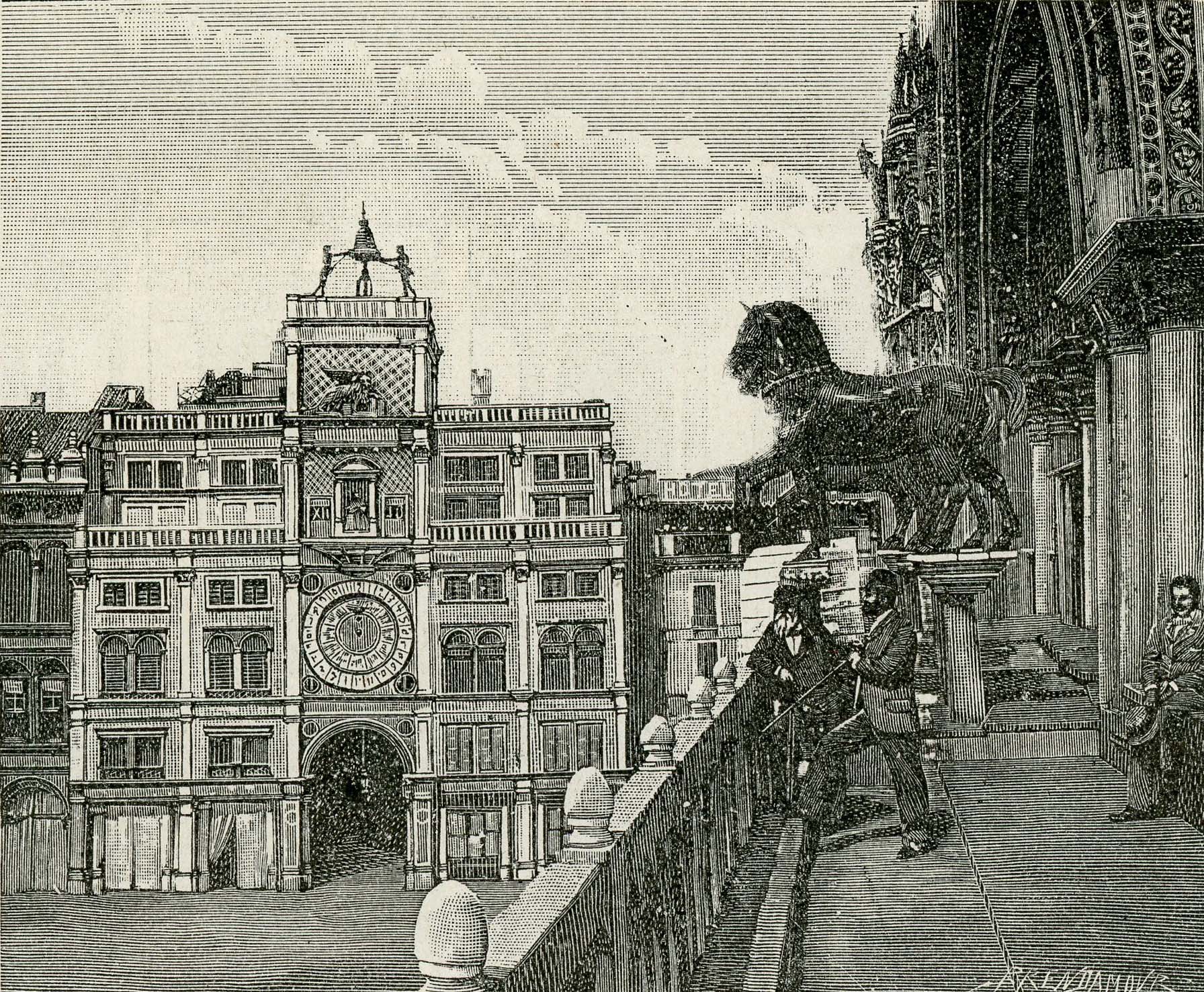
In 1930, inside a small, sunlit workshop nestled among the bustling pedestrian alleys of the Mercerie near Piazza San Marco in Venice, master leather craftsman Giulio Morellato opened an artisanal atelier. At a time when pocket watches were rapidly yielding to the modern wristwatch, Morellato recognized an overlooked artistic frontier: turning the utilitarian leather strap into an exquisite jewel of Italian saddlery, hand-stitching, and precious metallurgy.
The Transition from Pocket to Wrist: Venetian Saddlery Mastery
Following the First World War, the wristwatch ceased to be an exotic novelty and became an indispensable tool for active modern life. Yet the watchmaking industry—predominantly concentrated in Switzerland—treated the bracelet as an afterthought, relying on rigid metal chains or unyielding crude pigskin bands. Giulio Morellato applied centuries of Venetian leather-tanning, cordwaining, and gilding heritage to the craft. Sourcing fine calfskins, supple morocco leathers, and exotic reptiles, he pared leather edges by hand (*scarnitura*), applied vegetable dyes, and hand-stitched reinforcements with beeswaxed linen thread.
His straps were celebrated by elite jewelers in Venice and Milan for their glove-like flexibility, breathability, and seamless integration with precious gold and steel watch cases. By the late 1930s, Morellato’s workshop supplied the finest Swiss horological houses with bespoke leather straps.
From the Venetian Lagoon to Global Jewelry Leadership
In the postwar decades, under the guidance of the Carraro family who acquired the enterprise and preserved its artisanal ethos, Morellato expanded into high-end stainless steel jewelry, creating the “jewelry for living” (*gioielli da vivere*) concept that democratized luxury design.
Today, while logistics and advanced manufacturing center in the nearby Venetian mainland around Santa Maria di Sala, Morellato remains profoundly attached to its birthplace. The memory of Giulio Morellato’s 1930 atelier beneath the bells of the St. Mark’s Clocktower endures as a luminous testament to Venetian craftsmanship—where even the smallest strip of leather can be sculpted into an immortal work of art.
L'artigianato del cuoio, l'oreficeria e le botteghe a Venezia negli anni Trenta
Cinegiornale dell'Archivio Luce che riprende i maestri pellettieri, gli orafi e le raffinate botteghe artigiane sotto i portici di Piazza San Marco a Venezia. (Fonte: Archivio Storico Istituto Luce Cinecittà)
Interactive 360° Heritage View: Historic Venetian Workshop Area — San Marco / Mercerie
Historical Location: Piazza San Marco / Mercerie, 30124 Venezia VE, Italy (Coordinates: 45.43852, 12.33651)