In 1926, recognizing that civil aviation would become the supreme medium of international diplomacy and commerce, Senator Giovanni Agnelli and the Fiat Group incorporated Avio Linee Italiane (ALI) in Milan. Centered at the historic Taliedo airfield and the adjacent Idroscalo seaplane basin, ALI inaugurated regular passenger and mail connections that conquered the formidable barrier of the Alps, linking northern Italy to Munich, Zurich, Paris, and Frankfurt.
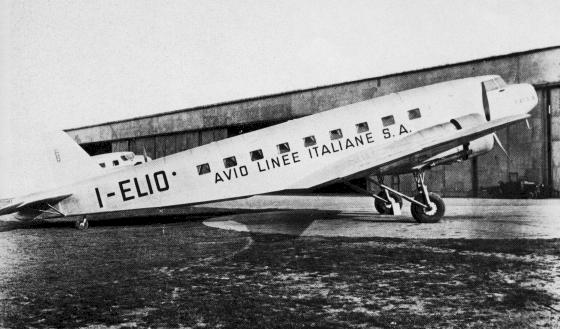
Conquering the Alpine Skies with Fiat Metal Monoplanes
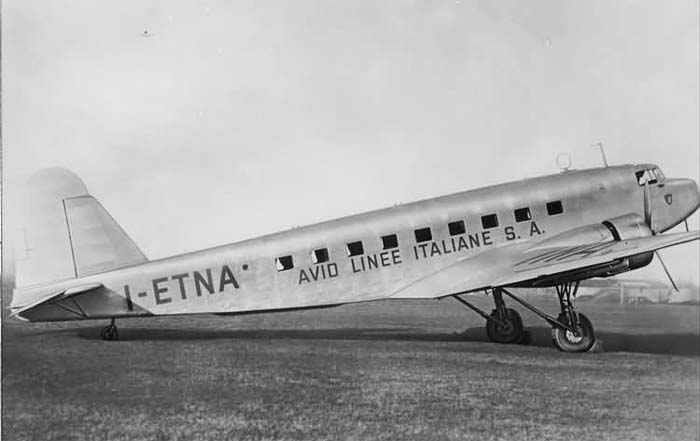
While early commercial air transport relied heavily on wooden biplanes and fragile maritime flying boats, ALI demanded aircraft capable of defying treacherous Alpine turbulence, icing conditions, and high-altitude mountain passes. Backed by Fiat’s cutting-edge aeronautical division (*Fiat Aviazione*), designer Celestino Rosatelli created an extraordinary series of all-metal transports, culminating in the 1935 *Fiat G.18*—an elegant twin-engine airliner carrying eighteen passengers in soundproofed comfort at speeds exceeding 400 km/h.
ALI’s flight captains were heroic navigators who charted blind-flying instrument techniques through cloud-choked Alpine valleys without modern radar, earning the airline an enviable international reputation for punctuality and navigational safety.
Aeronautical Memory and the Spirit of Taliedo
Following the devastation of the Second World War, ALI briefly resumed services before merging in 1949 into the national airline that consolidated Italian air transport. Yet the physical ground from which ALI’s planes took wing—the Taliedo aerodrome along Via Mecenate and the monumental concrete hangar structures of the Idroscalo—remain foundational monuments of Milan’s modern aviation heritage.
Today, the Historical Aeronautical Collections of the Museo Nazionale della Scienza e della Tecnologia “Leonardo da Vinci” preserve original instrumentation, logbooks, and scale models of ALI’s silver airliners, commemorating the bold aviators who opened Italy’s airways in 1926.
Alle Italiane nel mondo: le rotte aeree civili
Original historical newsreel from Archivio Storico Istituto Luce Cinecittà showcasing interwar Italian commercial aviation, trimotor passenger airliners, and Alpine routes pioneered by Avio Linee Italiane. (Fonte: Archivio Storico Istituto Luce Cinecittà)
Interactive 360° Heritage View: Historic Taliedo Aerodrome & Idroscalo Area
Historical Location: Via Mecenate / Idroscalo di Milano, 20138 Milano MI, Italy (Coordinates: 45.45944, 9.25541)
Historical Archive Gallery