In 1929, inside a small laboratory on Via Paleocapa near the Sforza Castle, twenty-seven-year-old Federico Motta established the *Cliché Motta*, a specialized photozincographic and typographic workshop. Navigating the economic tremors of the 1929 global crash with sheer technical virtuosity, Motta elevated color reproduction and photogravure into high art, laying the groundwork for a publishing house that brought the great encyclopedic tradition into millions of Italian living rooms.
From Zinc Plates to High-Speed Rotogravure
Federico Motta (1902–1972) was above all a master technician of image reproduction. In 1929, the printed word was undergoing a visual transformation: magazines, technical manuals, and art monographs demanded razor-sharp photographic plates (*cliché*) rather than clumsy woodcuts. Motta mastered nitric acid etching on zinc and copper, achieving tonal nuances and color separation that quickly attracted Milan’s most prestigious editors and advertising agencies.
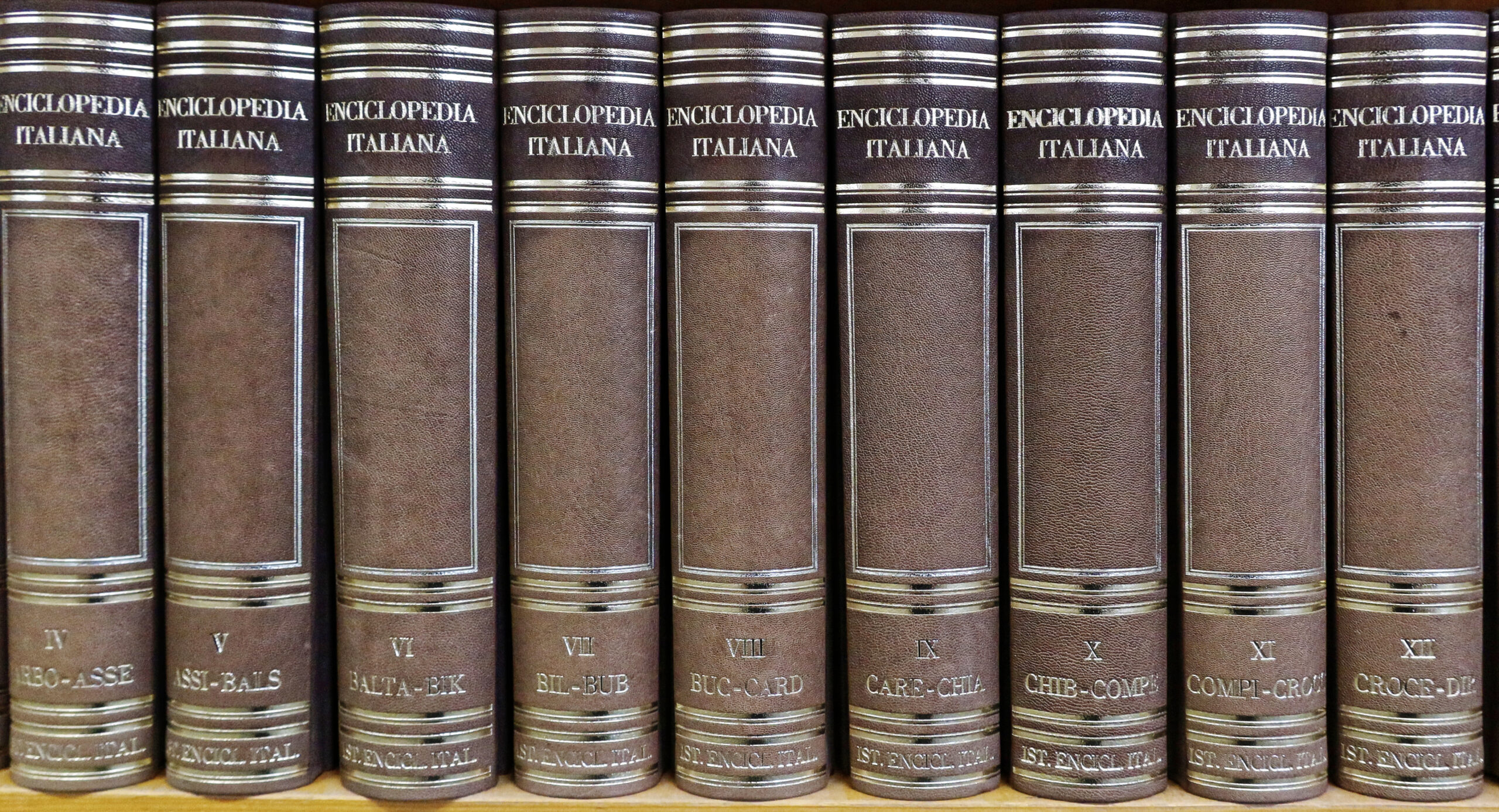
His technical perfectionism laid the foundation for post-war cultural democratization. Motta conceived the revolutionary idea of the household encyclopedia sold in weekly instalments (*dispense*) through neighborhood newsstands. In 1952, he launched the legendary *Enciclopedia Motta*—a lavishly illustrated, accessible multi-volume library that educated multiple generations of postwar Italians eager for cultural advancement.
A Typographic Legacy in the Milanese Publishing Capital
Federico Motta Editore became a cornerstone of Milan’s identity as Italy’s undisputed publishing capital. Expanding from its early central ateliers to massive typographic and binding plants in Sesto San Giovanni and later Milan’s northern tech corridor, the house never severed its connection to graphic perfection.
Today, the Motta Historical Archive preserves thousands of original zincographic plates, rare artist proofs, and first-edition bindings. In a world shifting inexorably to ephemeral digital screens, the physical weight and tactile ink-and-paper mastery born in Motta’s 1929 workshop remind us of the enduring nobility of print culture.
L'arte tipografica, la stampa e le fiere del libro a Milano negli anni Trenta
Cinegiornale dell'Archivio Luce che illustra l'eccellenza delle tipografie milanesi, i rulli compositori e l'entusiasmo per le grandi esposizioni librarie e grafiche. (Fonte: Archivio Storico Istituto Luce Cinecittà)
Interactive 360° Heritage View: Historic Graphic Arts District — Brera / Motta Editore
Historical Location: Via Brera 28, 20121 Milano MI, Italy (Coordinates: 45.47148, 9.18827)
Historical Archive Gallery
Sources
- S1 — Motta, Federico. Settant'anni di editoria e grafica a Milano. Motta Editore, 1999. ISBN 978-88-7179-192-0.
- S2 — Decleva, Enrico. Milano e l'editoria italiana nel Novecento. FrancoAngeli, 2001. ISBN 978-88-464-3210-0.
Spotted an error? Write to editorial@culturalheritageonline.com and we correct it the same day.