Formed in Turin in 1930 through the merger of historic Piedmontese woollen mills, GFT invented standardized sizing and industrialized tailoring through the Facis label, later tailoring the global rise of Italian prêt-à-porter.
In 1930, the global Great Depression struck Italy’s textile heartland with devastating force. For generations, the Biella and Turin valleys had produced magnificent woollen cloths, but the business model was archaic: mills sold cloth bolts to bespoke neighbourhood tailors (*sarti*), who took weeks to hand-sew a single suit with multiple fittings. An honest wool suit cost more than a working man’s monthly wage, while ready-made garments were despised as shapeless, ill-fitting sacks (*abiti a sacco*).
That year, two young entrepreneur brothers from a distinguished Biella textile dynasty—Silvio Rivetti (1900–1961) and Pier Giorgio Rivetti (1904–1968)—conceived a radical industrial merger. Consolidating the family wool mills with the clothing workshops of Donato Levi on Corso Emilia in northern Turin, they founded the Gruppo Finanziario Tessile (GFT). Their goal was audacious: to apply Fordist mass-production discipline to the art of Neapolitan and Savile Row tailoring.
The invention of anthropometric sizing: The Facis miracle
To make a factory suit fit like a bespoke garment, the Rivetti brothers knew they had to abandon generic small, medium, and large labels. In an extraordinary empirical exercise, GFT measured the chest circumferences, shoulder drops, arm spans, and waist ratios of over twenty-five thousand Italian men. From this mountain of anatomical data, they invented twenty-five distinct anthropometric drop sizes, accounting for differences between athletic youths, stocky northern farmers, and lean southern professionals.
Marketed under the brand Facis (Fabbrica Confezioni Industriali Serie), the GFT suit was an instant consumer revolution. For the first time in Italian history, a railway clerk or bank teller could walk into a store on a Friday morning, choose a suit cut from fine Biella wool, and walk out wearing a garment with correct collar roll and drape for a fraction of bespoke cost. By the late 1930s, GFT was dressing millions of Italians.
The kingmaker of Milanese ready-to-wear
In the 1970s and 1980s, under the leadership of Marco Rivetti (1943–1996), GFT staged an even greater revolution: the invention of luxury *prêt-à-porter*. Rivetti recognized that emerging avant-garde Milanese fashion designers had brilliant sketches but lacked industrial manufacturing power.
GFT formed exclusive production alliances with young designers, most notably Giorgio Armani and Emanuel Ungaro. GFT engineered the unstructured, deconstructed jacket that catapulted Armani onto the cover of *Time* magazine and into Hollywood royalty, producing millions of luxury garments in its Turin factories. At its zenith, GFT was the largest high-end apparel manufacturer in the western world, generating over a billion dollars in annual turnover.
The industrial twilight and the urban memory
The mid-1990s brought tragic disruption. The untimely death of Marco Rivetti in 1996, coupled with soaring international debt, the termination of licensing agreements, and the migration of garment assembly to low-cost Asian markets, forced GFT into liquidation in the early 2000s.
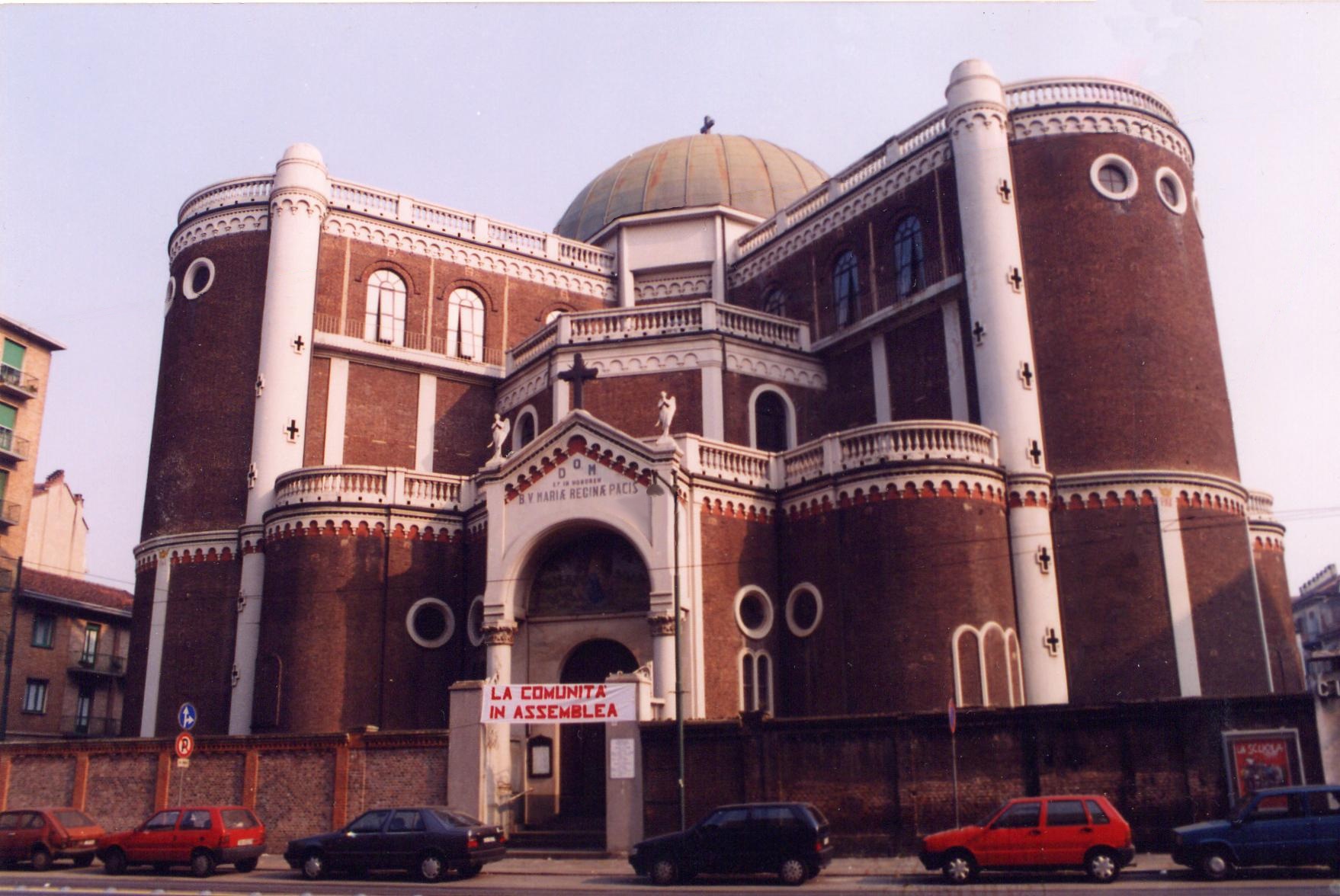
Yet GFT’s legacy is permanently woven into the history of Italian style. The colossal brick industrial citadel on Corso Emilia in Turin has been preserved as a monument of industrial archaeology, partially redeveloped into creative studios and research centres. In the collective history of fashion, GFT is remembered as the industrial machine that proved elegance did not belong solely to the rich, democratizing tailoring before conquering the catwalks of the world.
Historic Views & Archives
From the Archives: Historical Newsreels
L’industria al servizio della moda e della confezione maschile a Torino
Historic newsreel documenting the industrialization of garment cutting and sewing: automated cloth layering, precision scissor cutting, and assembly lines of seamstresses stitching suits.
Visiting the Site: Street View & Modern Geography
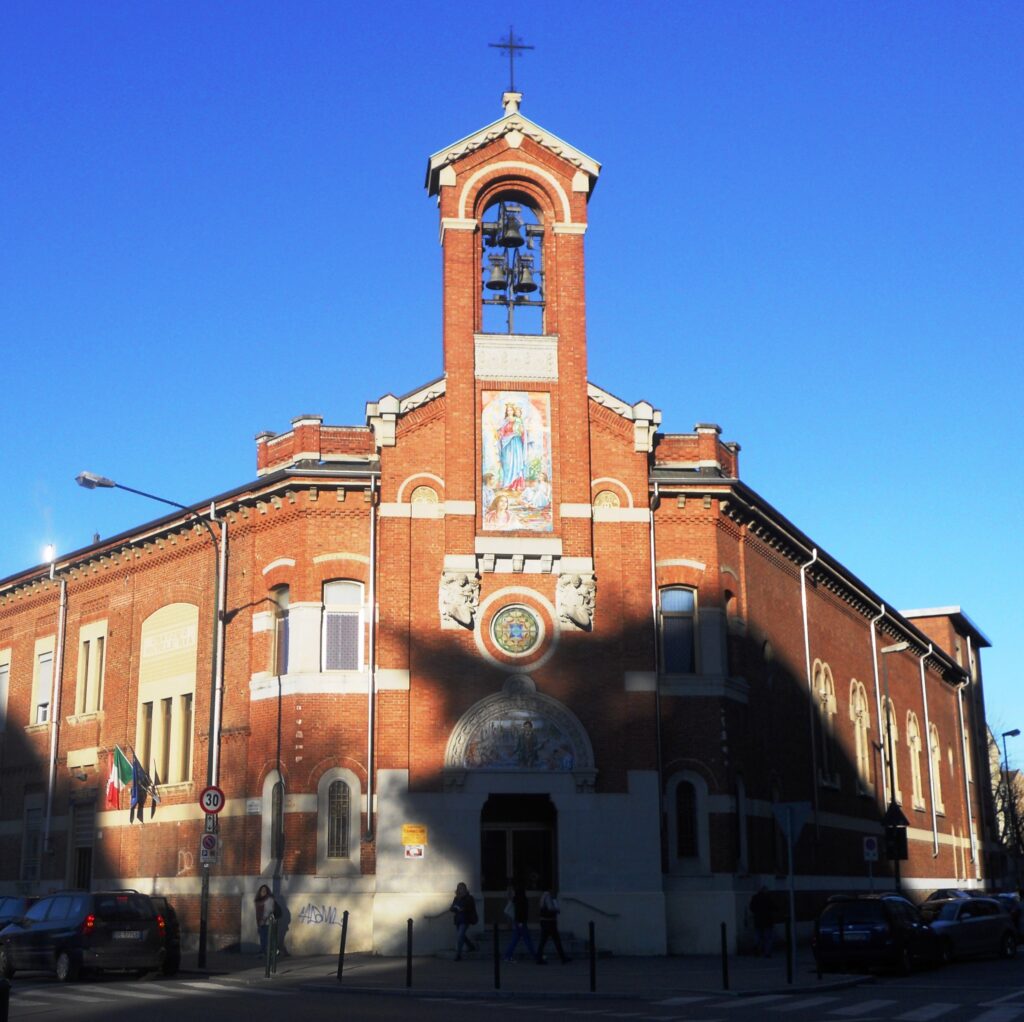
Corso Emilia 6 in northern Turin stands at the core of the historic Barriera di Milano industrial precinct. The imposing multi-storey brick textile complex housed the cutting rooms, assembly halls, and design studios of Gruppo Finanziario Tessile.
Historic Address: Corso Emilia 6 & Corso Giulio Cesare, 10152 Torino, Italy
Sources
- Archivio Storico della Camera di Commercio di Torino, Registro Società: Gruppo Finanziario Tessile (1930)
- Dizionario Biografico degli Italiani (Treccani), entries on Silvio Rivetti and Marco Rivetti
- Valerio Castronovo, Torino industriale: Storia economica della città nel Novecento, Turin, Einaudi, 1999
- Fondazione Marco Rivetti, GFT: La grande fabbrica della moda italiana (1930–1996), Turin, 2011