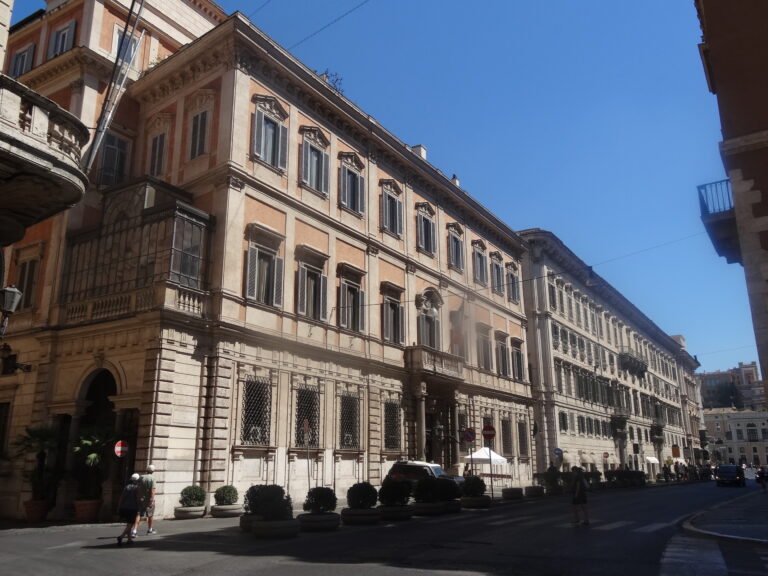
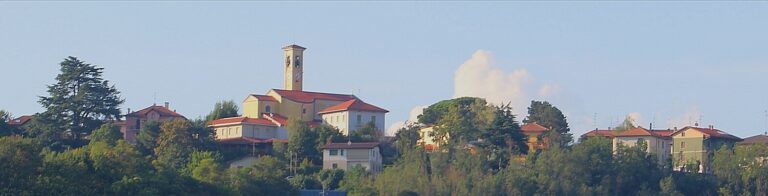
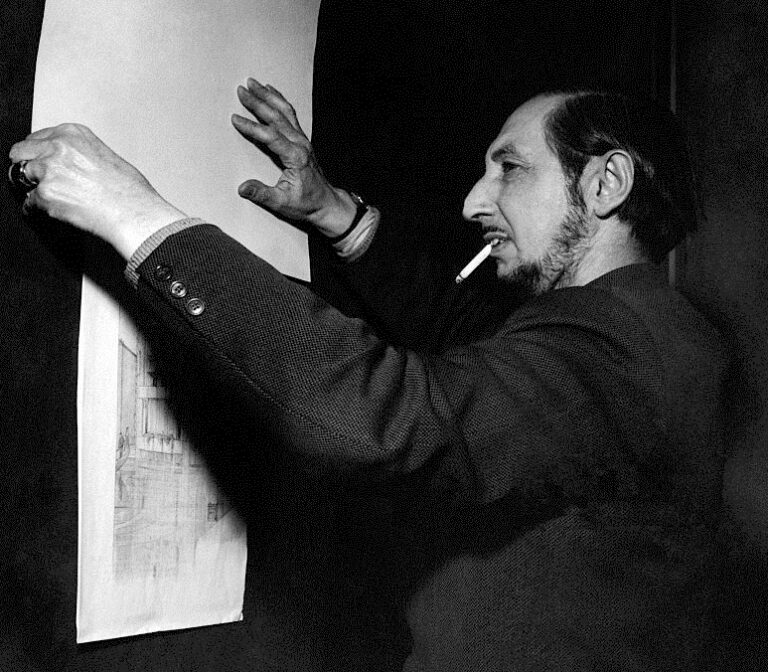
On 24 April 1924, Pietro Loro Piana registered his new wool mill in Quarona, harnessing the mineral-pure mountain torrents of the Valsesia to spin cashmere and superfine wool into timeless luxury.
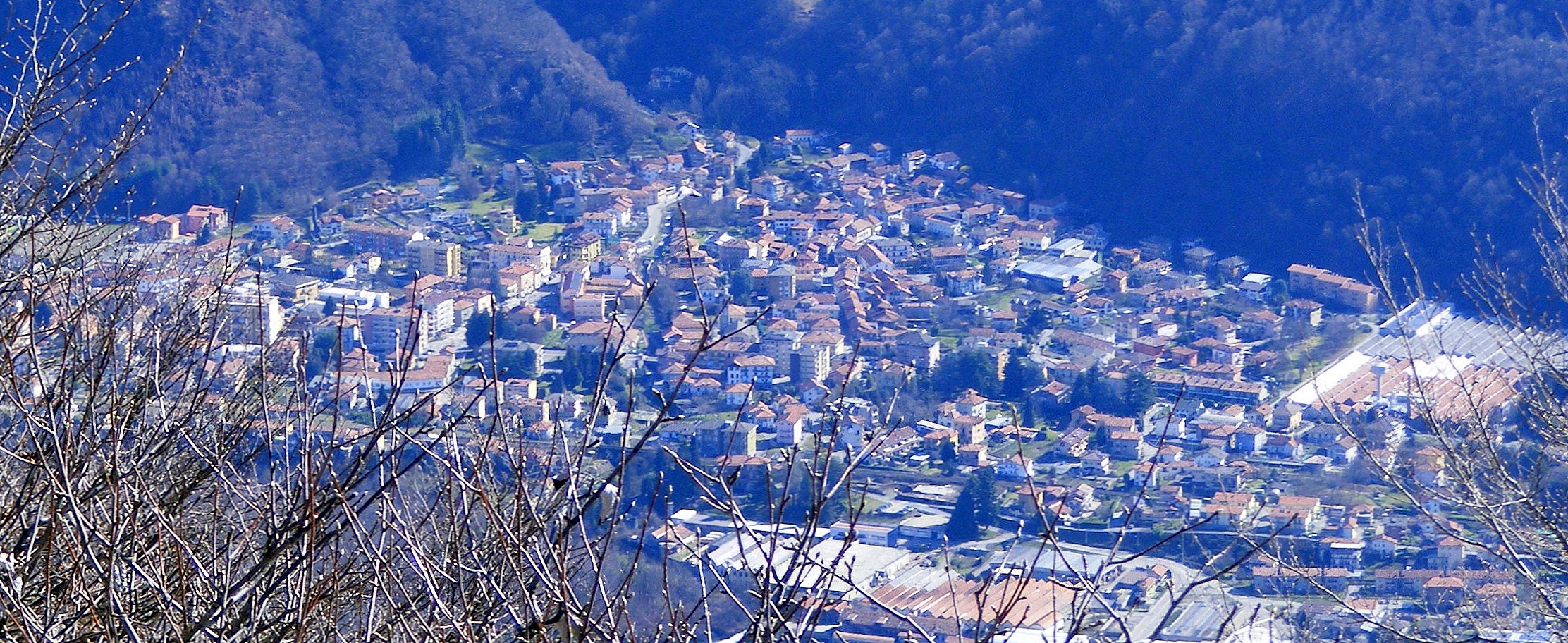
To understand why the world’s finest woollen fabrics come from the rugged Valsesia valley in northern Piedmont, one must look not to fashion salons, but to mountain geology. The Sesia river, tumbling down from the colossal glaciers of Monte Rosa, flows over granite and gneiss bedrock entirely free of calcium and lime. The resulting water is extraordinarily soft, pure, and neutral—the perfect natural reagent for scouring grease from raw fleece without hardening delicate wool fibres or damaging natural lanolin.
For centuries, the Loro Piana family of Trivero had operated as merchants of wool and spun yarns. On 24 April 1924, Pietro Loro Piana broke away from the family firm to establish his own independent manufacturing enterprise: Lanificio Fratelli Loro Piana e C. in Quarona, a village wedged between the riverbanks and steep chestnut forests of lower Valsesia.
The uncompromising pursuit of microscopic fibres
Pietro Loro Piana possessed a puritanical commitment to quality: while other Italian mills turned out mixed autarkic fabrics, Loro Piana specialized strictly in high-count, extra-fine virgin wools. Following the devastation of the Second World War, his nephew Franco Loro Piana took executive direction in 1941. Franco expanded into international markets, exporting luxury suiting fabrics to haute couture houses in Paris, London, and New York.
In the 1970s, the company was taken over by Franco’s sons, Sergio (1948–2013) and Pier Luigi Loro Piana (born 1951). The brothers undertook global expeditions to the most inhospitable corners of the earth: the high Tibetan plateau and Mongolia to secure cashmere from Capra hircus goats, the arid scrublands of the Andes to rescue the endangered wild vicuña through community conservation programmes, and the remote pastures of New Zealand for Merino wool measuring less than twelve microns in diameter.
From fabric mill to global luxury temple
For decades, Loro Piana remained a hidden “fabric maker to the tailors,” stamping its discreet selvage on cloth used by Savile Row cutters and Roman bespoke tailors. Only in the late 1980s did the firm launch its own finished clothing collection: understated cashmere sweaters, storm-system rain jackets, and travel outerwear celebrated for what international critics termed “stealth wealth”—luxury recognized by touch and material perfection rather than prominent logos.
In 2013, the French luxury conglomerate LVMH acquired a majority stake in the company, yet insisted that manufacturing and textile research remain anchored permanently in the Valsesia valleys.
What remains today
Quarona and the surrounding towns of Borgosesia and Roccapietra remain the beating heart of Loro Piana’s manufacturing kingdom. The mills along Corso Rolandi still wash and spin raw fibres using the glacier-fed waters of the Sesia. The Archivio Storico Loro Piana in Quarona conserves thousands of historic fabric swatches, technical weaving drafts, and expedition diaries, demonstrating how an alpine river valley became the global yardstick of tactile luxury.
Historic Views & Archives
From the Archives: Historical Newsreels
Tra un mese sarà stoffa: la lavorazione della lana nei lanifici piemontesi
Fascinating archival documentary detailing the processing of raw fleeces in northern Italy: sorting, washing in pure river runoff, mechanical carding, combing, and precision loom weaving.
Visiting the Site: Street View & Modern Geography
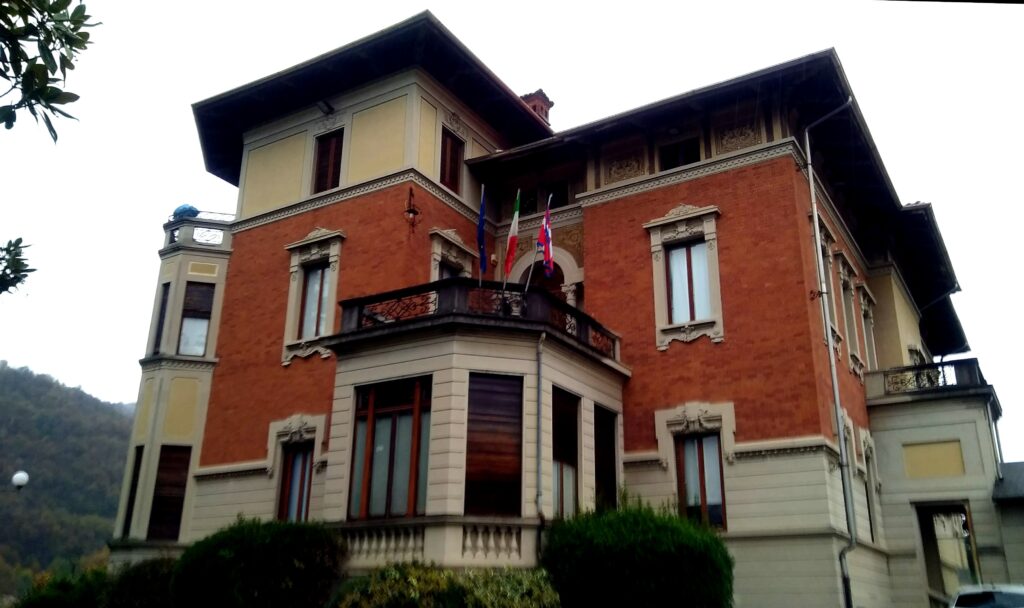
Corso Rolandi in Quarona runs along the valley floor of the Sesia river. Here, Loro Piana’s historic stone spinning and weaving mills utilize the crystal-clear alpine waters flowing down from Monte Rosa to wash and treat the world’s most precious animal fibres.
Historic Address: Corso Rolandi 10, 13017 Quarona (VC), Italy
Sources
- Camera di Commercio di Vercelli, Registro Storico delle Imprese Laniere della Valsesia (1920–1940)
- Dizionario Biografico degli Italiani (Treccani), entry on Pietro Loro Piana
- Valerio Castronovo, L’industria laniera in Piemonte nel Novecento, Turin, Einaudi, 1980
- Centro Rete Biellese per l’Archeologia Industriale, Fondo Documentario Loro Piana di Quarona