In 1924, master goldsmith Enrico Grassi Damiani opened a diamond setting atelier in Valenza, transforming a quiet riverside town on the Po into Italy’s undisputed capital of high jewellery.
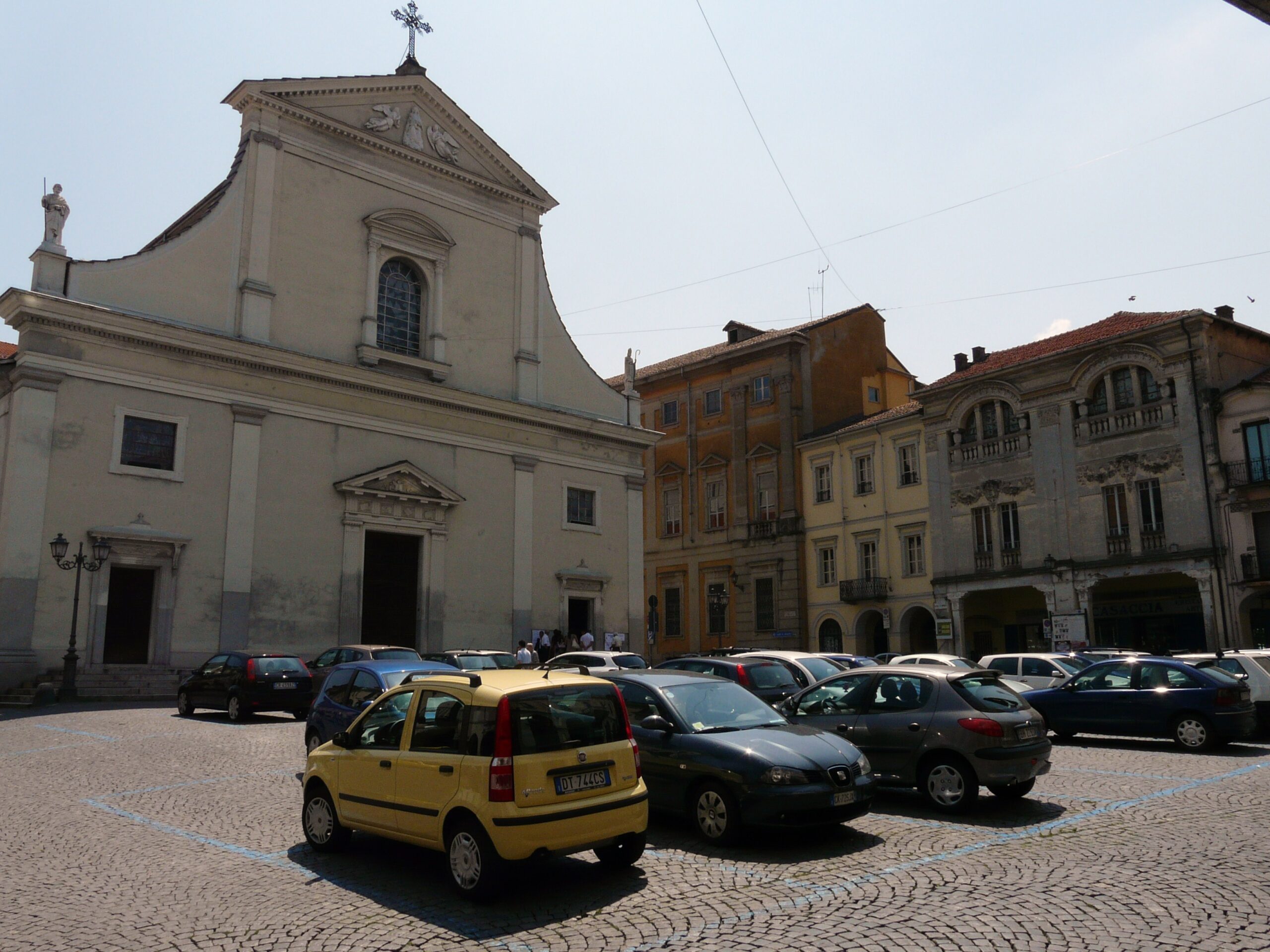
Valenza in 1924 presented an unassuming exterior: a small agricultural township perched upon a bluff overlooking the wide bends of the River Po in the province of Alessandria. Yet behind the heavy wooden carriage gates of its neoclassical palazzi, an invisible alchemy was underway. Since the late nineteenth century, pioneering master goldsmiths had begun training local apprentices in stone-setting, drawing upon the quiet concentration of a riverside town free from the political turbulence of industrial Turin and Milan.
In this secretive artisan milieu, twenty-eight-year-old Enrico Grassi Damiani (1896–1978) established his dedicated goldsmith and jewellery workshop in 1924. Trained from boyhood in the discipline of precision gem-mounting, Damiani possessed an exceptional gift for translating the elaborate, geometric aesthetics of Art Deco into platinum and gold lace. While ordinary jewellers bought pre-fabricated mounts, Damiani designed every setting from scratch, chiselling microscopic claws that allowed light to saturate diamonds from beneath.
The trusted jeweller of the aristocracy
Word of the young Valenza goldsmith’s virtuosity spread quickly through northern Italian noble and commercial dynasties. Families from Genoa, Milan, and Turin travelled secretly to Valenza to commission bespoke tiaras, cascade necklaces, and heirloom solitaires. Damiani was appointed jeweller to noble houses, creating ceremonial parures and personal gifts that remained guarded family secrets.
His defining technical breakthrough was the perfection of the *burin* engraving technique, giving precious metal the tactile texture of silk, damask, or ribbed grosgrain. Even through the economic restrictions of the 1930s and wartime gold quotas, the atelier maintained unbroken standards, preserving bench secrets and passing diamond-setting tools from father to son.
From benchcraft to global prestige
In the postwar decades, Enrico’s son Damiano Grassi Damiani (1934–1996) led a visionary expansion. He introduced modern industrial marketing while insisting that every jewel retain hand-hewn artisanal benchwork. Damiani became the only jeweller in the world to win eighteen Diamonds International Awards (the “Oscars” of world high jewellery), a record that stands unmatched in luxury history.
Today, managed by the third generation—Guido, Silvia, and Giorgio Damiani—the Maison remains one of the very few international luxury jewellery houses still firmly controlled and operated by the founding family.
What remains today
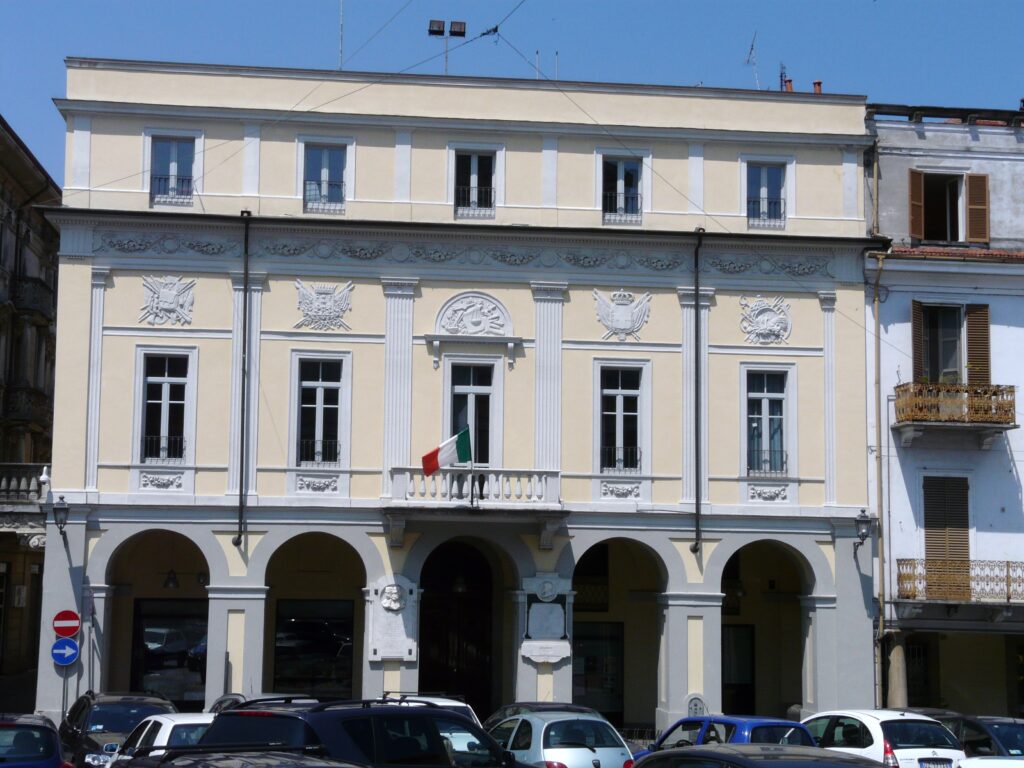
Valenza remains the undisputed diamond and high-jewellery capital of Italy, accounting for a massive share of the nation’s hand-crafted precious export trade. The historic town core around Piazza del Duomo, Corso Garibaldi, and Piazza XXXI Martiri preserves the brick courtyards where Damiani first set stones. At Palazzo Valentino, the municipal culture centre, exhibitions document the centennial legacy of the town’s goldsmith guilds. Damiani’s state-of-the-art manufacturing manufacture in Valenza continues to train apprentice gem-setters, demonstrating that twenty-first-century global luxury can remain anchored in the artisanal soil of a Piedmontese river town.
Historic Views & Archives
From the Archives: Historical Newsreels
Gli eredi di Benvenuto Cellini: l’arte dell’oro e dei maestri incastonatori in Italia
Rare archival footage celebrating the intricate handwork of Italian master goldsmiths: alloying pure gold, chiselling delicate bezels, and setting precious gemstones under optical loupes.
Visiting the Site: Street View & Modern Geography
Valenza sits on the low hills rising above the Po river plain. Along Corso Garibaldi and the historic alleys of the town center, secret courtyard ateliers have housed generations of diamond setters, master lapidaries, and engravers since the 1920s.
Historic Address: Corso Giuseppe Garibaldi & Piazza XXXI Martiri, 15048 Valenza (AL), Italy
Sources
- Archivio Storico della Camera di Commercio di Alessandria, Registro dei Marchi di Fabbrica per Metalli Preziosi (Valenza, 1920–1935)
- Treccani, Dizionario Biografico degli Italiani, entry on Enrico Grassi Damiani
- Lia Lenti, Gioielli a Valenza: L’arte orafa dal 1840 al 1940, Turin, Allemandi, 1994
- Associazione Orafa Valenzana (AOV), Cent’anni di maestria: Gli orafi di Valenza nel Novecento, Valenza, 2010