
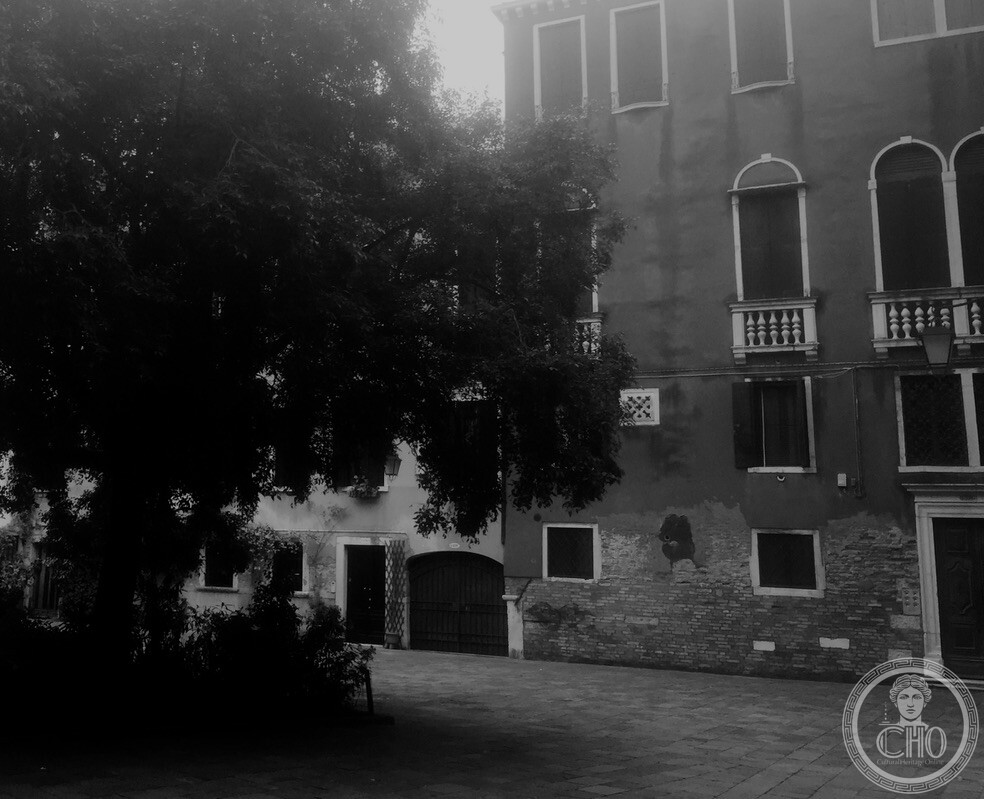
Hidden just paces away from the bustling thoroughfare of Calle Larga Giacinto Gallina and the church of Santa Maria dei Miracoli, Campiello de la Cason is an enchanting pocket of residential peace in Cannaregio. Graced by one of Venice’s rare, mature deciduous trees, this secluded square preserves the authentic domestic rhythm of Venetian daily life, surrounded by weathered brickwork, Gothic balconies, and exquisitely sculpted historic door knockers.
At a glance
- Type
- Secluded urban square (campiello residenziale)
- Period
- 15th–17th century domestic architecture
- Toponym
- Il Cason (dialect for “the big house”, referring to a 16th-century municipal watch-house)
- Location
- Campiello de la Cason, Cannaregio 6050–6055, 30121 Venice, Italy
- Coordinates
- 45.44053° N, 12.33754° E
Overview
In a maritime stone city where open soil and greenery are precious rarities, Campiello de la Cason feels like a secret garden nestled among dense brick tenements and patrician residences. Located in the eastern sector of Cannaregio near the border with Castello, the square is entered through narrow calli that shield it entirely from tourist crowds. A flourishing leafy tree spreads its canopy over the trachyte paving, creating shifting patterns of dappled sunlight and cool summer shade.
History & The Story of the Cason
In Venetian dialect, cason literally denotes a large house, but within the civic administration of the Serenissima Republic, the term specifically referred to regional lockups and guard-stations (casoni dei signori di notte or capi di sestiere). In the 16th and 17th centuries, magistrates stationed armed night-watchmen here to monitor the densely populated alleyways connecting the Rialto market with the northern waterfront of the Fondamente Nove.
As the Republic waned, the civic function gave way to peaceful residential life. The buildings surrounding the campiello evolved into characterful multi-generational Venetian homes, with classic water gates (porte d’acqua) giving onto nearby canals, arched Gothic windows with stone balustrades, and timber entry portals adorned with hand-cast bronze hardware.
What you see
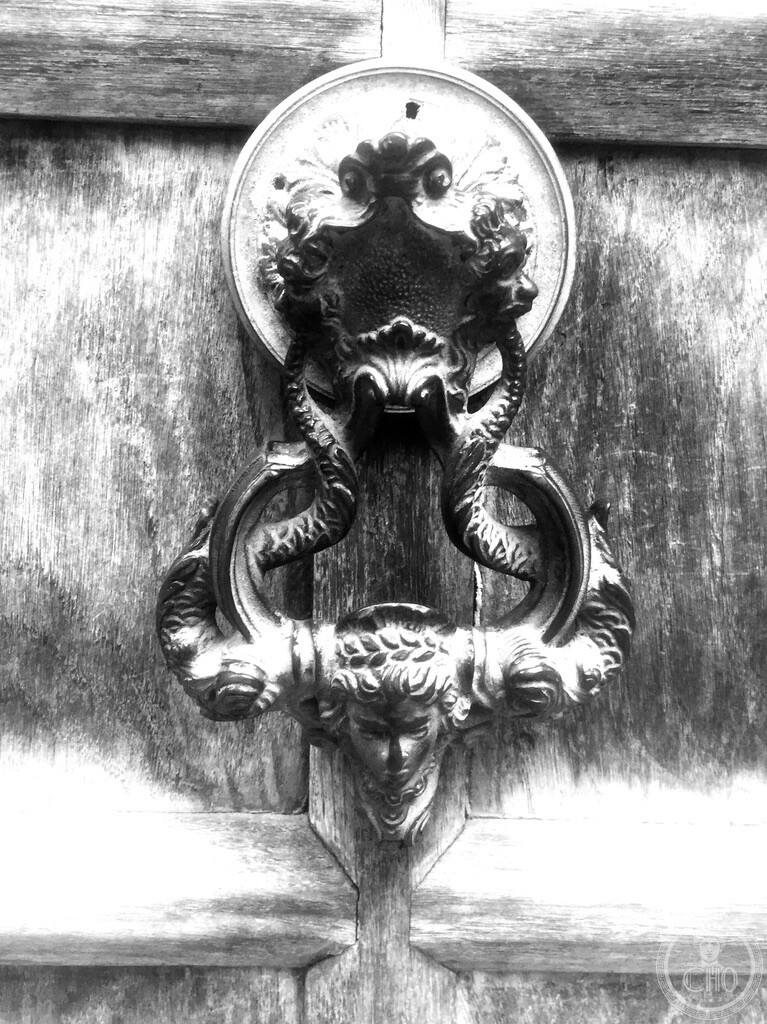
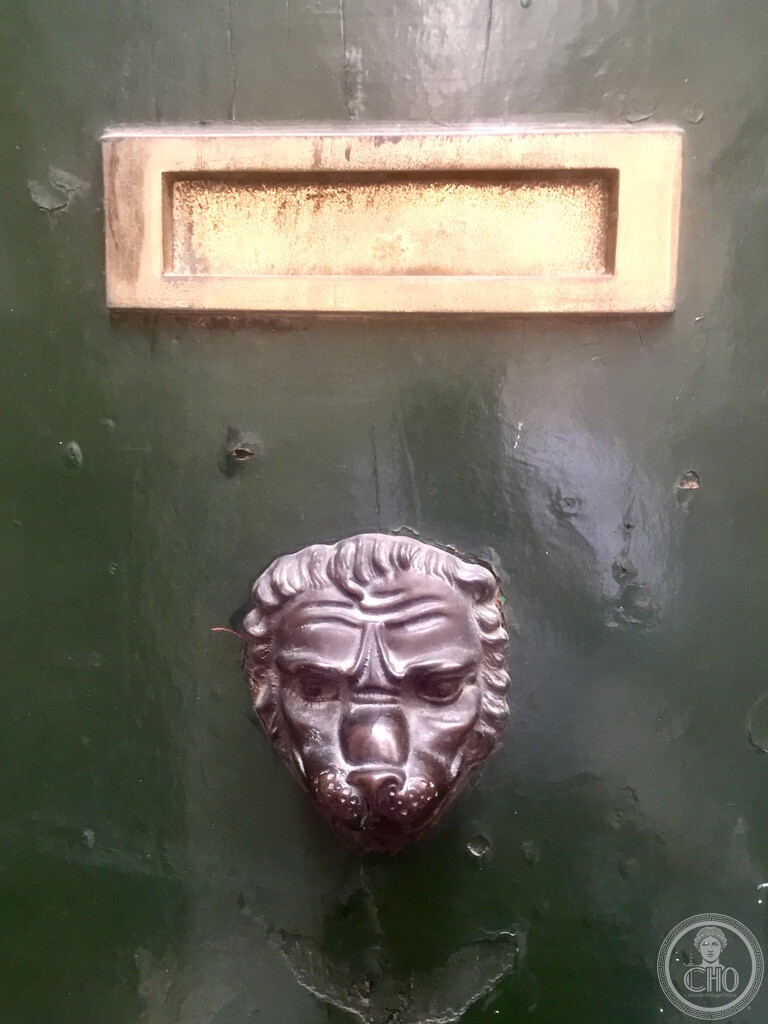
The southern wall of the square is dominated by a three-storey palazzo featuring exposed reddish brickwork on the ground floor and arched Gothic windows on the piano nobile. The timber entry portals display remarkable examples of traditional Venetian door furniture (battacchi), including a masterfully cast bronze knocker featuring twin leaping dolphins curling down to flank a laurel-crowned classical maiden, alongside a polished bronze lion-head knob that has welcomed generations of residents.
Practical information
- Access
- Freely accessible public residential square (visitors are encouraged to respect local residential quiet)
- Nearby canals
- Situated between Rio dei Miracoli and Rio de San Canciano
Nearby
- Campo Santi Giovanni e Paolo — 300 m east
- Palazzo Widmann Rezzonico Foscari — 150 m south
- Teatro Malibran — 250 m southwest
Getting there
Take vaporetto line 4.1, 4.2, 5.1, or 5.2 to Fondamente Nove, then walk south through Calle Larga Giacinto Gallina and branch right into Campiello de la Cason (approx. 4 minutes). From the Rialto Bridge, walk northeast past the Church of San Canciano (approx. 6 minutes).
Sources & resources
Photo gallery
Photographs contributed by a Cultural Heritage Online member.
Find it on the map
See this place and what’s around it →Record researched and written by Carla Szathvary for Cultural Heritage Online, 2026.
📷 Become a Cultural Heritage Online photographer
Share your photos of places: they stay published under your name as the author. The more they're seen, the more you get noticed — and soon a contest will reward the most appreciated photos.
Log in or sign up free to add a photoIs this page about you?
This page is read by travellers and heritage enthusiasts who find it on Google. Tell us how you are connected to this place and we will take it from there.