
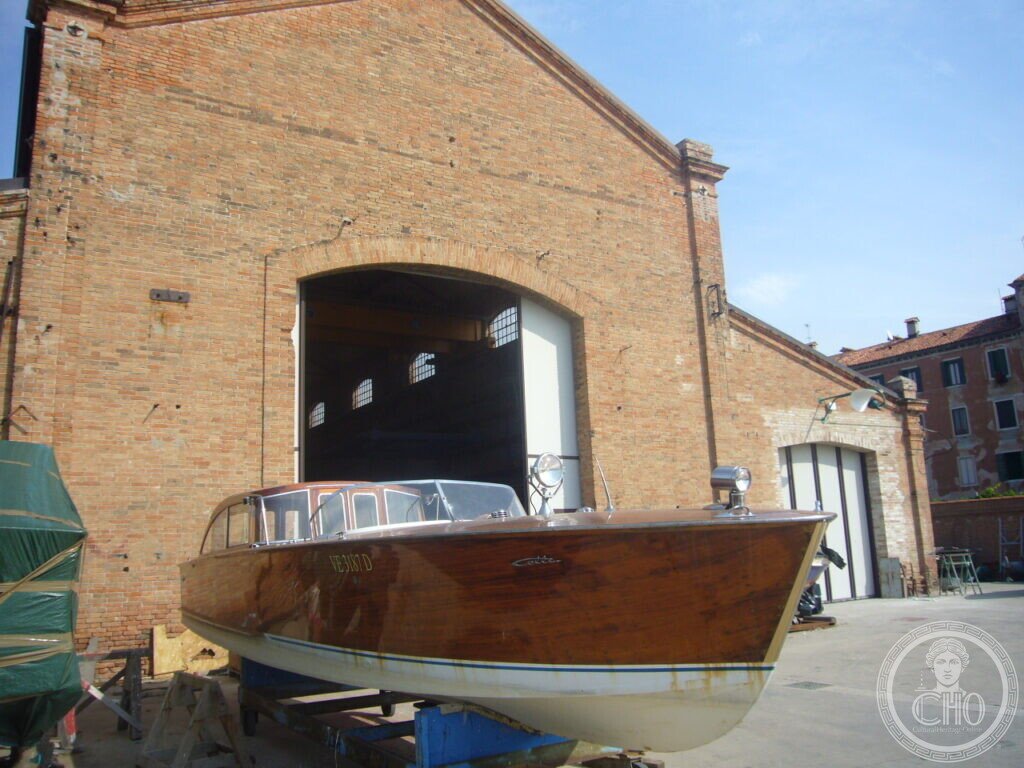
The boatyard of Venice’s “King of the Oar”, where gondolas are still designed, built and carved from raw timber — and where the city launched its newest ferry gondola in June 2026.
At a glance
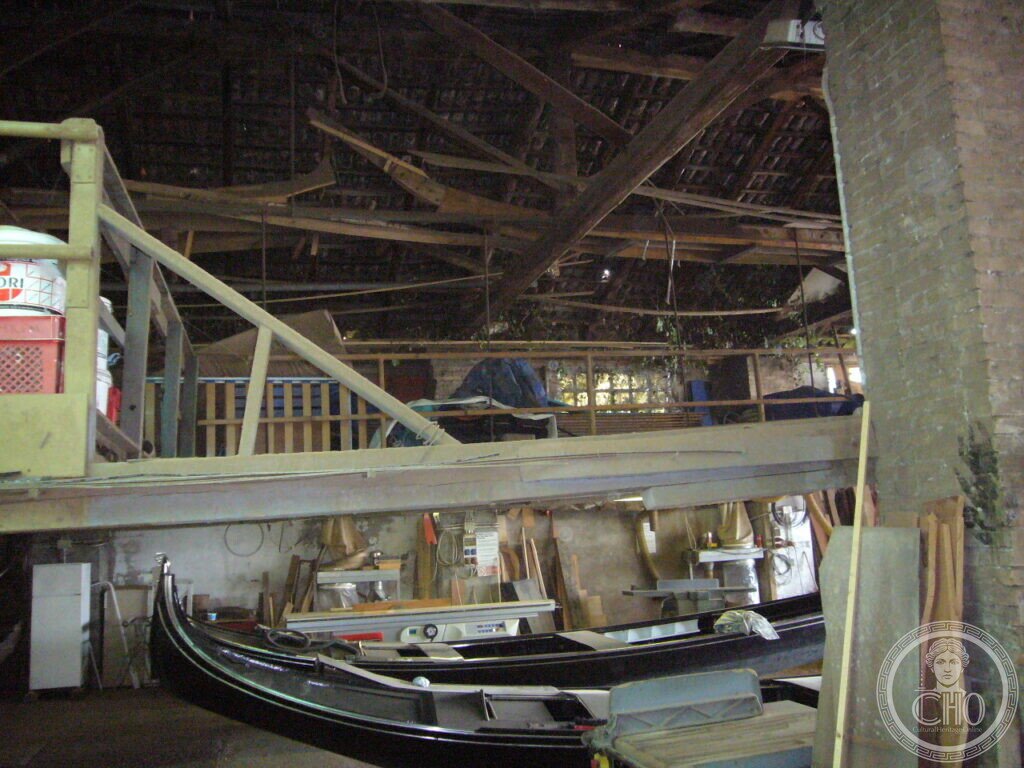
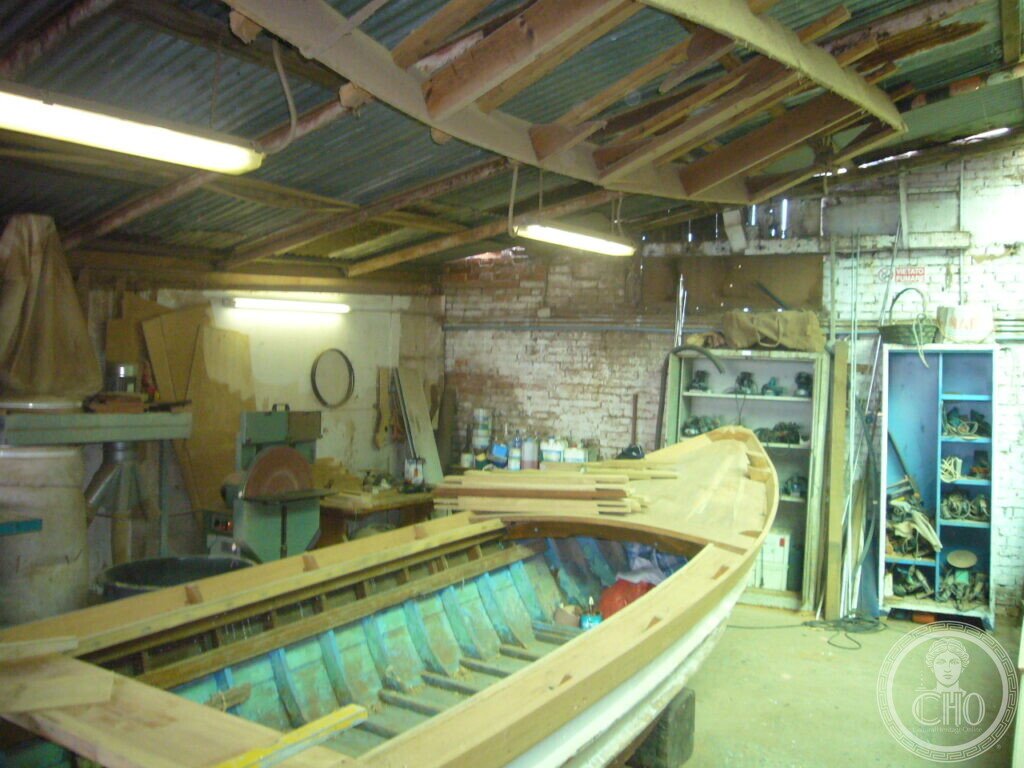
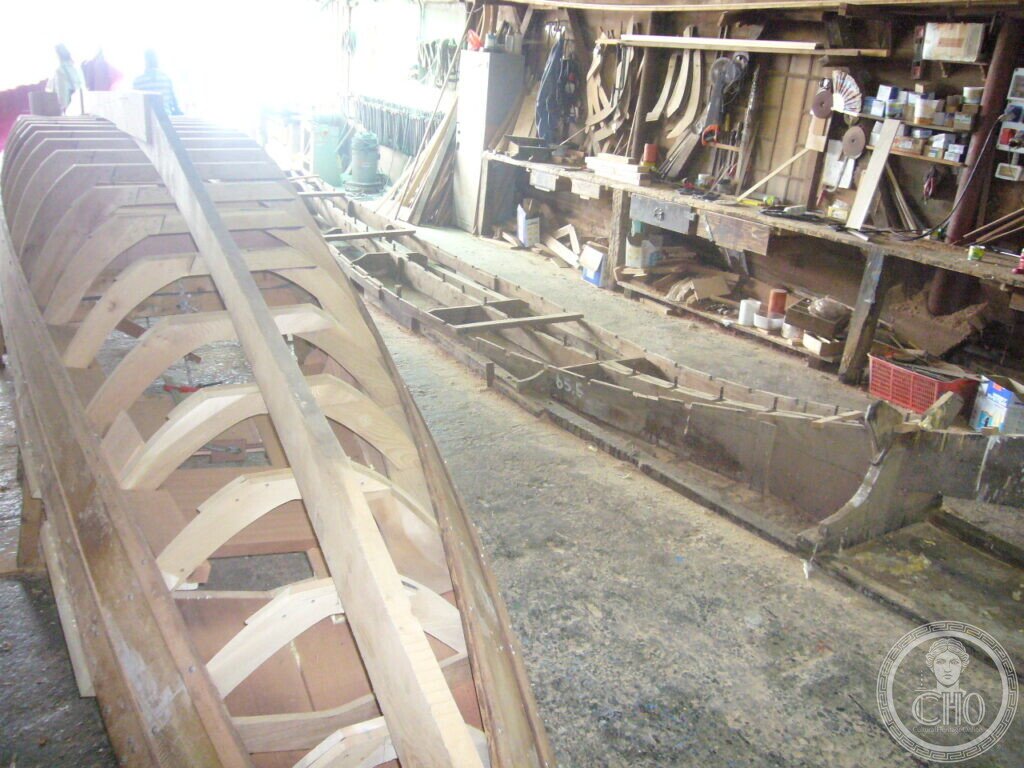
At Giudecca 212, in the brick sheds of the island’s old shipbuilding quarter, the Cantiere Nautico Crea builds and restores traditional Venetian wooden boats — gondolas above all. The yard was founded by Gianfranco Vianello, called “Crea”, seven-time consecutive winner of the Regata Storica and proclaimed Re del Remo, the King of the Oar. It is one of the last places where the whole animal is made: hull, carved decks, oars and forcole together. The smell inside is of sawdust and varnish; the floor is ankle-deep in shavings around each rising hull.
Key facts
- Address: Giudecca 212, 30133 Venice
- Trade: design and construction of gondolas and traditional Venetian boats; restoration of period craft
- Founder: Gianfranco Vianello “Crea” — winner of the Regata Storica on his debut in 1967 at 21, then seven consecutive victories 1977–1983 with Palmiro Fongher; 12 wins and 24 flags in 28 consecutive participations
- Family line: his grandfather won his first Regata Storica in 1918
- Latest launch: a new ferry gondola for the Rialto–San Silvestro crossing, launched at the yard on 20 June 2026 — capacity raised from 12 to 14 passengers
- Setting: the former CNOMV minor-shipbuilding compound, kept for boatbuilding by explicit city policy
- Location: approx. 45.4248 N, 12.3297 E
History
The Crea name enters Venetian rowing in 1918, when Gianfranco’s grandfather won his first Regata Storica. Gianfranco Vianello made it a dynasty: victory at his debut in 1967, aged 21, then — rowing with Palmiro Fongher — seven Regata Storica wins in a row from 1977 to 1983, a record that earned him the title of Re del Remo. When the racing ended, the knowledge went into the workshop. His yard on the Giudecca took over part of the former CNOMV shipbuilding compound, set aside in the early 1990s as a centre for Venice’s surviving minor boatbuilding trades.
The yard’s continuity has not been effortless. In 2011 Crea, frustrated by what he saw as official indifference — “everyone promises, but nobody really cares about our boatbuilding” — proposed converting his shed to a glassworks; the city blocked the change within months, ruling that on that site only boatbuilding is allowed, and the gondolas kept coming. They still do. On 20 June 2026 the city celebrated the launch, at this yard, of the new ferry gondola for the Rialto–San Silvestro crossing: fourteen passengers instead of twelve, a call bell at the landing, and wine poured over the hull for luck.
What you see
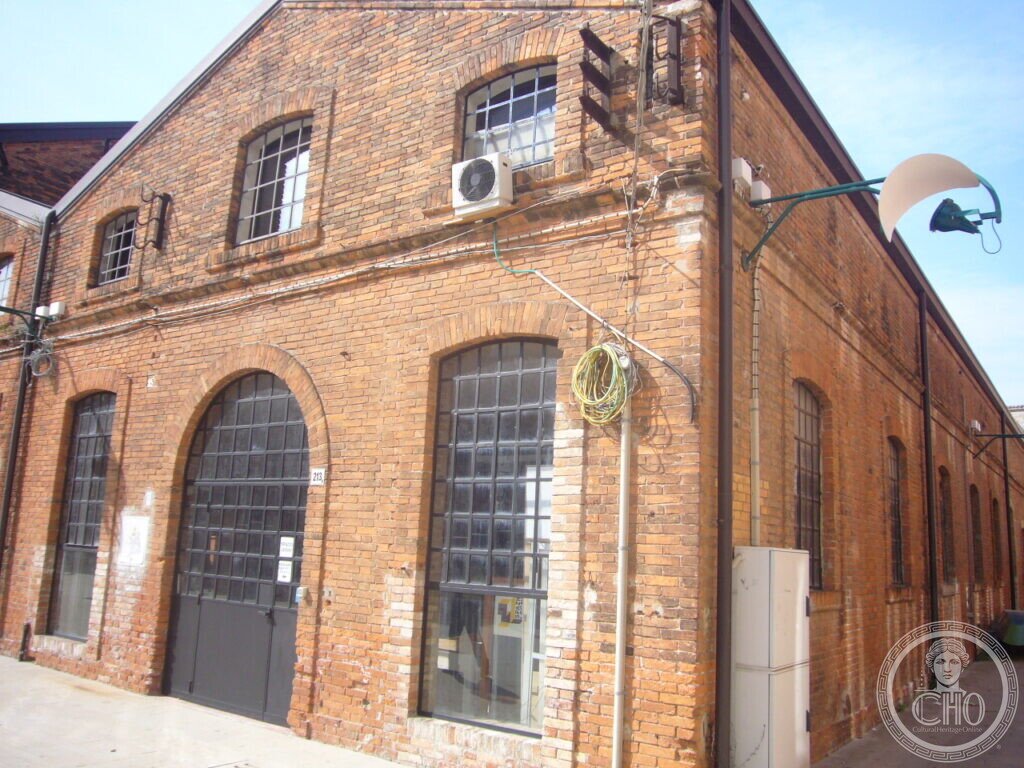
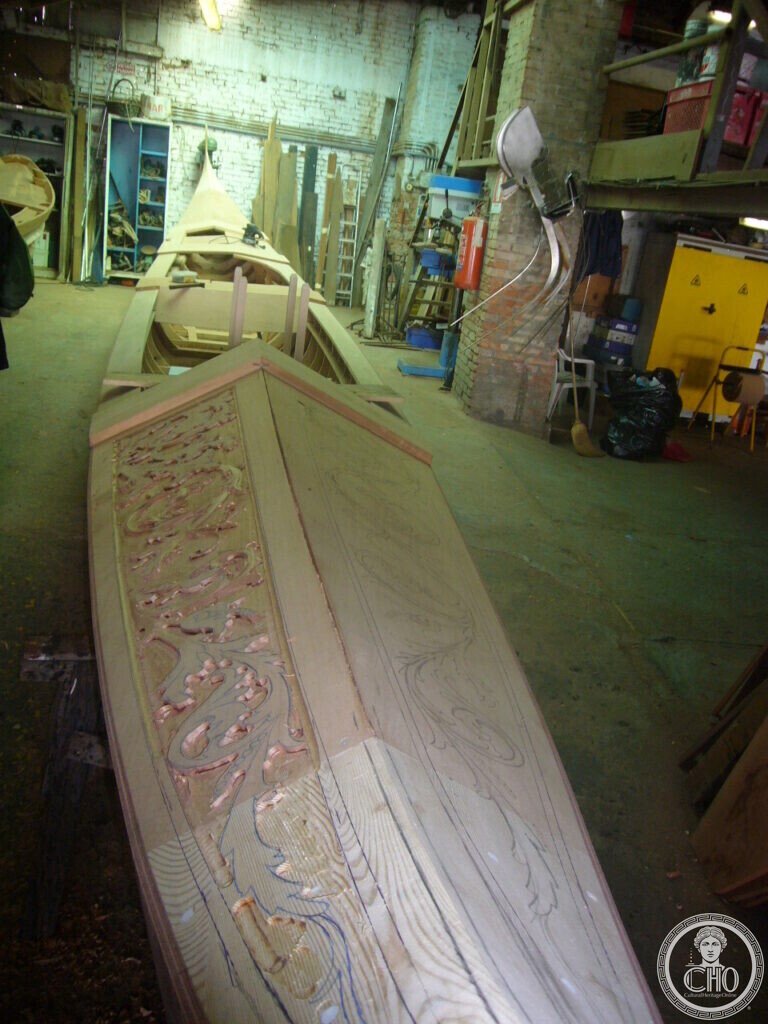
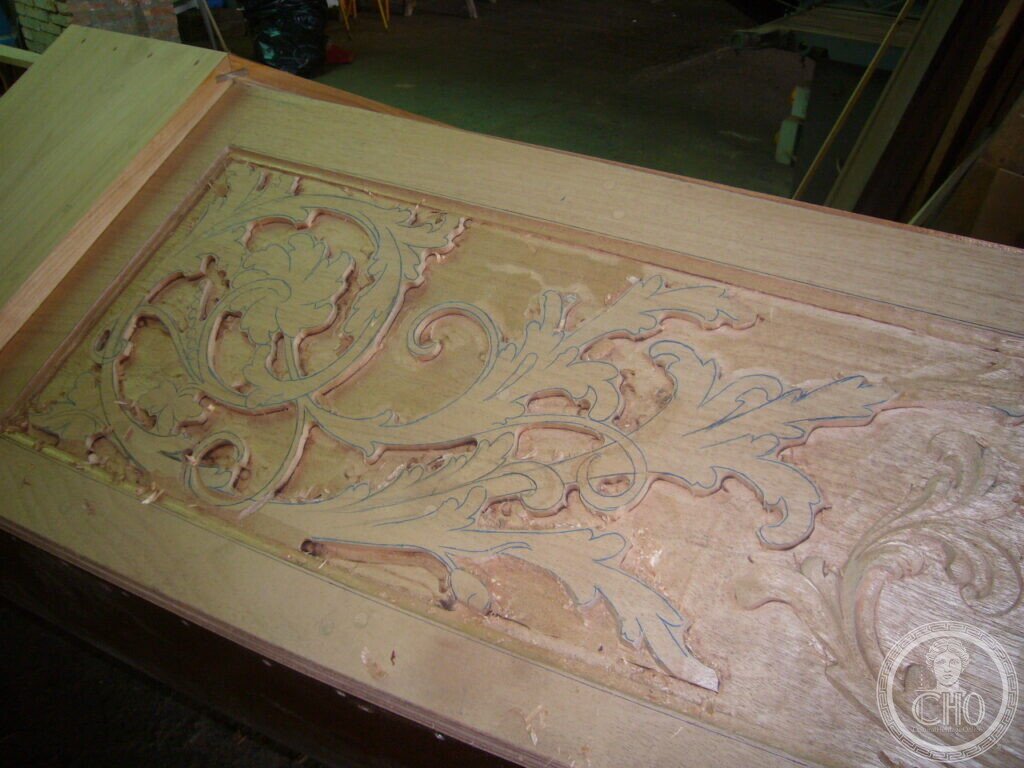
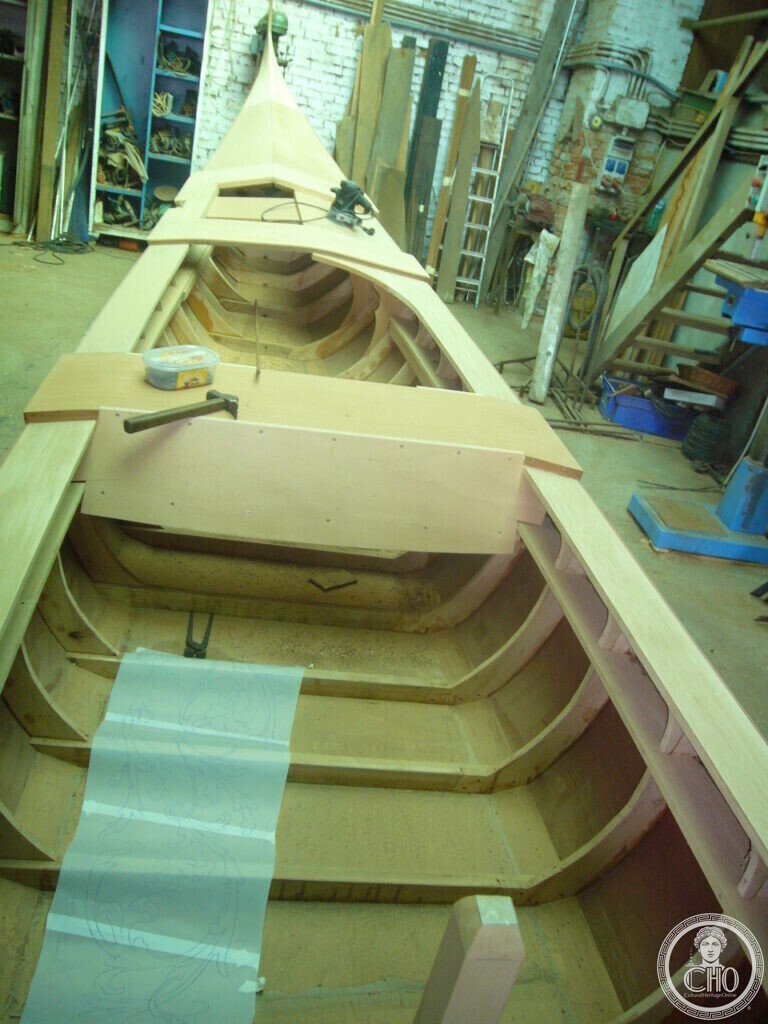
The compound is industrial Venice at its most legible: long brick sheds with big arched openings and iron-framed windows, built for the CNOMV works and still smelling of trade. Inside, gondolas at every stage — black finished hulls waiting on trestles, bare skeletons showing their asymmetric frames, and stern decks where the acanthus ornament is drawn in pencil on the raw board and then carved out, half the leaves still flat, half already in relief. Around them, benches of chisels and planes, racks of seasoned timber, and the occasional varnished motor launch in for restoration.
Cultural significance
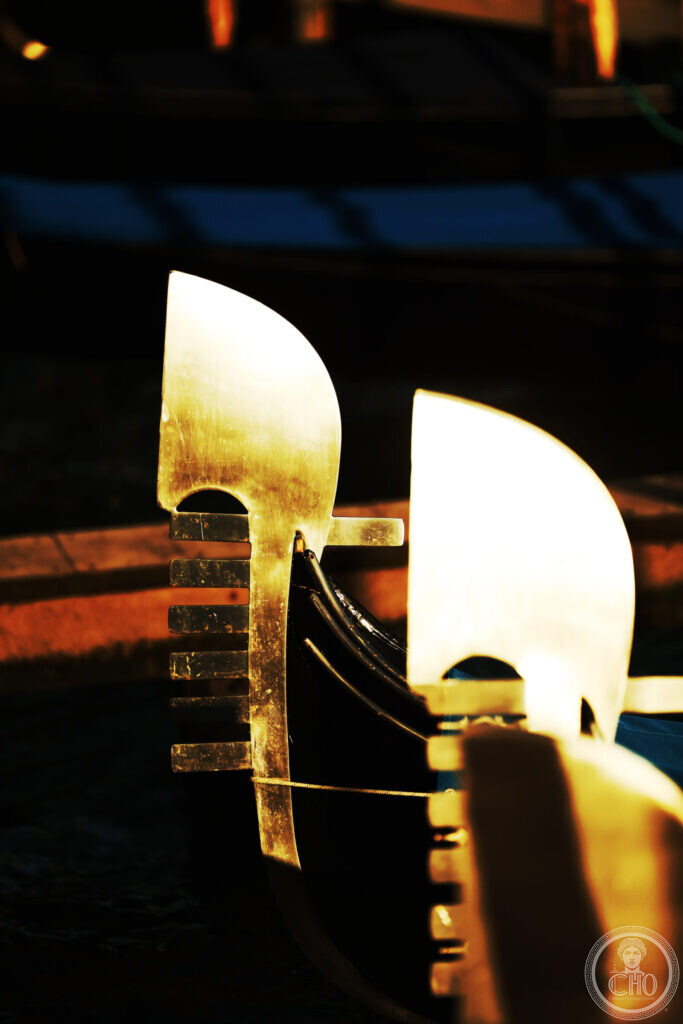
The gondola is the most recognised boat in the world, and one of the least industrialised: each one is still built to measure, its hull curved to the rower’s weight and the waters it will work. Yards like Crea’s — a handful survive — are the living archive of that knowledge, from naval carpentry to ornamental carving. That the city’s newest ferry gondola was launched here in 2026 says the craft is not a re-enactment: it is municipal infrastructure, built by hand a few metres from where art students and residents now share the island’s other former factories.
Practical information
- The yard is a private working boatyard, not a museum; it can be seen from the fondamenta and the surrounding compound.
- Commissions, restorations and information via the yard’s official website.
Getting there
Vaporetto to Palanca or Redentore (lines 2, 4.1, 4.2), then walk into the former shipbuilding compound on the island’s south side. Google Maps: Cantiere Crea.
Read more from the magazine
Nearby
- CREA — Cantieri del Contemporaneo — the Venice Fine Arts Academy’s art space in the same former shipbuilding compound
- Teatro Junghans — the theatre in the former watch factory
- Former Convent of Santi Cosma e Damiano — the island’s craft and culture centre
Sources & resources
Find it on the map
See this place and what’s around it →Record researched and written by Carla Szathvary for Cultural Heritage Online, 2026.
📷 Become a Cultural Heritage Online photographer
Share your photos of places: they stay published under your name as the author. The more they're seen, the more you get noticed — and soon a contest will reward the most appreciated photos.
Log in or sign up free to add a photoIs this page about you?
This page is read by travellers and heritage enthusiasts who find it on Google. Tell us how you are connected to this place and we will take it from there.