
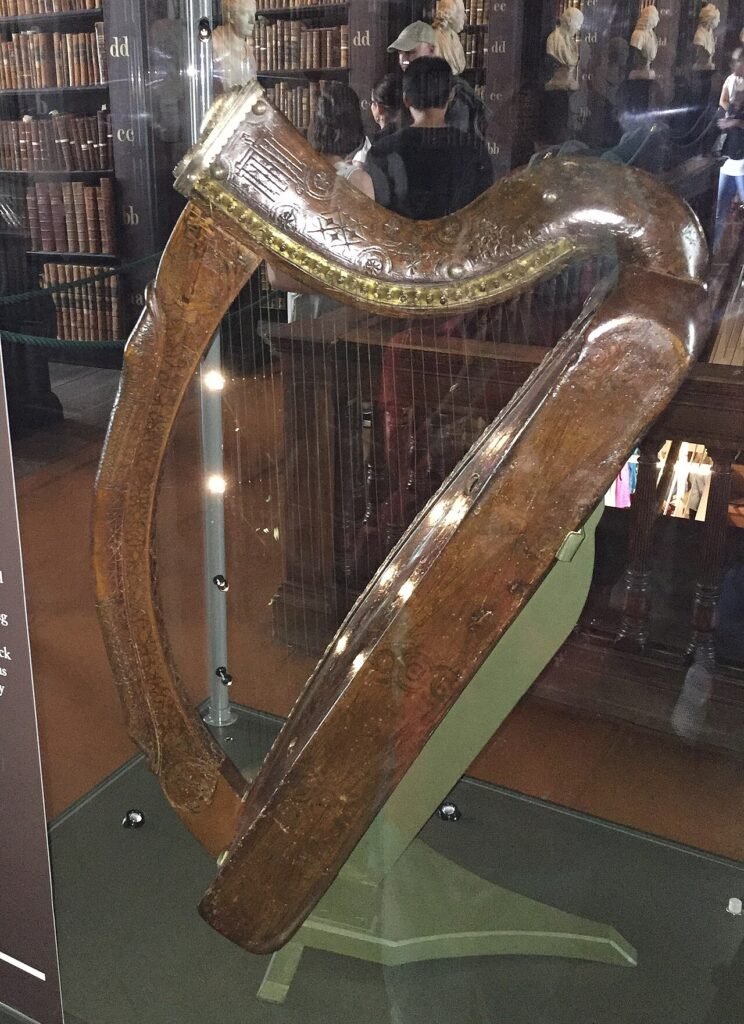
A wire-strung triangular harp tradition rooted in Gaelic nobility, Irish harping demands extraordinary technical skill and years of disciplined practice. The instrument remains a symbol of Irish identity, appearing on national emblems and currency.
At a glance
Irish harping is the art of playing the Celtic harp, a triangular frame instrument whose bright, resonant strings have carried Gaelic music for centuries. The practice demands mastery of fingering, technique and an intimate knowledge of the instrument’s expressive range. Players traditionally held high status within Irish society, serving the nobility and preserving repertoire passed orally through generations.
Origins & history
The Celtic harp has deep roots in Gaelic culture across the northwest of Europe. In Ireland and Scotland, it emerged as a wire-strung instrument of considerable prestige, closely associated with the courts and households of the Irish nobility. The harp’s cultural importance is evident in its appearance on coins, state emblems, and international symbols—it adorns the coat of arms of Ireland, Montserrat, Canada, and the United Kingdom, and features prominently in Guinness branding.
The practice
The Irish harp is a triangular frame instrument, known as cláirseach in Irish, clàrsach in Scottish Gaelic, telenn in Breton, and telyn in Welsh. Players work with wire strings that produce a bright, penetrating sound quite distinct from gut-strung variants. The technique requires considerable dexterity, strength and sensitivity—long practice is essential to develop the control needed to draw clear tones and execute the ornamentation characteristic of the tradition. Harpers move their fingers across the strings in patterns that shape melody, harmony and the instrument’s signature shimmer.
Cultural significance
Irish harping embodies the artistic heritage of the Gaelic world and remains a marker of Irish national identity. The instrument’s presence on state symbols, currency and international branding underscores its enduring cultural resonance. As a living practice, harping connects modern players and audiences to centuries of musical tradition and the courtly contexts in which the instrument once flourished.
Key facts
- Instrument: Triangular frame harp with wire strings
- Anchor region: Dublin, Ireland (53.34908°N, 6.25964°W)
- Traditional context: Gaelic nobility; court and household music
- UNESCO Intangible Cultural Heritage: 2016 (reference 01461)
- Regional names: cláirseach (Irish), clàrsach (Scottish Gaelic), telenn (Breton), telyn (Welsh)
Where to experience it
Dublin and throughout Ireland remain the heartland of the harping tradition. You can encounter the practice at musical venues, cultural festivals and heritage organisations dedicated to preserving Gaelic music. Many Irish musicians continue to perform and teach harping, maintaining the skill and repertoire that define this living practice.
Sources & resources
- UNESCO Intangible Cultural Heritage: Irish harping (Reference 01461)
- Wikipedia: Celtic harp
- Cultural Heritage Online
Find it on the map
See this place and what’s around it →📷 Become a Cultural Heritage Online photographer
Share your photos of places: they stay published under your name as the author. The more they're seen, the more you get noticed — and soon a contest will reward the most appreciated photos.
Log in or sign up free to add a photo