
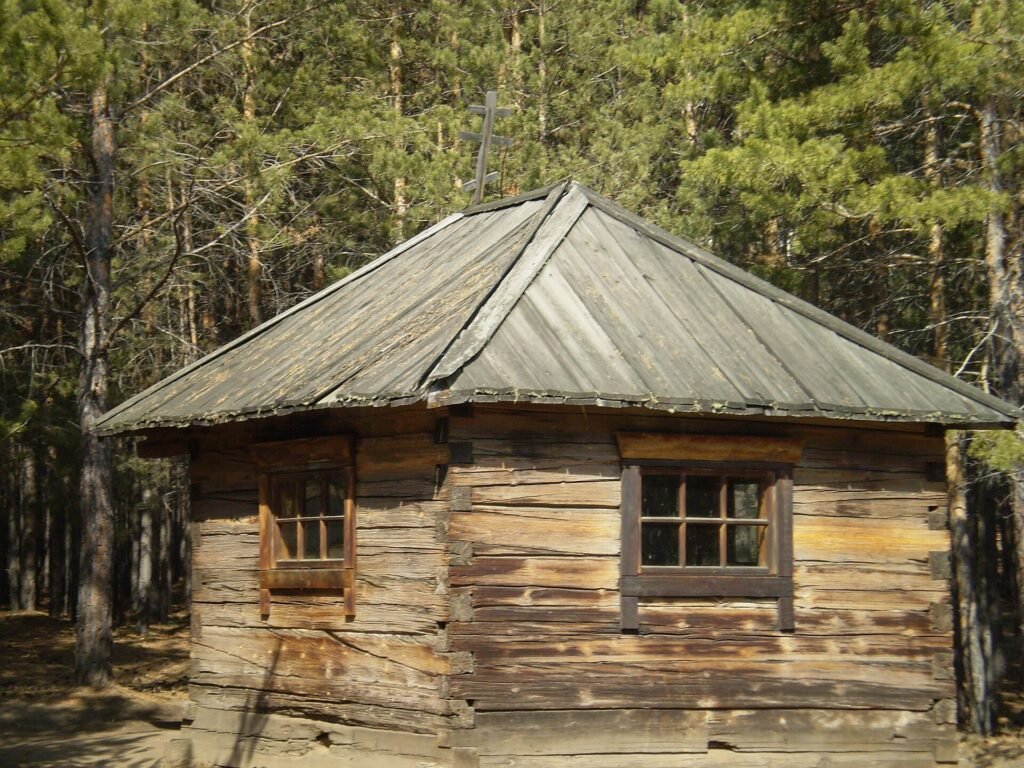
Cultural Space of the Semeiskie
The Semeiskie are an Orthodox Old Believer community whose distinctive rituals, songs, and way of life have flourished in Russia’s Transbaikal region for nearly three centuries, preserving a faith tradition that rejected 17th-century ecclesiastical reforms.
At a glance
The Semeiskie represent a living spiritual and cultural tradition rooted in Old Belief, the faith movement that emerged in opposition to the Raskol—the religious reforms of 17th-century Russia. Exiled to the Transbaikal by Catherine the Great, they have maintained their sacred rites, oral knowledge, and communal practices across generations, creating a distinct cultural space within Buryatia.
Origins & history
The Semeiskie originated as Old Believers who fled religious persecution in Russia. They first sought refuge in Gomel, Belarus (then part of Poland), but Catherine the Great exiled them to Buryatia in the Transbaikal under the guise of agricultural settlement to support Cossack border guards. This forced migration, intended as punishment, instead created the conditions for a sustained and distinctive community that has endured since the 18th century.
The practice
Semeiskie cultural space encompasses sacred rites and rituals that diverge from the official Russian Orthodox Church, maintained through oral transmission and community participation. The practice includes liturgical chanting, domestic prayer rituals, and ceremonial gatherings that bind families and villages together. Their worship spaces, home altars, and ritual objects reflect theological principles rejected by the state church in the 17th century—principles they continue to defend and transmit.
Community life revolves around seasonal celebrations, lifecycle rituals, and collective worship. Singing forms a vital part of their spiritual expression, with specific melodies and texts preserved through generations. Knowledge of prayers, ritual procedures, and theological interpretations passes from elders to younger members, sustaining the tradition’s integrity.
Cultural significance
The Semeiskie represent continuity with a pre-Petrine Russian Orthodox tradition and embody resistance to religious centralization. Their cultural space preserves linguistic, musical, and theological elements that might otherwise have been lost to history. For the broader Transbaikal region, they demonstrate how isolated communities maintain distinctive identities across centuries of displacement and pressure to conform.
Key facts
- Community: Semeiskie Old Believers, Transbaikal region
- Anchor location: Ulan-Ude, Russia (51.83°N, 107.60°E)
- Countries: Russia
- UNESCO Intangible Cultural Heritage inscription: 2001
- UNESCO reference number: 00017
Where to experience it
The heartland of Semeiskie culture remains the Transbaikal region around Ulan-Ude and surrounding villages in Buryatia. Visitors may encounter Semeiskie communities during seasonal celebrations and in their home and community worship spaces, though specific festival schedules and venues are best confirmed locally.
Sources & resources
- UNESCO Intangible Cultural Heritage: Cultural Space and Oral Culture of the Semeiskie
- Wikipedia: Semeiskie
- Cultural Heritage Online
Find it on the map
See this place and what’s around it →📷 Diventa un fotografo di Cultural Heritage Online
Condividi le tue foto dei luoghi: restano pubblicate con la tua firma come autore. Più vengono viste, più ti fai conoscere — e presto un concorso premierà le foto più apprezzate.
Accedi o registrati gratis per aggiungere una foto