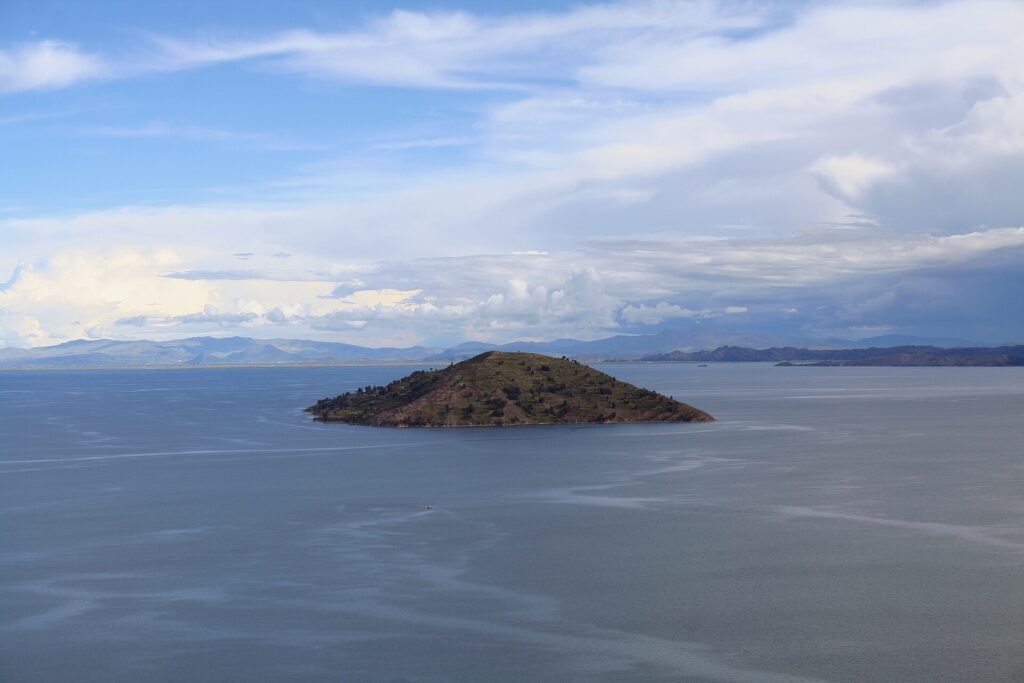
On a high island in Lake Titicaca, the Taquileños weave stories into cloth using techniques passed down through generations, creating textiles that speak in patterns and colors.
In UNESCO’s words
The island of Taquile located in Lake Titicaca on the Peruvian High Andean Plateau, is known for its textile art, which is produced as an everyday activity by both men and women, regardless of their age, and worn by all community members. The people of Taquile were relatively isolated from the mainland until the 1950s, and the notion of community is still very strong among them. This is reflected in the organization of community life and in collective decision-making.The weaving tradition on the island goes back to the ancient Inca, Pukara and Colla civilizations, thus keeping alive aspects of pre-Hispanic Andean cultures. Fabrics are either knitted or woven on pre-Hispanic fourstake ground looms.The most characteristic garments are the so-called chullo, a knitted hat with an earflap, and the calendar waistband, a wide woven belt depicting the annual cycles connected to ritual and agricultural activities. The calendar waistband has attracted the interest of many researchers as it depicts elements of the oral tradition of the community and its history. Although new, contemporary symbols and images have been introduced into Taquile textile art, the traditional style and techniques have been maintained. Taquile has a specialized school for learning Taquile handicrafts, ensuring the viability and continuity of the tradition. Tourism has contributed to the development of communal economy, which mainly consists of the textile and tourist trade.While tourism is regarded as an effective way of ensuring the continuity of the textile tradition, rising demand has led to significant changes in material, production and meaning. The Taquile population has grown considerably over recent decades, leading to resource shortages and the need to import more and more goods from the mainland.
Official description, UNESCO Intangible Cultural Heritage List — Taquile and its textile art
At a glance
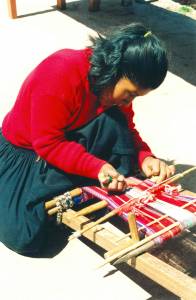
Taquile is an island community in Lake Titicaca where textile art is produced daily by both men and women of all ages as an everyday activity. The fabrics are either knitted or woven on traditional four-stake ground looms, with the most characteristic garments being the chullo, a knitted hat with an earflap, and the calendar waistband, a wide woven belt. All community members wear these textiles as part of their daily life.
Origins & history
The weaving tradition on Taquile traces back to the ancient Inca, Pukara and Colla civilizations, thus preserving aspects of pre-Hispanic Andean cultures. The island's population remained relatively isolated from the mainland until the 1950s, allowing these practices to persist with minimal disruption. While contemporary symbols and images have been introduced into the textiles, the traditional style and techniques have been maintained across generations.
The practice
Weavers work on pre-Hispanic four-stake ground looms to create knitted and woven textiles. Men traditionally knit chullo caps while women weave on looms. The calendar waistband is a wide woven belt that depicts annual cycles connected to ritual and agricultural activities, serving as a record of the community's oral tradition and history. A specialized school on the island teaches Taquile handicrafts to ensure continuity of these techniques.
Cultural significance
The textile tradition reflects the strong notion of community on Taquile, which extends to collective decision-making and the organization of community life. Tourism has contributed to the communal economy through textile and tourist trade, helping ensure the tradition's continuity. However, rising demand has led to significant changes in material, production and meaning, while population growth has created resource shortages requiring increased imports from the mainland.
Key facts
- Country: Peru
- Inscribed: 2008
- UNESCO list: Representative List of the Intangible Cultural Heritage of Humanity
- UNESCO reference: 00166
- UNESCO vocabulary: Clothing; Weaving
- Map: Taquile — the locality named in UNESCO’s official description of this element
Where to experience it
The island of Taquile in Lake Titicaca on the Peruvian High Andean Plateau is where this textile tradition thrives. Visitors can reach the island by boat to witness weavers of all ages at work in their communities and purchase textiles directly from the people who create them. The island's specialized school for learning Taquile handicrafts also welcomes those interested in understanding the techniques that have persisted since pre-Hispanic times, keeping alive the weaving methods and symbolic designs that define this living cultural practice.
Sources & resources
- UNESCO — official element page: Taquile and its textile art
- UNESCO — open data record: Intangible Heritage List, reference 00166
- UNESCO — official video: UNESCO film on this element — embedded on this page
- UNESCO — official photograph: Photograph of this element — Instituto Nacional de Cultura/Dante Villafuerte
- Reference — Wikipedia (secondary): Taquile Island — consulted as a secondary reference, not as confirmation
- Cultural Heritage Online: Our archive and city guides
Find it on the map
See this place and what’s around it →📷 Become a Cultural Heritage Online photographer
Share your photos of places: they stay published under your name as the author. The more they're seen, the more you get noticed — and soon a contest will reward the most appreciated photos.
Log in or sign up free to add a photo