

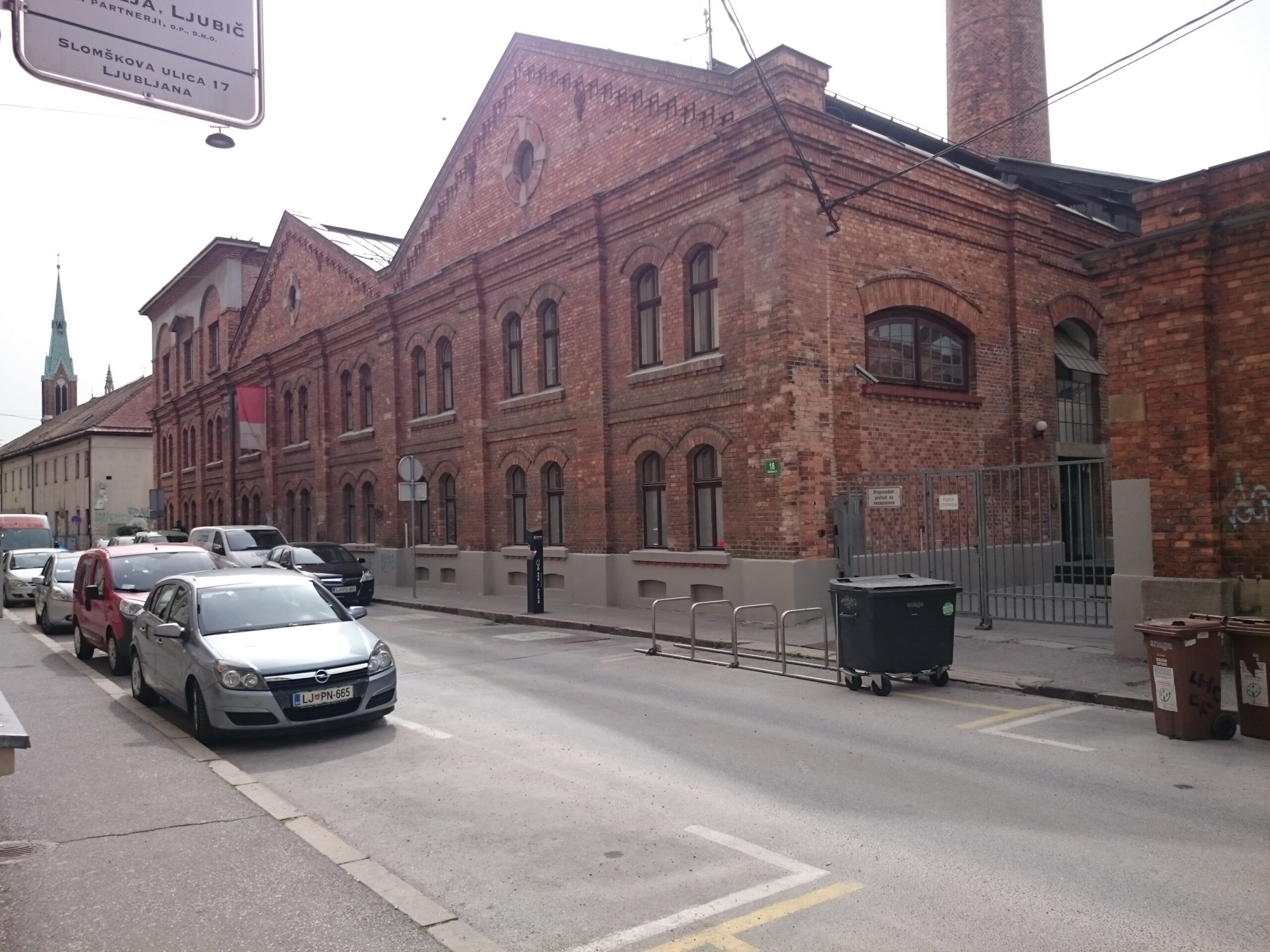
A pioneering industrial building from Ljubljana’s early modern era, this power station exemplifies the city’s technological ambitions at the turn of the twentieth century.
At a glance
Built in 1898, the Town Power Station stands as a monument to industrial progress in Slovenia’s capital. The structure has undergone considerable transformation since its inception, adapting to new purposes while retaining its historical significance.
History
Established on 1 January 1898, the power station emerged during a period of rapid modernization in Ljubljana. The building’s evolution reflects shifting urban priorities: from generating electricity to housing cultural venues. Among its notable adaptations was the incorporation of a theatre hall within its walls.
What you see
The building’s physical form has changed substantially over its lifespan. Successive renovations altered both its exterior appearance and interior layout. The integration of theatrical spaces represents a particularly distinctive intervention in the structure’s later history.
Cultural significance
The Town Power Station documents Ljubljana’s transition from a provincial center to a modern European city. Its repurposing demonstrates how industrial heritage can be preserved through adaptive reuse, serving contemporary cultural needs while honoring its utilitarian origins.
Key facts
- Country: Slovenia
- City: Ljubljana
- Built: 1898
- Coordinates: 46.055139837, 14.51276228
Practical information & getting there
The Town Power Station is located in central Ljubljana. For current access information and visiting hours, consult local tourism resources or contact Ljubljana’s cultural institutions directly.
Sources & resources
Find it on the map
See this place and what’s around it →📷 Become a Cultural Heritage Online photographer
Share your photos of places: they stay published under your name as the author. The more they're seen, the more you get noticed — and soon a contest will reward the most appreciated photos.
Log in or sign up free to add a photoIs this page about you?
This page is read by travellers and heritage enthusiasts who find it on Google. Tell us how you are connected to this place and we will take it from there.