
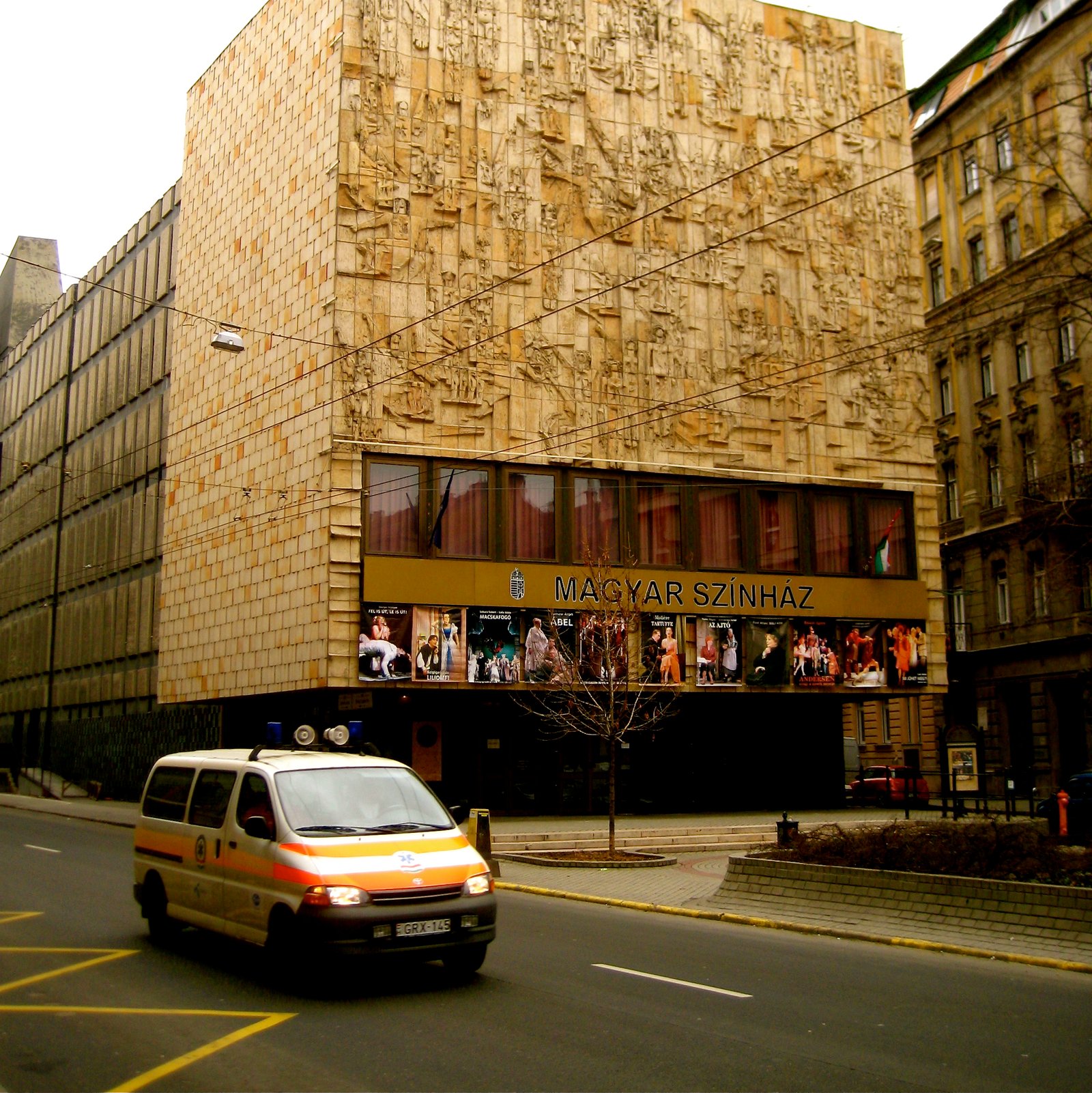
Budapest’s oldest continuously operating Hungarian-language theatre, founded in 1837 as a pioneering cultural institution that shaped the city’s dramatic tradition.
At a glance
The Magyar Theatre stands as a cornerstone of Hungarian theatrical heritage. Its founding in 1837 marked a turning point for Hungarian-language drama in Budapest, establishing the first major company dedicated to performing in the vernacular rather than German or other languages.
History
The company was established on August 22, 1837, pioneering Hungarian-language theatre during a period of national cultural awakening. For three years it operated under the Magyar Theatre name before being renamed the National Theatre of Hungary on August 8, 1840—a designation reflecting its growing importance to Hungarian cultural life.
The theatre changed venues twice throughout its history, eventually settling in its current building in 1966. In 2000, with the opening of a new National Theatre building, the original institution reclaimed its historical name on September 1, 2000, restoring the Magyar Theatre designation.
What you see
The current building dates to 1966. Limited architectural details are documented in available sources.
Cultural significance
The Magyar Theatre represents a crucial chapter in Hungarian national identity. Its founding during the 19th century symbolized the emergence of Hungarian cultural expression at a time of linguistic and national consciousness. The theatre’s continued operation—under varying names—documents Hungary’s theatrical traditions across two centuries.
Key facts
- Country: Hungary
- City: Budapest
- Founded: August 22, 1837
- Current building: 1966
- Coordinates: 47.50340278, 19.07265833
Practical information & getting there
The Magyar Theatre is located in central Budapest and remains an active performance venue. For current information on performances, hours, and ticket availability, consult the theatre’s official website or contact them directly.
Sources & resources
Find it on the map
See this place and what’s around it →📷 Become a Cultural Heritage Online photographer
Share your photos of places: they stay published under your name as the author. The more they're seen, the more you get noticed — and soon a contest will reward the most appreciated photos.
Log in or sign up free to add a photoDo you manage this place?
This page is read by travellers and heritage enthusiasts who find it on Google. Keep it accurate — and make it work for you. Free for non-profit heritage institutions.