
Pantun
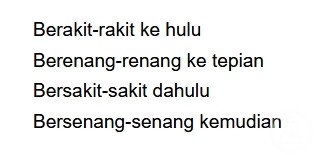
A Malayic oral poetic form of intricate emotional expression, pantun pairs a prefatory couplet with a closing statement connected through rhyme, metaphor, and verbal wit rather than narrative logic.
At a glance
Pantun is an even-lined verse form built on ABAB rhyme schemes, ranging from two lines to sixteen. The shortest form, the pantun dua kerat, and the popular quatrain are mainstays of Malayic literature and daily speech. The practice thrives across Indonesia, Malaysia, and Brunei, anchored in the traditions of Pekanbaru.
Origins & history
Earliest literary records of pantun appear in the 15th-century Malacca Sultanate, though some historians believe it may be as old as—or even predate—Classical Malay itself. Pantun is thought to have grown and spread during the Srivijaya era, from which Malacca’s founder originated. During the Malacca period, it was featured prominently in the Malay Annals, the foundational text of classical Malay literature, and regarded as a high art integral to learned circles and daily society alike.
The practice
Pantun always divides into two parts: the pembayang or sampiran (prefatory statement) and the maksud or isi (closing statement). The opening carries no immediate logical connection to the second, yet the two are always bound by rhyme and verbal associations—puns, assonance, and repetition. The opening often functions as an oblique metaphor for what follows. Recitation is oral; the beauty lies in how sound and suggestion work together, how a couplet about a river’s bend might introduce a meditation on change or longing. The form thrives in songs, rituals, performing arts, and storytelling, woven into the expressive fabric of traditional Malay life.
Cultural significance
Pantun embodies the Malayic genius for layered meaning and emotional nuance. It allows speakers and singers to express complex feelings and ideas through indirection—a deeply valued mode of communication in Malayic societies. The practice sustains oral tradition, binds communities through shared verbal craft, and remains vital in modern popular culture even as it honors centuries of classical refinement.
Key facts
- Practiced in Indonesia, Malaysia, and Brunei
- Anchor community: Pekanbaru, Indonesia (0.50933, 101.44544)
- Ranges from 2 lines (pantun dua kerat) to 16 lines (pantun enam belas kerat)
- Built on ABAB rhyme scheme
- Earliest literary records: 15th-century Malacca Sultanate
- UNESCO ICH reference: 02274
Where to experience it
Pantun remains alive in Pekanbaru and across Riau province as a living oral art. Listen for it in traditional Malay songs, rituals, and storytelling performances. The practice continues in everyday speech and formal recitation alike, preserved and performed by communities throughout the Malayic world.
Sources & resources
Find it on the map
See this place and what’s around it →📷 Diventa un fotografo di Cultural Heritage Online
Condividi le tue foto dei luoghi: restano pubblicate con la tua firma come autore. Più vengono viste, più ti fai conoscere — e presto un concorso premierà le foto più apprezzate.
Accedi o registrati gratis per aggiungere una foto