
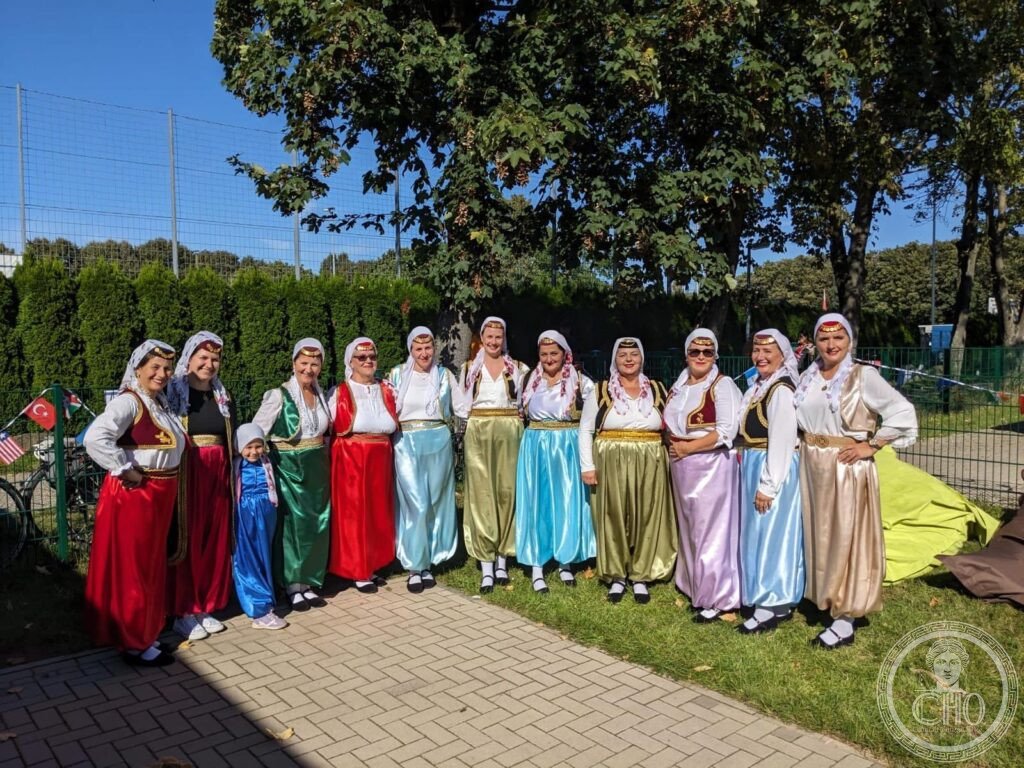
A genre of traditional folk music characterized by slow, emotionally intense melodies that explore themes of longing, love, and loss. Once performed a cappella, sevdalinka now blends elaborate vocal lines with accordion, violin, and strings in intimate urban settings across the Balkans.
At a glance
Sevdalinka is a traditional folk music genre rooted in Bosnia and Herzegovina, integral to Bosniak culture and widely shared across the former Yugoslav region. The actual composers of many sevdalinka songs remain unknown, preserved instead through oral tradition and communal memory. UNESCO recognized sevdalinka as Intangible Cultural Heritage in 2024.
Origins & history
Sevdalinka emerged from the folk traditions of Bosnia and Herzegovina, though the identities of its original composers have been lost to time. The genre evolved as an oral tradition, passed down through generations of singers and communities. Its emotional depth and structural complexity suggest roots in both local and regional musical influences, though the precise historical trajectory remains part of conjecture.
The practice
A sevdalinka performance showcases a vocalist whose control over rhythm and tempo can shift throughout the piece, drawing listeners into elaborate melodic lines characterized by slow or moderate pacing. Historically performed without instruments to highlight the complexity of the melody, modern sevdalinka relies on a small ensemble: accordion (most prominent), violin, nylon-string guitar, upright bass, saz or šargija, and occasional flute or clarinet and snare drum. Between verses, instrumentalists—particularly the accordion or violin—take solos that punctuate the emotional arc.
Traditionally considered “women’s songs,” sevdalinkas address longing, unfulfilled love, and women’s desire, though male singers and composers have also contributed to the repertoire. Some pieces incorporate comedic elements alongside their melancholic core.
Cultural significance
Sevdalinka embodies the emotional and social fabric of Bosnian urban life, giving voice to themes of love and loss that resonate across generations. The music bridges personal intimacy with collective identity, serving as a repository of feeling and experience. Its spread throughout the former Yugoslav region demonstrates how folk traditions transcend ethnic and national boundaries, creating shared cultural ground among diverse peoples.
Key facts
- Primary country: Bosnia and Herzegovina
- Anchor community: Sarajevo
- UNESCO Intangible Cultural Heritage List, 2024 (Reference 01872)
- Originally performed a cappella; now accompanied by accordion, violin, strings, and percussion
- Genre shares influence across Croatia, Montenegro, North Macedonia, and Serbia
Where to experience it
Sarajevo and surrounding regions of Bosnia and Herzegovina remain the heartland of sevdalinka practice. The genre is performed in intimate venues—traditional kafanas, concert halls, and cultural centers—where singers and small ensembles keep the tradition alive. Specific festivals and performance schedules are best confirmed through local cultural organizations and tourism resources.
Sources & resources
- Sevdalinka — Wikipedia
- Sevdalinka: Traditional Urban Folk Song — UNESCO Intangible Cultural Heritage
- Cultural Heritage Online
Find it on the map
See this place and what’s around it →📷 Become a Cultural Heritage Online photographer
Share your photos of places: they stay published under your name as the author. The more they're seen, the more you get noticed — and soon a contest will reward the most appreciated photos.
Log in or sign up free to add a photo