
A celebration rooted in memory of the ancient statesman Qu Yuan, the Dragon Boat Festival brings communities together on the fifth day of the fifth lunar month to race decorated boats and share symbolic foods—a practice that blends commemoration, competition, and collective renewal.
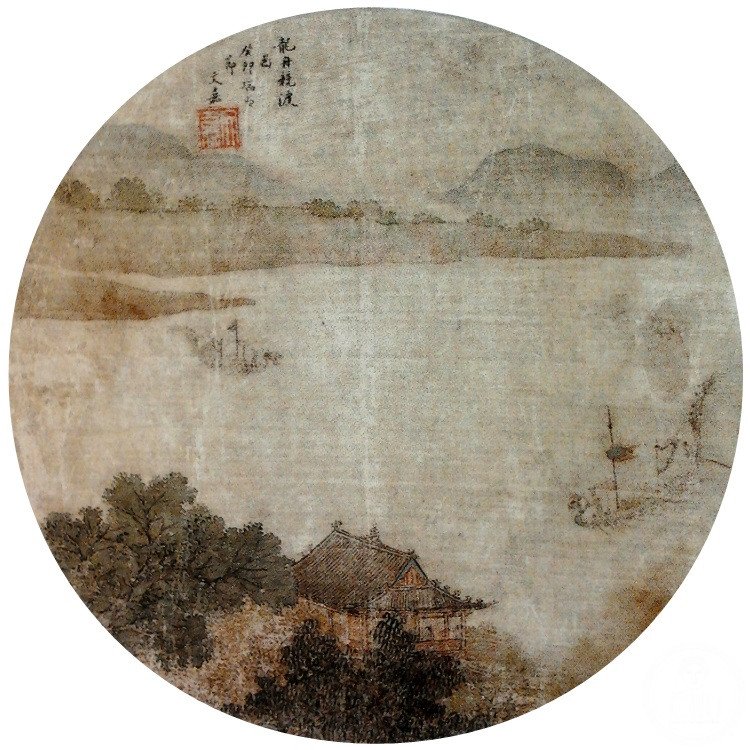
In UNESCO’s words
Beginning on the fifth day of the fifth lunar month, people of several ethnic groups throughout China and the world celebrate the Dragon Boat festival, especially in the middle and lower reaches of the Yangtze River. The festivities vary from region to region, but they usually share several features. A memorial ceremony offering sacrifices to a local hero is combined with sporting events such as dragon races, dragon boating and willow shooting; feasts of rice dumplings, eggs and ruby sulphur wine; and folk entertainments including opera, song and unicorn dances. The hero who is celebrated varies by region: the romantic poet Qu Yuan is venerated in Hubei and Hunan Provinces, Wu Zixu (an old man said to have died while slaying a dragon in Guizhou Province) in South China, and Yan Hongwo in Yunnan Province among the Dai community. Participants also ward off evil during the festival by bathing in flower-scented water, wearing five-colour silk, hanging plants such as moxa and calamus over their doors, and pasting paper cut-outs in their windows. The Dragon Boat festival strengthens bonds within families and establishes a harmonious relationship between humanity and nature. It also encourages the expression of imagination and creativity, contributing to a vivid sense of cultural identity.
Official description, UNESCO Intangible Cultural Heritage List — Dragon Boat festival
At a glance
The Dragon Boat Festival begins on the fifth day of the fifth lunar month and is celebrated by several ethnic groups throughout China and beyond, particularly in the middle and lower Yangtze River region. The festival combines a memorial ceremony honouring a local hero with dragon boat racing, feasts featuring rice dumplings and eggs, and folk entertainments such as opera and song. Participants also perform rituals to ward off evil, including bathing in flower-scented water, wearing five-colour silk, and hanging protective plants over doorways.
Origins & history
The festival's hero varies by region. Romantic poet Qu Yuan is venerated in Hubei and Hunan Provinces; Wu Zixu, said to have died slaying a dragon, is honoured in South China; and Yan Hongwo is celebrated among the Dai community in Yunnan Province. Each region's traditions reflect its own historical ties and local figures, creating distinct regional expressions while maintaining shared core practices.
The practice
Dragon boat racing forms the ceremonial centre, with teams competing in synchronized effort. The festival includes sporting events such as dragon boating and willow shooting, alongside feasts of rice dumplings, eggs, and ruby sulphur wine. Folk entertainments—opera, song, and unicorn dances—accompany the celebrations. Participants bathe in flower-scented water, wear five-colour silk, hang moxa and calamus over doors, and paste paper cut-outs in windows as protective measures.
Cultural significance
The Dragon Boat Festival strengthens family bonds and establishes harmony between humanity and nature. It encourages imagination and creativity while contributing to a vivid sense of cultural identity. For communities that practise it, the festival transmits values and reinforces belonging across generations, maintaining continuity with ancestral practices and shared cultural memory.
Key facts
- Country: China
- Inscribed: 2009
- UNESCO list: Representative List of the Intangible Cultural Heritage of Humanity
- UNESCO reference: 00225
- UNESCO vocabulary: Festivals; Legendary creatures; Ships
- Map: not shown — UNESCO’s official description of this element names no locality, and a living tradition is practised across a community, not at one address.
Where to experience it
The Dragon Boat Festival is celebrated beginning on the fifth day of the fifth lunar month throughout China and among Chinese communities worldwide. The tradition is strongest along the middle and lower reaches of the Yangtze River, where regional variations shape distinct celebrations. Visitors can witness dragon races, dragon boating competitions, and willow shooting events, alongside feasts featuring rice dumplings and folk entertainments including opera and unicorn dances. In Hubei and Hunan Provinces, communities honour the poet Qu Yuan, while South China venerates Wu Zixu and Yunnan's Dai community celebrates Yan Hongwo. Families and communities gather to strengthen bonds through shared rituals of purification, wearing silk, and decorating homes with protective plants and paper cut-outs.
Sources & resources
- UNESCO — official element page: Dragon Boat festival
- UNESCO — open data record: Intangible Heritage List, reference 00225
- UNESCO — official video: UNESCO film on this element — embedded on this page
- UNESCO — official photograph: Photograph of this element — WU Zhijian — Folk Customs in Hubei. Hubei Fine Arts Publishing House, 2003
- Reference — Wikipedia (secondary): Dragon Boat Festival — consulted as a secondary reference, not as confirmation
- Cultural Heritage Online: Our archive and city guides

Sources
- S1 — Gombrich, Richard, and Gananath Obeyesekere. Buddhism Transformed. Princeton University Press, 1988. / Eberhard, Wolfram. Chinese Festivals. Henry Schuman, 1952. ISBN 978-0-89875-873-3.
- S2 — Stepanchuk, Carol, and Charles Wong. Mooncakes and Hungry Ghosts: Festivals of China. China Books & Periodicals, 1991. ISBN 978-0-8351-2481-2.
Spotted an error? Write to editorial@culturalheritageonline.com and we correct it the same day.