
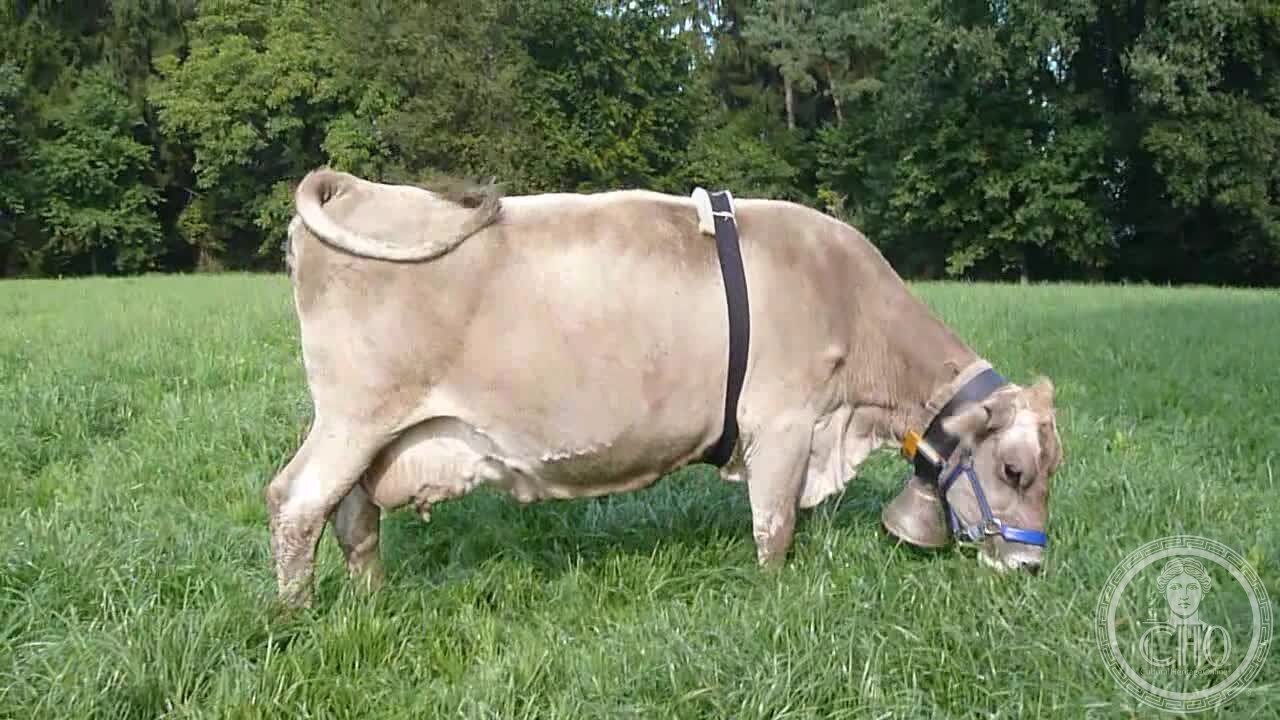
In Lisbon, artisans preserve the centuries-old craft of hand-making cowbells—the small percussive instruments that allow herders to locate grazing livestock by sound across remote terrain.
At a glance
The cowbell is a practical bell worn around the neck of free-roaming cattle, sheep, and other livestock. Herders rely on its sound to track animals grazing out of view in hilly landscapes or vast plains. The manufacture of these bells represents an enduring craft tradition, passed down through generations of Portuguese artisans.
Origins and history
Cowbells emerged from practical necessity in pastoral economies, where herds ranged across open countryside beyond the herder’s sight line. The craft of their manufacture developed as an essential trade in rural and agricultural communities. Portuguese artisans have maintained this tradition, refining techniques and methods over time.
The tradition today
Contemporary cowbell manufacture in Lisbon continues to employ hand-crafting methods. Although cowbells remain most commonly associated with cattle, they are used on a wide variety of animals including sheep, goats, and horses. Modern artisans balance traditional techniques with the practical demands of contemporary pastoral work and heritage preservation.
Cultural significance
The cowbell represents far more than a functional object—it embodies the relationship between herders and their livestock, and connects communities to centuries of agricultural tradition. The craft preserves specialized knowledge of metallurgy, acoustics, and design. UNESCO recognition affirms the cultural value of maintaining these artisanal methods in an increasingly industrialized world.
Key facts
- Country: Portugal
- Primary community: Lisbon
- UNESCO Intangible Cultural Heritage: Representative List (Manufacture of cowbells)
- Primary use: Livestock tracking across open grazing lands
- Animal applications: Cattle, sheep, goats, horses, and other free-roaming livestock
Sources & resources
Find it on the map
See this place and what’s around it →📷 Become a Cultural Heritage Online photographer
Share your photos of places: they stay published under your name as the author. The more they're seen, the more you get noticed — and soon a contest will reward the most appreciated photos.
Log in or sign up free to add a photo