
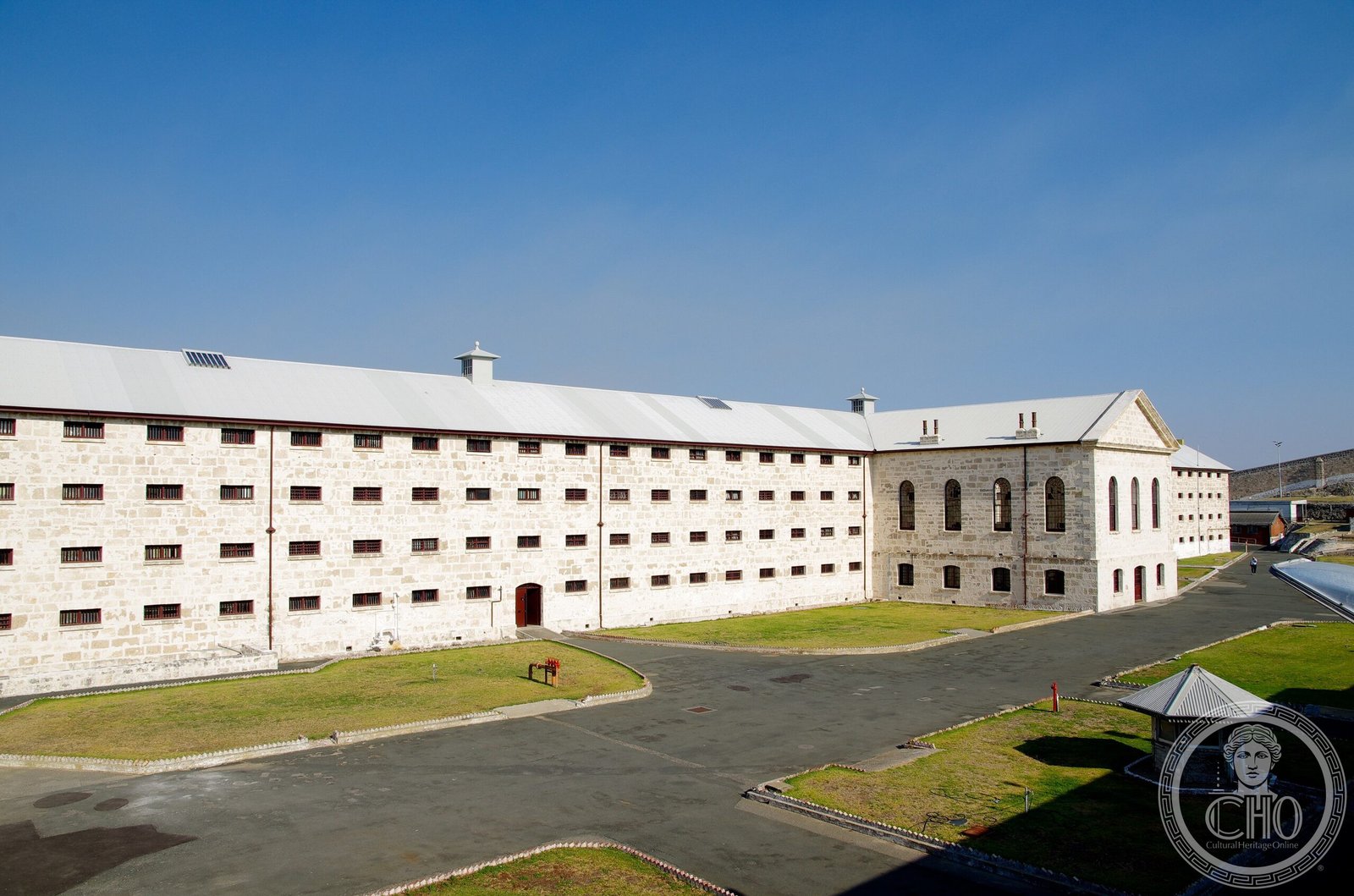
A former convict and prison facility transformed into a World Heritage site, Fremantle Prison stands as a testament to Australia’s penal history and the lives confined within its walls for over 140 years.
At a glance
Fremantle Prison comprises cellblocks, a gatehouse, perimeter walls, cottages, and tunnels spanning its 141-year operational history. Initially housing British transportees, it evolved into a locally-run facility reflecting changing prisoner demographics and attitudes toward incarceration. The site closed in 1991 and now operates as a heritage attraction and museum.
History
Opened in 1850 to house convicts transported from Britain, the prison transferred to colonial government control in 1886 to accommodate locally-sentenced prisoners. Royal Commissions in 1898 and 1911 prompted modest reforms, though systemic change proved slow. By the 1960s, conditions deteriorated. A violent 1988 riot saw guards taken hostage and a fire that inflicted $1.8 million in damage; the prison closed three years later.
Administration changed hands among comptroller generals, sheriffs, and directors overseeing the entire Western Australian system, with individual superintendents managing daily operations. Early convict populations consisted of relatively low-risk migrants; later cohorts included more violent offenders. By the late 20th century, Aboriginal prisoners were present in substantial numbers.
What you see
The physical complex encompasses functioning cellblocks, administrative buildings, guard quarters, and an extensive tunnel network beneath the grounds. Cells were austere; prisoners ate all meals confined to their rooms throughout the facility’s operation. The perimeter walls remain largely intact, defining the site’s boundaries as they did for prisoners and staff alike.
Cultural significance
Fremantle served as Western Australia’s sole lawful execution site between 1888 and 1984, with over 40 hangings recorded. It witnessed notable escapes by Moondyne Joe, Fenian rebels John Boyle O’Reilly and six companions in the 19th century, and Brenden Abbott in 1989. The 1968 and 1988 riots marked critical turning points in penal history and public discourse on incarceration.
World Heritage designation emphasizes the convict era (1850–1886) while the more recent prisoner experience remains incompletely documented. This selective framing shapes how visitors understand the site’s full, complex legacy.
Key facts
- Location: Fremantle, Western Australia, Australia
- Coordinates: -32.055, 115.7535
- Operational period: 1850–1991
- UNESCO World Heritage Site (as part of Australian Convict Sites)
- Notable event: 1988 riot and fire causing $1.8 million damage
- Executions: Over 40 hangings, 1888–1984
Practical information & getting there
The prison is now open to the public as a museum and heritage attraction. Guided tours explore the cellblocks, execution chamber, and tunnel systems. You can reach the site in central Fremantle via public transport or car. Check ahead for current opening hours, admission fees, and tour availability, as operating schedules may vary seasonally.
Sources & resources
Find it on the map
See this place and what’s around it →📷 Become a Cultural Heritage Online photographer
Share your photos of places: they stay published under your name as the author. The more they're seen, the more you get noticed — and soon a contest will reward the most appreciated photos.
Log in or sign up free to add a photoIs this page about you?
This page is read by travellers and heritage enthusiasts who find it on Google. Tell us how you are connected to this place and we will take it from there.