
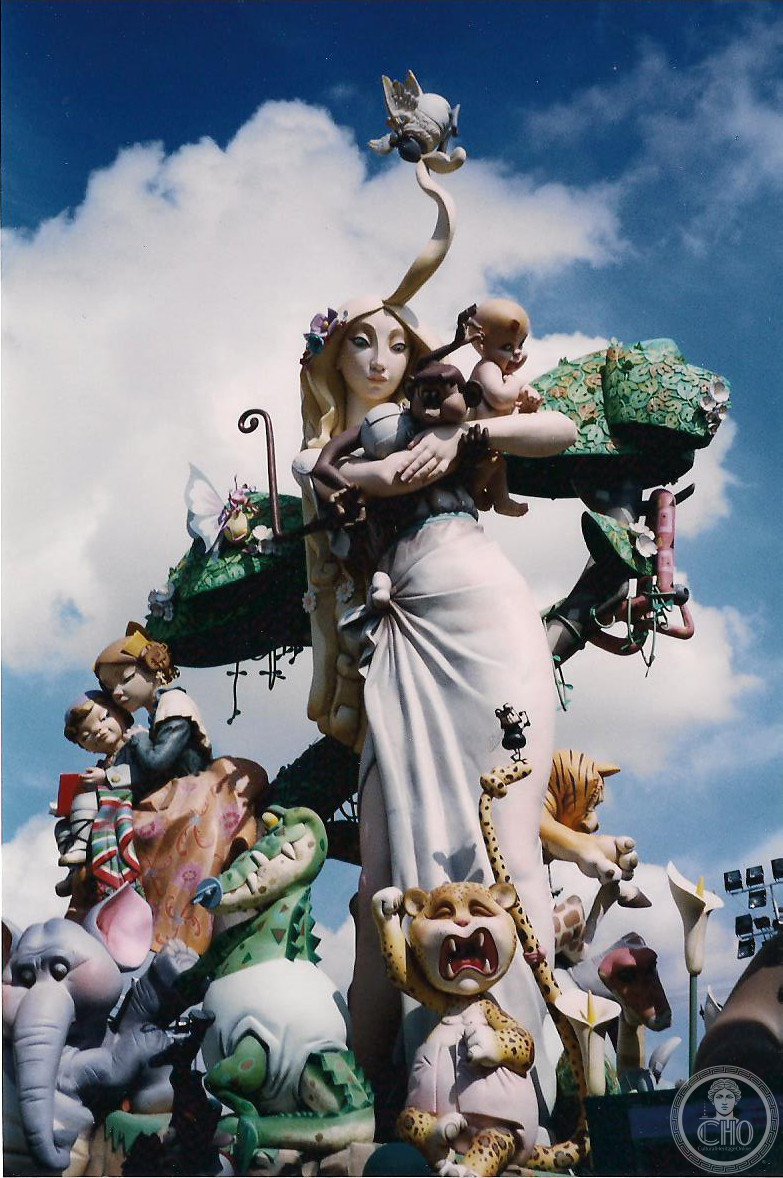
Each March, Valencia burns elaborate wooden monuments in a five-day festival that transforms neighbourhoods into stages of art, fire, and community pride.
At a glance
The Fallas is Valencia’s patronal festival, celebrated annually from 15 to 19 March. The word refers both to the celebration itself and to the falla monuments—towering wooden structures built by neighbourhood commissions throughout the year—that are ceremonially burned on the final night. The Mascletà, a pyrotechnic display of coordinated firecracker detonations, punctuates each day from 1 to 19 March, drawing crowds to the Plaza del Ayuntamiento.
Origins and history
The festival’s roots are local to Valencia’s neighbourhoods and working communities. Today, approximately 400 registered commissions—organised groups of residents—each maintain a Casal faller, a meeting house where members gather year-round. These groups fundraise through dinners and parties, often featuring paella, the region’s celebrated rice dish, to finance their falla constructions. The tradition has inspired similar celebrations across the Valencian Community, including the Bonfires of Saint John in Alicante and the Fiestas de la Magdalena in Castellón de la Plana.
The tradition today
Each neighbourhood’s commission designs and builds its own falla, a wooden monument that can reach several storeys high. These structures blend artistry with satire, often depicting social commentary, mythological scenes, or local figures. The five main festival days culminate in the Cremà—the burning of all fallas on 19 March—a spectacle of flames, music, and collective catharsis that unites the city.
Cultural significance
The Fallas represents a living expression of Valencia’s communal identity and creative spirit. It embodies the cyclical nature of neighbourhood life: year-round collaboration, artistic vision, and the ritual destruction that renews the urban landscape. The festival binds social classes and generations through shared labour and celebration.
Key facts
- Country: Spain
- Anchor community: Valencia
- Main festival dates: 15–19 March
- Mascletà (firecracker displays): 1–19 March daily
- Active commissions: approximately 400
- UNESCO Intangible Cultural Heritage listing: 30 November 2016
Where to experience it
Visit Valencia in March to witness the Fallas. The Mascletà takes place daily at noon in the Plaza del Ayuntamiento. Neighbourhood fallas are displayed throughout the city during the five main days. The Cremà (burning of monuments) occurs on 19 March, typically beginning in the evening and continuing into the night. Many commissions welcome visitors to their Casal faller, though it is respectful to attend organised events.
Sources & resources
Find it on the map
See this place and what’s around it →📷 Become a Cultural Heritage Online photographer
Share your photos of places: they stay published under your name as the author. The more they're seen, the more you get noticed — and soon a contest will reward the most appreciated photos.
Log in or sign up free to add a photo