
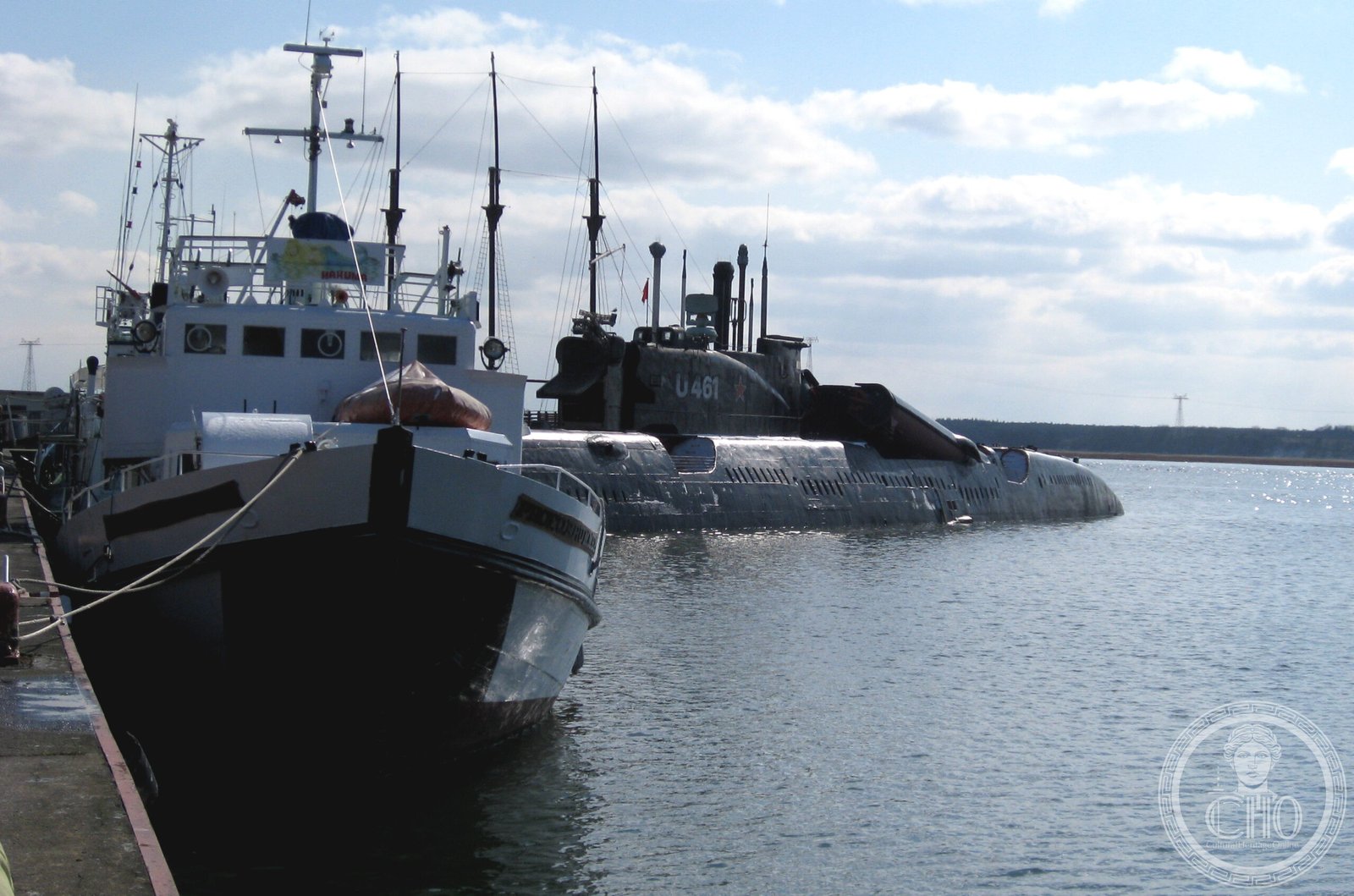
On the Baltic island of Usedom, this small municipality holds an outsized place in twentieth-century history as the birthplace of modern rocketry—where Nazi Germany developed the V-2, the world’s first functional large-scale liquid-propellant rocket.
At a glance
Peenemünde sits on the northern tip of Usedom, an island shared between Germany and Poland. The town’s modest present-day character belies its scientific and military significance. Today the Army Research Center survives as a museum and testament to a pivotal moment in aerospace engineering.
History
The Peenemünde Army Research Center became the nerve centre of Nazi Germany’s rocket programme during World War II. Here scientists and engineers perfected the V-2, a weapon that would later inspire both American and Soviet space programmes. The facility itself was heavily bombed during the war, yet its legacy shaped the space age that followed.
What you see
The research centre’s original structures remain, some restored and some preserved as ruins. The complex reflects the industrial architecture of wartime German military science—functional, sprawling, and built for rapid innovation under pressure.
Cultural significance
Peenemünde marks a hinge in history where military ambition, scientific achievement, and technological consequence converged. The V-2’s development here foreshadowed the space race and fundamentally altered humanity’s relationship with technology and warfare. The site invites visitors to confront how scientific progress and moral responsibility intersect.
Key facts
- Location: Usedom island, Vorpommern-Greifswald district, Mecklenburg-Vorpommern, north-eastern Germany
- Coordinates: 54.13°N, 13.77°E
- Known for: Development of the V-2 rocket at the Peenemünde Army Research Center
Practical information & getting there
Peenemünde is accessible by car or train via connections to the island of Usedom. The Army Research Center operates as a museum open to the public. Before visiting, check current opening hours and any entry requirements online.
Sources & resources
Find it on the map
See this place and what’s around it →📷 Become a Cultural Heritage Online photographer
Share your photos of places: they stay published under your name as the author. The more they're seen, the more you get noticed — and soon a contest will reward the most appreciated photos.
Log in or sign up free to add a photo