
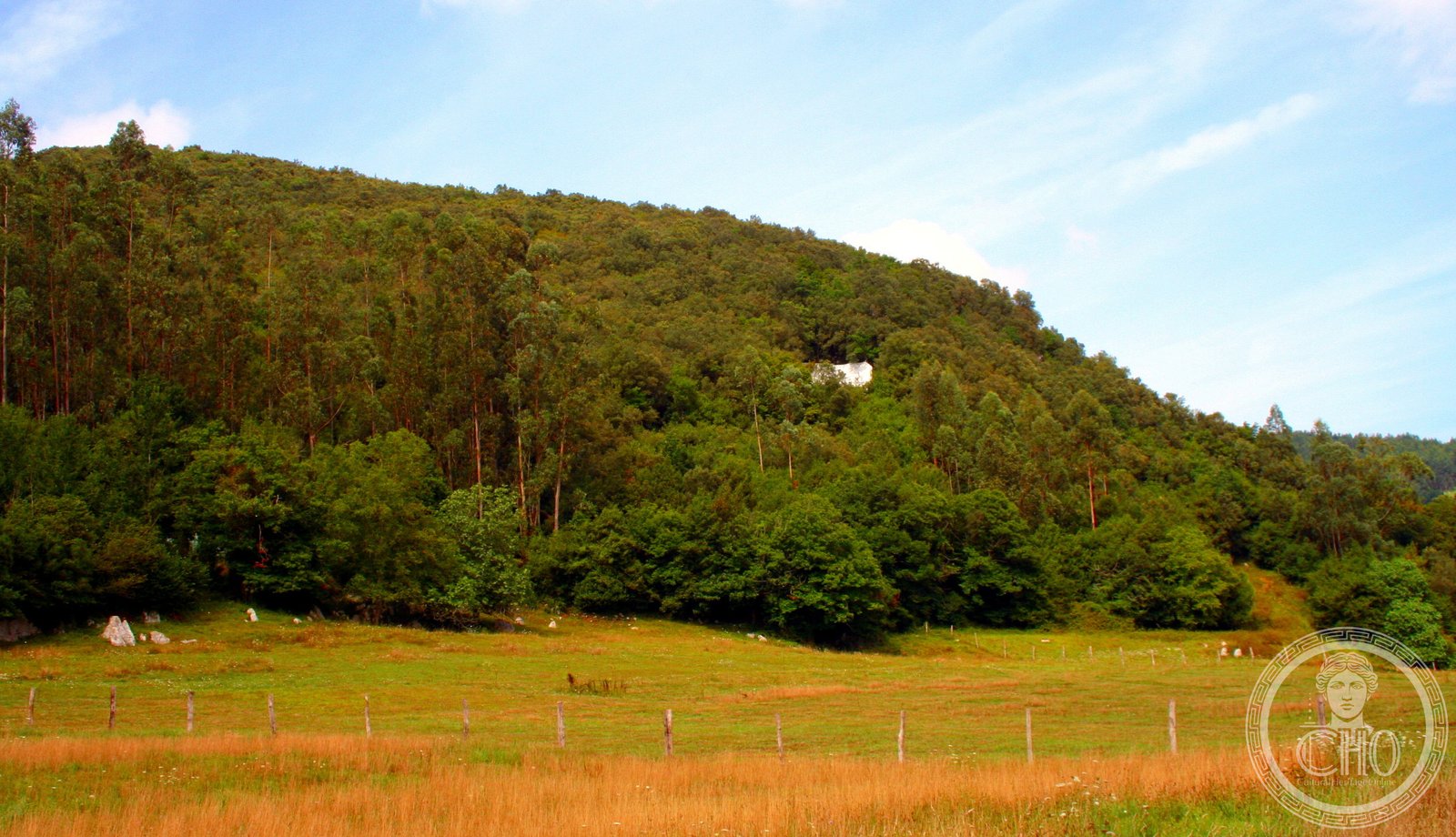
One of Europe’s most remarkable prehistoric sanctuaries, La Garma preserves an exceptional Paleolithic floor scattered with thousands of fossils and hand-stencilled walls—a window into Ice Age artistic vision.
At a glance
Located in the Cantabrian mountains north of Omoño, La Garma is a subterranean complex of profound archaeological importance. Its Paleolithic floor remains among the best preserved anywhere, containing more than 4,000 fossil remains alongside over 500 individual graphical units—paintings, engravings, and handprints spanning millennia of human occupation.
History
La Garma’s deposits document repeated episodes of Paleolithic habitation and ritual activity. The site’s stratigraphy and faunal assemblages reveal how successive generations returned to the cave, creating layers of archaeological evidence that tell of hunting strategies, subsistence patterns, and cultural practices spanning thousands of years.
What you see
The cave system comprises multiple chambers and passages decorated with parietal art. Hand stencils—created by blowing pigment around raised palms—dominate the artistic repertoire, a technique suggesting both individual identity and collective ritual. Engravings and figurative depictions of animal forms complete the visual record, clustered in specific chambers where light and acoustics would have shaped the experience of those who painted and visited.
Cultural significance
La Garma stands as a critical site for understanding Paleolithic cave art traditions in Atlantic Europe. The exceptional preservation of its occupation floor—undisturbed by modern excavation until recent decades—offers unmatched evidence of how artists and communities inhabited these sacred spaces. The site contributes substantially to UNESCO’s recognition of Northern Spain’s Paleolithic heritage as a global treasure.
Key facts
- Country: Spain
- Location: North of Omoño, municipality of Ribamontán al Monte, Cantabria
- Coordinates: 43.43° N, 3.67° W
- Paleolithic fossils: More than 4,000
- Graphical units: Over 500
- UNESCO designation: Part of Cave of Altamira and Paleolithic Cave Art of Northern Spain World Heritage Site
Practical information & getting there
La Garma lies in the rugged Cantabrian landscape of northwestern Spain, accessible from the town of Omoño. Given the site’s archaeological sensitivity and the specialized conditions needed to preserve its Paleolithic floor, access is restricted. Contact local authorities or heritage organizations for information about research visits or guided tours.
Sources & resources
Find it on the map
See this place and what’s around it →📷 Become a Cultural Heritage Online photographer
Share your photos of places: they stay published under your name as the author. The more they're seen, the more you get noticed — and soon a contest will reward the most appreciated photos.
Log in or sign up free to add a photo