
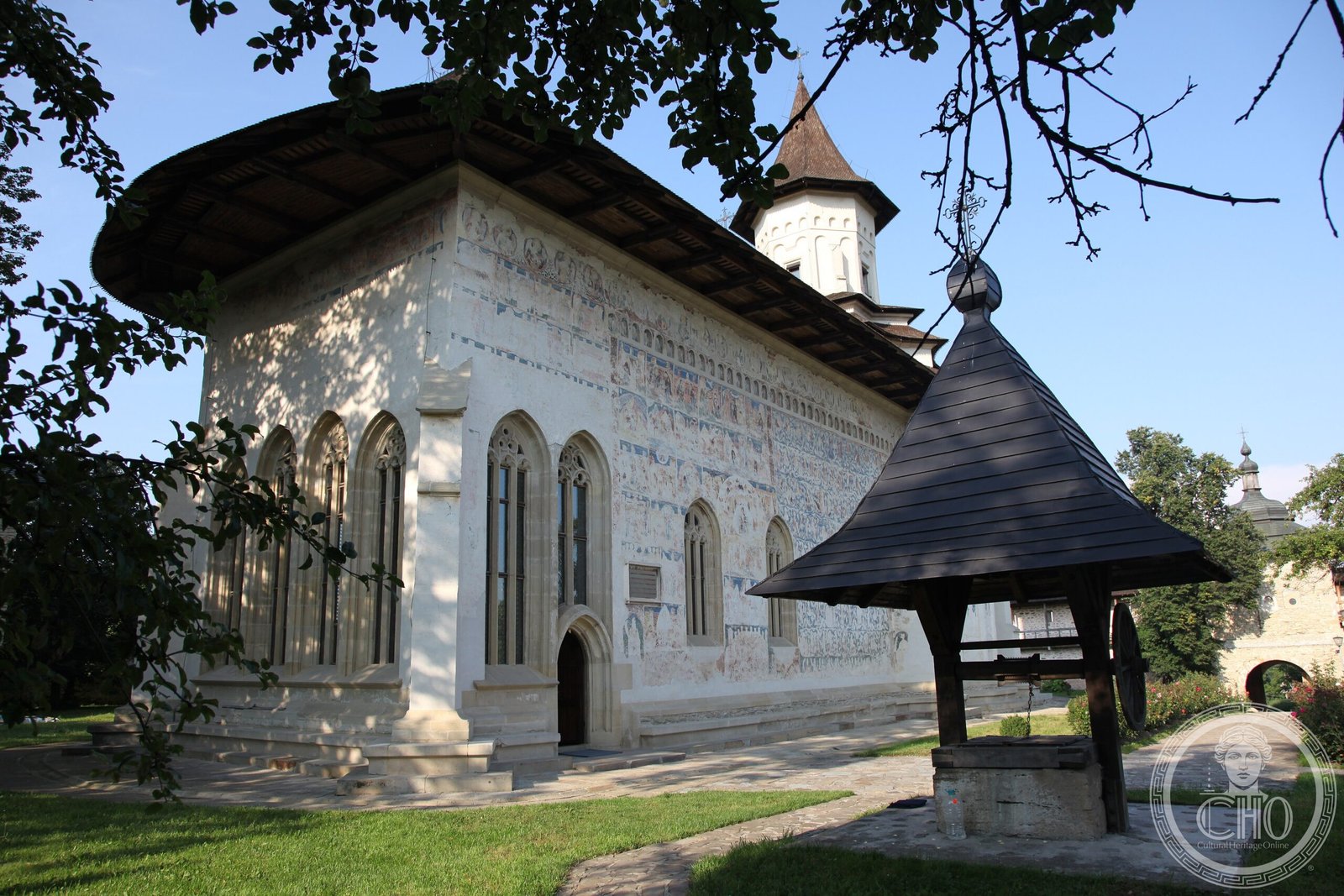
Probota Monastery
A 16th-century Romanian Orthodox monastery and part of the UNESCO-protected Churches of Moldavia ensemble.
At a glance
Probota Monastery stands in Probota village, Dolhasca town, as one of eight sacred buildings comprising the Churches of Moldavia World Heritage Site. The monastery was built in 1530 under the patronage of Peter IV Rareș, a significant figure in Moldavian history. It remains an active religious and cultural landmark, recognized by Romania’s Ministry of Culture and Religious Affairs.
History
The monastery was founded in 1530 by Peter IV Rareș, who served as ktitor—the traditional patron who commissioned its construction. This period marked a flourishing of Orthodox monastic architecture across Moldavia, as rulers invested in religious buildings as expressions of faith and dynastic power. Probota became one of eight significant churches in the region designated for UNESCO protection.
What you see
The monastery represents 16th-century Moldavian Orthodox architectural traditions. Further architectural details are not available in current sources.
Cultural significance
Probota Monastery holds importance as part of the Churches of Moldavia UNESCO World Heritage Site, a collection that documents the cultural and religious heritage of the Moldavian region. Its inclusion reflects the monastery’s architectural and historical value within the broader context of Orthodox Christian heritage in Eastern Europe.
Key facts
- Built: 1530
- Founder: Peter IV Rareș
- Location: Probota village, Dolhasca town, Suceava County, Romania
- Coordinates: 47.3750619, 26.623564
- UNESCO World Heritage Site: Churches of Moldavia
- Protected status: Historic monument (Ministry of Culture and Religious Affairs)
Practical information & getting there
Probota Monastery is located in Suceava County in northeastern Romania. For visiting hours, current access information, and travel directions, consult local tourism resources or contact the monastery directly.
Sources & resources
Find it on the map
See this place and what’s around it →📷 Diventa un fotografo di Cultural Heritage Online
Condividi le tue foto dei luoghi: restano pubblicate con la tua firma come autore. Più vengono viste, più ti fai conoscere — e presto un concorso premierà le foto più apprezzate.
Accedi o registrati gratis per aggiungere una fotoDo you manage this place?
This page is read by travellers and heritage enthusiasts who find it on Google. Keep it accurate — and make it work for you. Free for non-profit heritage institutions.