
Climats, terroirs of Burgundy
A cultural landscape of precisely delimited vineyard parcels, each shaped by distinct microclimate, soil, and geography—birthplace of the French terroir system.
At a glance
The Burgundy climats represent centuries of viticulture refinement across a patchwork of small, carefully defined land parcels. No two are identical. Each climat possesses its own microclimate, geography, soil composition, and grape variety—a philosophy that transformed how the world understands wine’s relationship to place.
History
The Burgundy region developed the terroir system—the foundational principle that a wine’s character is inseparable from its geographical origin. This concept emerged from the practical observation that even adjacent parcels of land produced distinctly different wines. The systematic mapping and naming of individual climats transformed viticulture from guesswork into a science rooted in landscape.
What you see
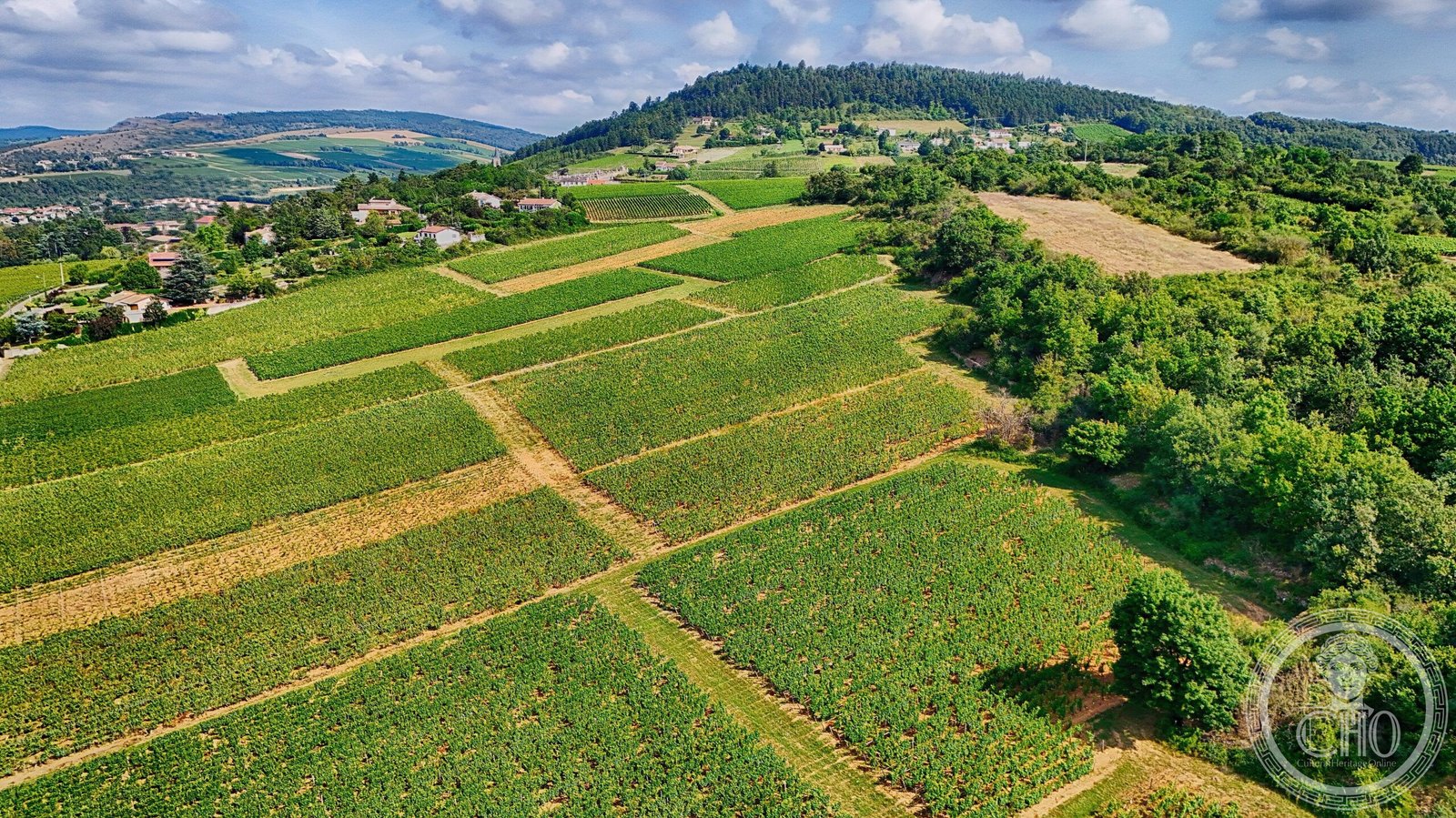
Rather than monolithic vineyards, Burgundy’s landscape is a mosaic of small, precisely delimited parcels, each marked and named. Drystone walls, hedgerows, and topographical variations define the boundaries between climates. The terraced hillsides show centuries of human labor shaped to the contours of the land. Historic stone structures and wine-making facilities dot the region.
Cultural significance
Burgundy’s climates represent humanity’s most sophisticated understanding of how environment creates flavor. The region became the template for wine classification worldwide. UNESCO recognized it in 2015 for exemplifying how cultural practice and natural geography interweave to create cultural landscape of global influence.
Key facts
- Location: Burgundy, France (47.0581°N, 4.8644°E)
- UNESCO World Heritage: inscribed 2015
- Character: cultural landscape and viticulture system
- Significance: birthplace of French terroir classification
Practical information & getting there
The Burgundy wine region extends across eastern France, centered on the towns of Dijon and Beaune. Visit during the grape harvest (September–October) to observe viticulture in action, or explore the region’s wine routes and cellar doors year-round. Wine tourism infrastructure is well-established throughout the region.
Sources & resources
Find it on the map
See this place and what’s around it →📷 Diventa un fotografo di Cultural Heritage Online
Condividi le tue foto dei luoghi: restano pubblicate con la tua firma come autore. Più vengono viste, più ti fai conoscere — e presto un concorso premierà le foto più apprezzate.
Accedi o registrati gratis per aggiungere una foto