
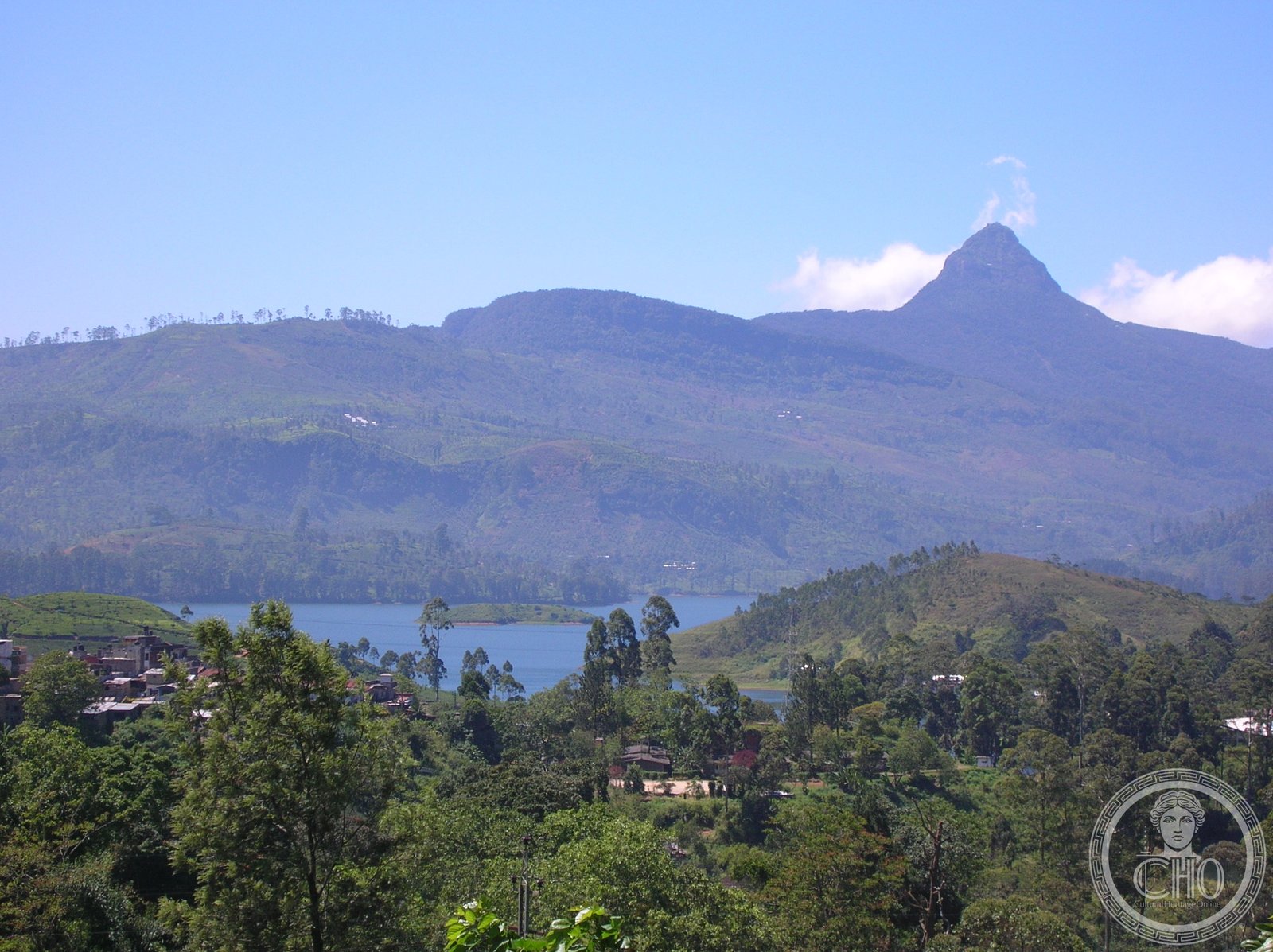
A mountain sanctuary of rain forests and cloud forests rising to 2,500 metres, protecting endemic species found nowhere else on earth.
At a glance
The Central Highlands comprise three protected zones: Peak Wilderness Protected Area, Horton Plains National Park, and Knuckles Conservation Forest. These interconnected reserves form Sri Lanka’s premier biodiversity refuge, recognized by UNESCO in 2010.
History
The Central Highlands became Sri Lanka’s first World Heritage inscription in 22 years when the World Heritage Committee designated it on 31 July 2010 during its 34th session in Brasília. Originally submitted as a mixed cultural and natural site, the Committee recognized only its natural values.
What you see
The landscape shifts with elevation: montane rain forests give way to dense cloud forests as slopes rise toward peaks exceeding 2,500 metres. Mist-wrapped ridges, cascading streams, and dense canopy characterize the higher elevations. The terrain supports pristine wilderness with minimal human infrastructure.
Cultural significance
The Central Highlands represent one of the world’s most threatened tropical forest ecosystems. The region harbors unique wildlife found nowhere else, including the bear monkey (Trachypithecus vetulus monticola), a purple-faced langur subspecies, and the critically endangered Horton Plains slender loris (Loris tardigradus nycticeboides), a subspecies of red slender loris whose status remains uncertain.
Key facts
- Country: Sri Lanka
- Coordinates: 7.45°N, 80.8°E
- Elevation: up to 2,500 metres (8,200 ft)
- UNESCO World Heritage Site: yes (designated 2010)
- Components: Peak Wilderness Protected Area, Horton Plains National Park, Knuckles Conservation Forest
Practical information & getting there
The Central Highlands lie in central Sri Lanka and are accessible from major cities via road. Horton Plains National Park offers the most visitor infrastructure. You can reach the region by vehicle from Kandy or Nuwara Eliya. Park hours and entrance fees vary by component; consult local authorities for current details.
Sources & resources
Find it on the map
See this place and what’s around it →📷 Become a Cultural Heritage Online photographer
Share your photos of places: they stay published under your name as the author. The more they're seen, the more you get noticed — and soon a contest will reward the most appreciated photos.
Log in or sign up free to add a photo