
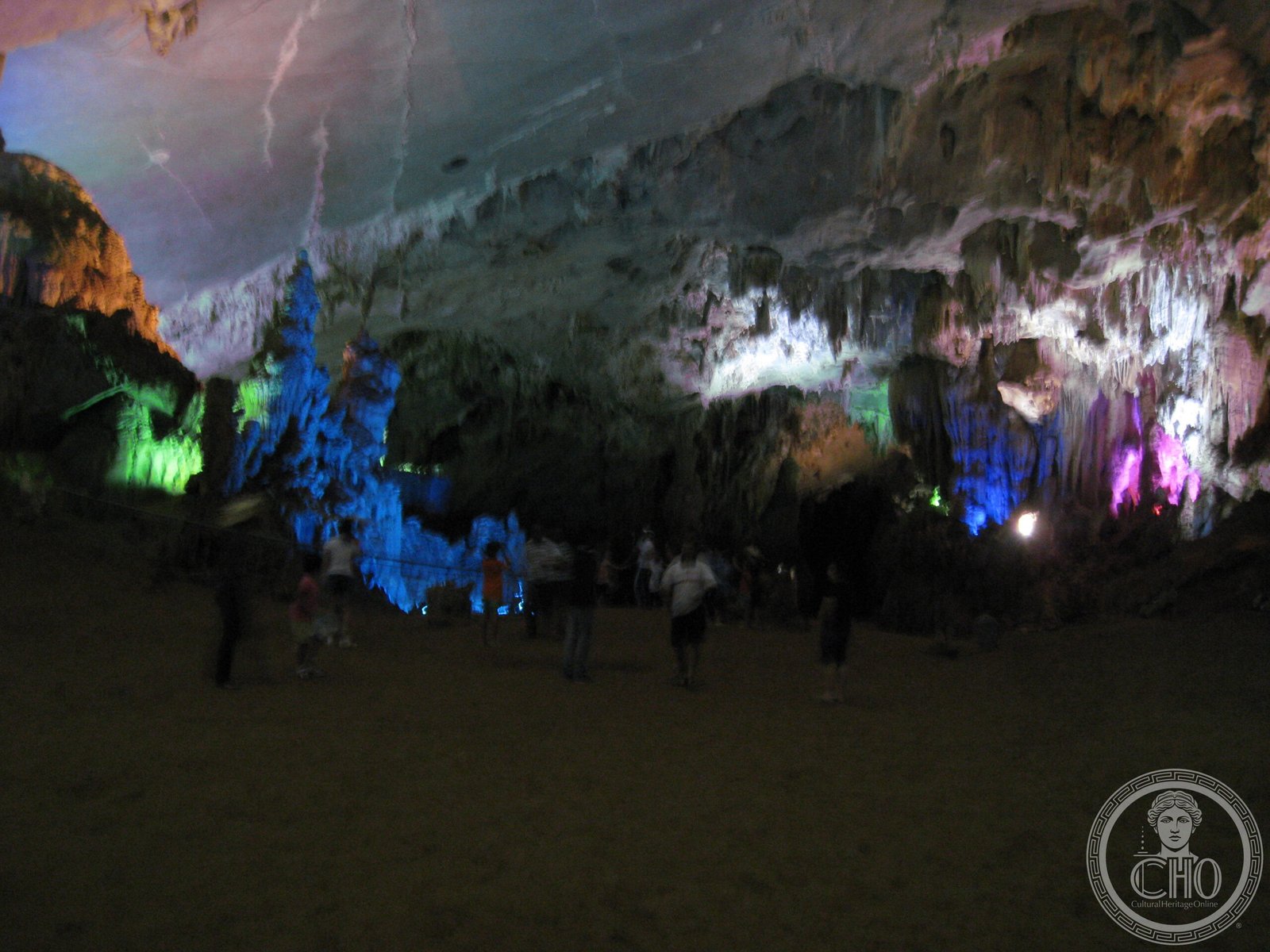
A vast limestone cavern in Vietnam’s karst landscape, Phong Nha Cave stretches over 7.7 kilometers and shelters an underground river that winds through 14 grottoes.
At a glance
Phong Nha Cave is part of Phong Nha-Kẻ Bàng National Park, a UNESCO World Heritage Site. The cave extends 7,729 meters and contains a 13,969-meter underground river. Geologists have mapped over 44.5 kilometers of passages within the broader system.
History
The cave’s formation reflects millions of years of geological activity within Vietnam’s karst terrain. Its significance as a natural monument grew with recognition of the larger national park system in which it sits.
What you see
The cave is defined by 14 distinct grottoes, with an underground river creating chambers and passages of varying scale. Stalactite and stalagmite formations line the interior. Access for visitors is restricted to the first 1,500 meters, protecting the fragile ecosystem and allowing safe exploration of the cave’s entrance chambers.
Cultural significance
Phong Nha Cave represents a major natural heritage asset within Vietnam’s protected karst landscape. The cave and its park form part of UNESCO’s recognition of exceptional biodiversity and geological value in Southeast Asia’s limestone regions.
Key facts
- Country: Vietnam
- Location: Phong Nha-Kẻ Bàng National Park, Quảng Trị Province
- Cave length: 7,729 meters
- Number of grottoes: 14
- Underground river: 13,969 meters
- Tourist access: First 1,500 meters only
- Coordinates: 17.5823815, 106.2824154
- UNESCO World Heritage Site
Practical information & getting there
Phong Nha Cave is accessible via Phong Nha-Kẻ Bàng National Park. Visitors seeking access should plan a visit during dry season for optimal conditions and contact the park for current entry procedures and guided tour availability.
Sources & resources
Find it on the map
See this place and what’s around it →
📷 Become a Cultural Heritage Online photographer
Share your photos of places: they stay published under your name as the author. The more they're seen, the more you get noticed — and soon a contest will reward the most appreciated photos.
Log in or sign up free to add a photo