
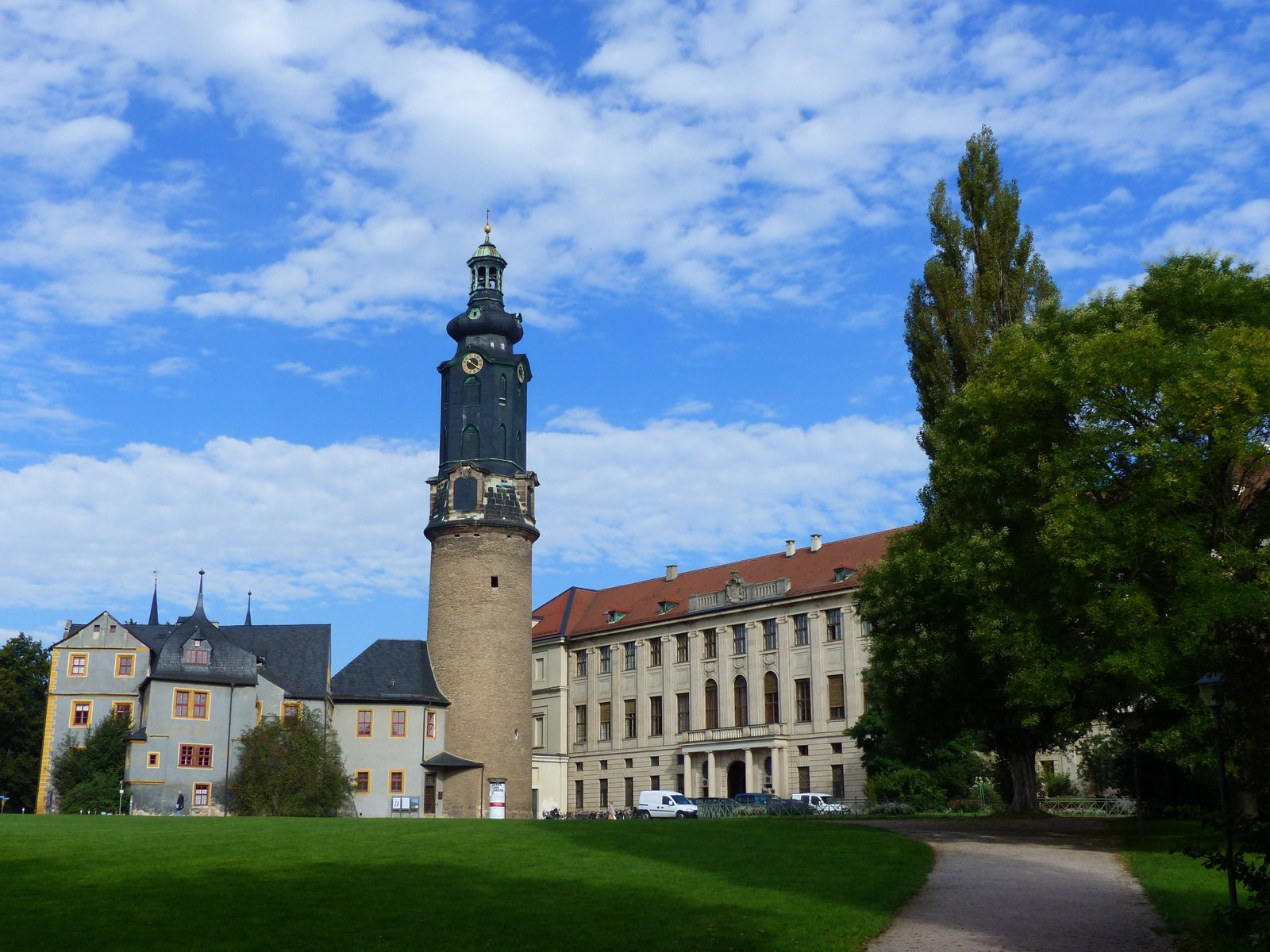
A UNESCO World Heritage ensemble of eleven sites bearing witness to Weimar’s golden age as Europe’s intellectual heart, when Goethe, Schiller, and Herder transformed the small German city into a beacon of Enlightenment thought and artistic innovation.
At a glance
Classical Weimar comprises eleven interconnected properties across and beyond the city limits, each documenting the remarkable cultural flowering that made Weimar synonymous with Classicism. The ensemble reflects the architectural and intellectual legacy of one of Europe’s most concentrated periods of creative genius, inscribed on the World Heritage List in 1998.
History
Between 1772 and 1805, Weimar became home to an extraordinary constellation of German literary and philosophical talent. Johann Wolfgang von Goethe arrived in 1775 and remained for decades, while Johann Gottfried Herder, Friedrich Schiller, and Christoph Martin Wieland each contributed transformative ideas to European thought. Together, these figures initiated and shaped the Weimar Classicism movement—a cultural phenomenon that elevated the ducal court city into continental prominence. The period coincided with the Enlightenment’s mature phase, when reason, aesthetic refinement, and humanistic values reached their fullest artistic expression.
What you see
The eleven designated properties include residences, theaters, palaces, and public gardens that embody the neoclassical ideals of the era. Each site documents the rapid architectural and urban development that accompanied Weimar’s cultural ascendancy. Together, the ensemble forms a coherent testament to how intellectual ambition shaped the physical environment—from intimate literary workspaces to grand civic structures designed to reflect Enlightenment principles of order and beauty.
Cultural significance
Classical Weimar stands as an unparalleled record of how a single city nurtured the creative output that would define German—and European—modernity. Goethe’s influence extended across literature, science, and philosophy; Schiller’s dramatic works revolutionized theater; Herder’s ideas shaped nationalism and cultural history itself. The architectural legacy crystallizes this intellectual moment into stone and space, making Weimar a tangible archive of the Enlightenment’s highest aspirations and most enduring achievements.
Key facts
- Country: Germany
- City: Weimar
- Coordinates: 50.9775°N, 11.32861°E
- UNESCO World Heritage Site: Inscribed 2 December 1998
- Site composition: Eleven properties in and around Weimar
Practical information & getting there
Weimar is located in Thuringia in central Germany and is well connected by rail and road. The eleven heritage properties are distributed throughout the city; a structured walking route helps visitors experience the full ensemble. Individual sites maintain varying hours; check locally before planning visits to specific locations. The UNESCO inscription recognizes the sites as a unified heritage ensemble rather than a single monument.
Sources & resources
- Classical Weimar – Wikipedia
- Cultural Heritage Online
Find it on the map
See this place and what’s around it →
📷 Become a Cultural Heritage Online photographer
Share your photos of places: they stay published under your name as the author. The more they're seen, the more you get noticed — and soon a contest will reward the most appreciated photos.
Log in or sign up free to add a photo