
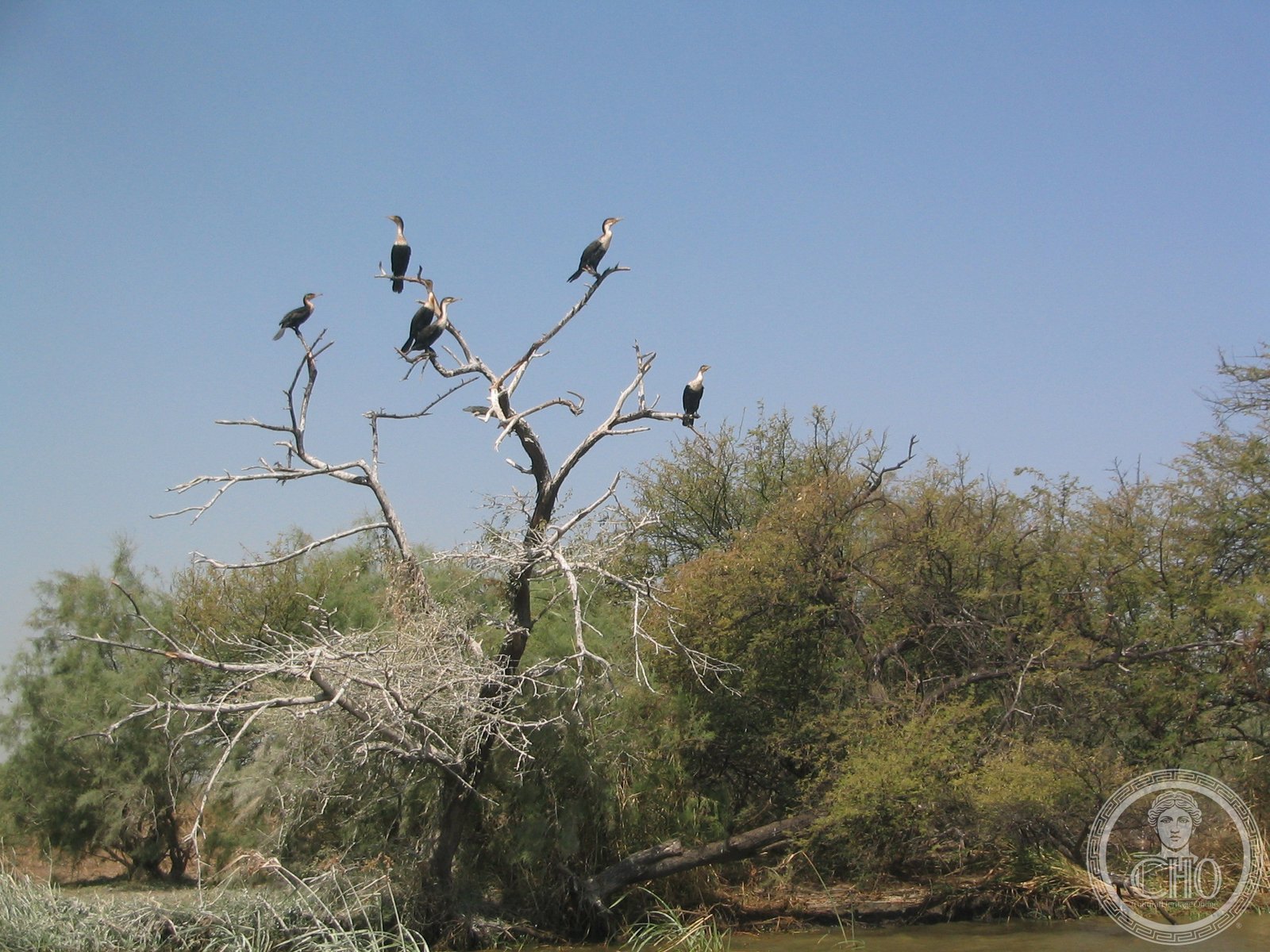
A critical wetland refuge on the Senegal River where nearly 400 bird species—including pelicans, flamingos, and migratory warblers from Europe—find sanctuary after crossing the Sahara.
At a glance
Djoudj protects a mosaic of wetland habitats along the southeast bank of the Senegal River, approximately northeast of St-Louis. The park functions as the single most important wintering site for aquatic warblers migrating from Europe—a distinction of profound ecological significance.
History
The sanctuary was designated a UNESCO World Heritage Site, recognizing its international importance for migratory bird conservation. In 1984, the site was added to the World Heritage in Danger list following the introduction of giant salvinia, an invasive aquatic plant threatening the park’s native vegetation and ecological balance. Conservation efforts proved successful; the sanctuary was removed from the endangered list in 2006.
What you see
The park comprises shallow lagoons, marshes, and waterways supporting diverse wetland ecosystems. Visitors encounter vast congregations of pelicans and flamingos, their brilliant plumage dominating the landscape. The quieter but equally remarkable presence includes thousands of aquatic warblers, whose small frames and subtle coloration reward patient observation.
Cultural significance
Djoudj represents a vital biological corridor for Palearctic bird migration. The park’s role as the primary wintering habitat for European aquatic warblers underscores its irreplaceable position in global avian ecology. The sanctuary demonstrates both the fragility of wetland ecosystems and the possibility of ecological restoration through dedicated management.
Key facts
- Location: Southeast bank of the Senegal River, northern Biffeche, Senegal
- Coordinates: 16.358°N, 16.274°W
- Nearly 400 bird species recorded
- UNESCO World Heritage Site (inscribed 1984, removed from Danger list 2006)
Practical information & getting there
The sanctuary lies northeast of St-Louis in northern Senegal. Contact local tourism authorities in St-Louis for current visiting conditions, guided tours, and best seasons for bird observation. Peak migration periods offer the richest wildlife encounters.
Sources & resources
Find it on the map
See this place and what’s around it →📷 Become a Cultural Heritage Online photographer
Share your photos of places: they stay published under your name as the author. The more they're seen, the more you get noticed — and soon a contest will reward the most appreciated photos.
Log in or sign up free to add a photo