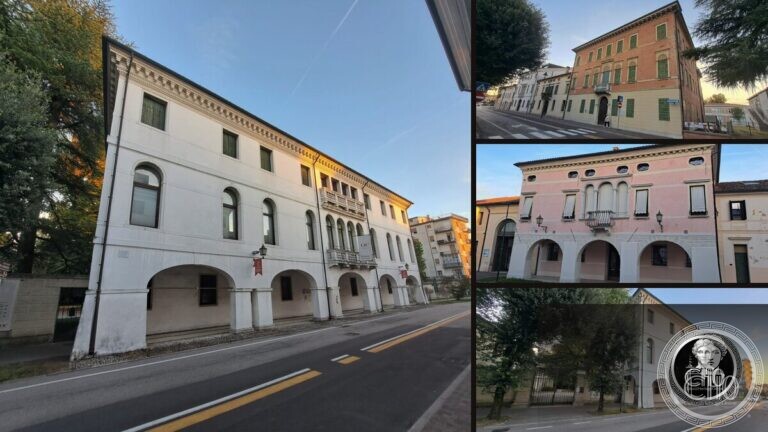
The closest World Heritage property to the Hidden Christian Sites in the Nagasaki Region is another Japanese cultural site, Sites of Japan’s Meiji Industrial Revolution: Iron and Steel, Shipbuilding and Coal Mining, at 0 km. The Sacred Island of Okinoshima and Associated Sites in the Munakata Region lies 107 km away. The Hidden Christian Sites themselves, inscribed in 2018, preserve the record of a faith that endured more than two centuries of official prohibition.
The World Heritage sites nearest to the Hidden Christian Sites
The distances below are straight lines between the reference points that UNESCO publishes for each property, measured to the nearest component of a serial site. They tell you what is close. They do not tell you how long the road takes, which depends on the season and the route.
| Site | Country | Distance | Inscribed | Type |
|---|---|---|---|---|
| Sites of Japan’s Meiji Industrial Revolution: Iron and Steel, Shipbuilding and Coal Mining | Japan | 0 km | 2015 | Cultural |
| Sacred Island of Okinoshima and Associated Sites in the Munakata Region | Japan | 107 km | 2017 | Cultural |
| Jeju Volcanic Island and Lava Tubes | Republic of Korea | 195 km | 2007 | Natural |
| Gaya Tumuli | Republic of Korea | 207 km | 2023 | Cultural |
| Yakushima | Japan | 227 km | 1993 | Natural |
| Getbol, Korean Tidal Flats | Republic of Korea | 229 km | 2021 | Natural |
The nearest sites trace two different histories around the Sea of Japan and the Korean Strait. The Meiji Industrial Revolution series records Japan’s rapid industrialisation from the mid-19th century, the same moment when the ban on Christianity ended and Hidden Christian communities emerged from secrecy. The Sacred Island of Okinoshima preserves a much older ritual tradition, with archaeological deposits from the 4th to the 9th centuries showing exchanges across the Korean Peninsula and the Asian continent. The Korean sites further south, including the Gaya Tumuli and Jeju’s volcanic landscapes, belong to a different cultural and geological sphere.
A faith kept alive in villages and on islands
The property comprises twelve components spread across Nagasaki and Kumamoto prefectures on Kyushu Island: ten villages, the remains of Hara Castle, and one cathedral. They date from between the 17th and 19th centuries. They reflect the period when the Christian faith was forbidden, and the revival of Christian communities after the official lifting of that ban in 1873. Hidden Christians survived as small communities along the seacoast or on remote islands where they had moved during the prohibition.
UNESCO’s case for inscription rests on that survival. The villages and other components bear unique witness to a religious tradition maintained by people who passed on their Christian faith secretly during more than two centuries of prohibition. The property is protected under national laws including the Law for the Protection of Cultural Properties, with buffer zones covered by the Landscape Act and other relevant regulations.
What do the twelve components include?
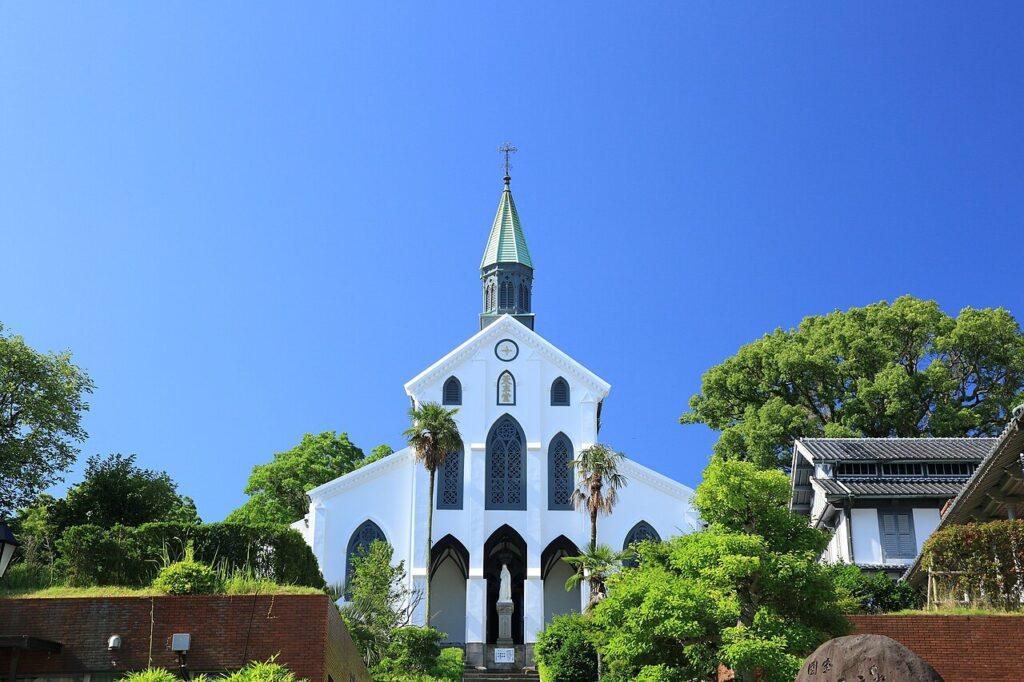
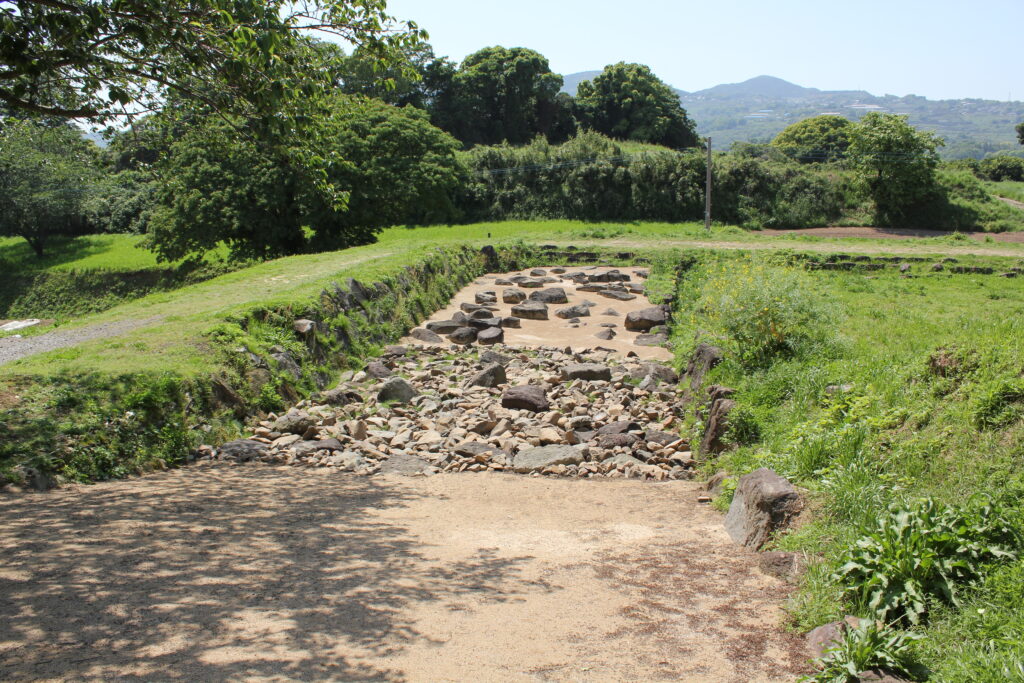
The twelve components are not a single monument but a landscape of faith. Ten are villages where Hidden Christians lived and worshipped in secret, often in remote coastal or island settings where they could escape the attention of authorities. One is an archaeological site, the remains of Hara Castle, associated with a large peasant uprising in 1638. The final component is Oura Cathedral in Nagasaki City.
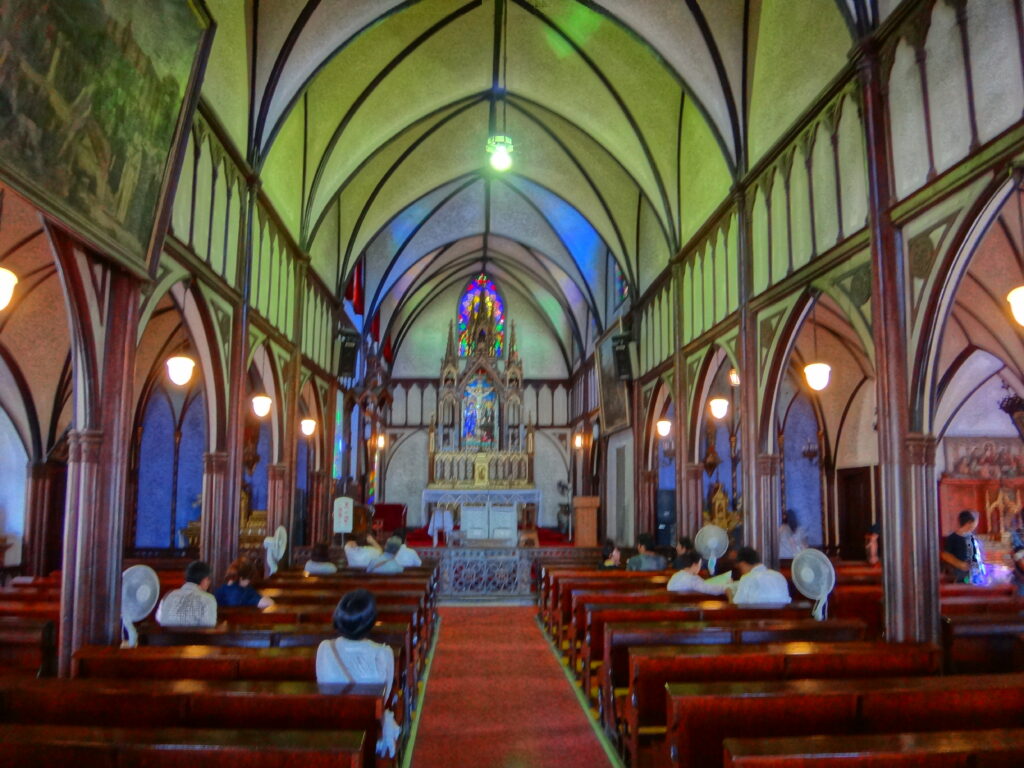
UNESCO notes that each component maintains a high degree of authenticity. The villages retain their form and design, use and function, traditions, techniques and management systems, location and setting, and spirit and feeling. The remains of Hara Castle have lost their authenticity related to use and function because they are an archaeological site, though other attributes remain intact. Two architectural works, the cathedral in Nagasaki and the Egami Church on Naru Island, also preserve their materials and substance.
Frequently Asked Questions
Which UNESCO World Heritage sites are near the Hidden Christian Sites in the Nagasaki Region?
The nearest is Sites of Japan’s Meiji Industrial Revolution: Iron and Steel, Shipbuilding and Coal Mining at 0 km. The Sacred Island of Okinoshima is 107 km away. Further out are Jeju Volcanic Island and Lava Tubes (195 km), Gaya Tumuli (207 km), Yakushima (227 km) and Getbol, Korean Tidal Flats (229 km).
When was the Hidden Christian Sites in the Nagasaki Region inscribed on the World Heritage List?
It was inscribed in 2018 under criterion (iii) because it bears unique testimony to a religious tradition nurtured by Hidden Christians who secretly transmitted their faith during more than two centuries of prohibition, from the 17th to the 19th century.
What are the components of the Hidden Christian Sites?
The serial property comprises twelve components: ten villages, the remains of Hara Castle, and one cathedral. They date from between the 17th and 19th centuries and are located in Nagasaki and Kumamoto prefectures on the island of Kyushu.
What is the oldest standing church in Japan?
Oura Cathedral, also known as Oura Catholic Church, is the oldest standing church in Japan. It is one of the twelve components of the Hidden Christian Sites in the Nagasaki Region.
Sources
- UNESCO World Heritage Centre — Hidden Christian Sites in the Nagasaki Region (inscribed 2018). https://whc.unesco.org/en/list/1495/
- UNESCO World Heritage Centre — Sites of Japan’s Meiji Industrial Revolution: Iron and Steel, Shipbuilding and Coal Mining (inscribed 2015). https://whc.unesco.org/en/list/1484/
- UNESCO World Heritage Centre — Sacred Island of Okinoshima and Associated Sites in the Munakata Region (inscribed 2017). https://whc.unesco.org/en/list/1535/
- Japan Guide — Hidden Christian sites in Nagasaki and Amakusa region. https://www.japan-guide.com/e/e2253.html
- The Government of Japan — Relics of a Hidden Christian Past in the Nagasaki Region (2018). https://www.japan.go.jp/tomodachi/2018/Summer2018/relics_of_a_hidden_christian_past.html
Spotted an error? Write to [email protected] and we correct it the same day.