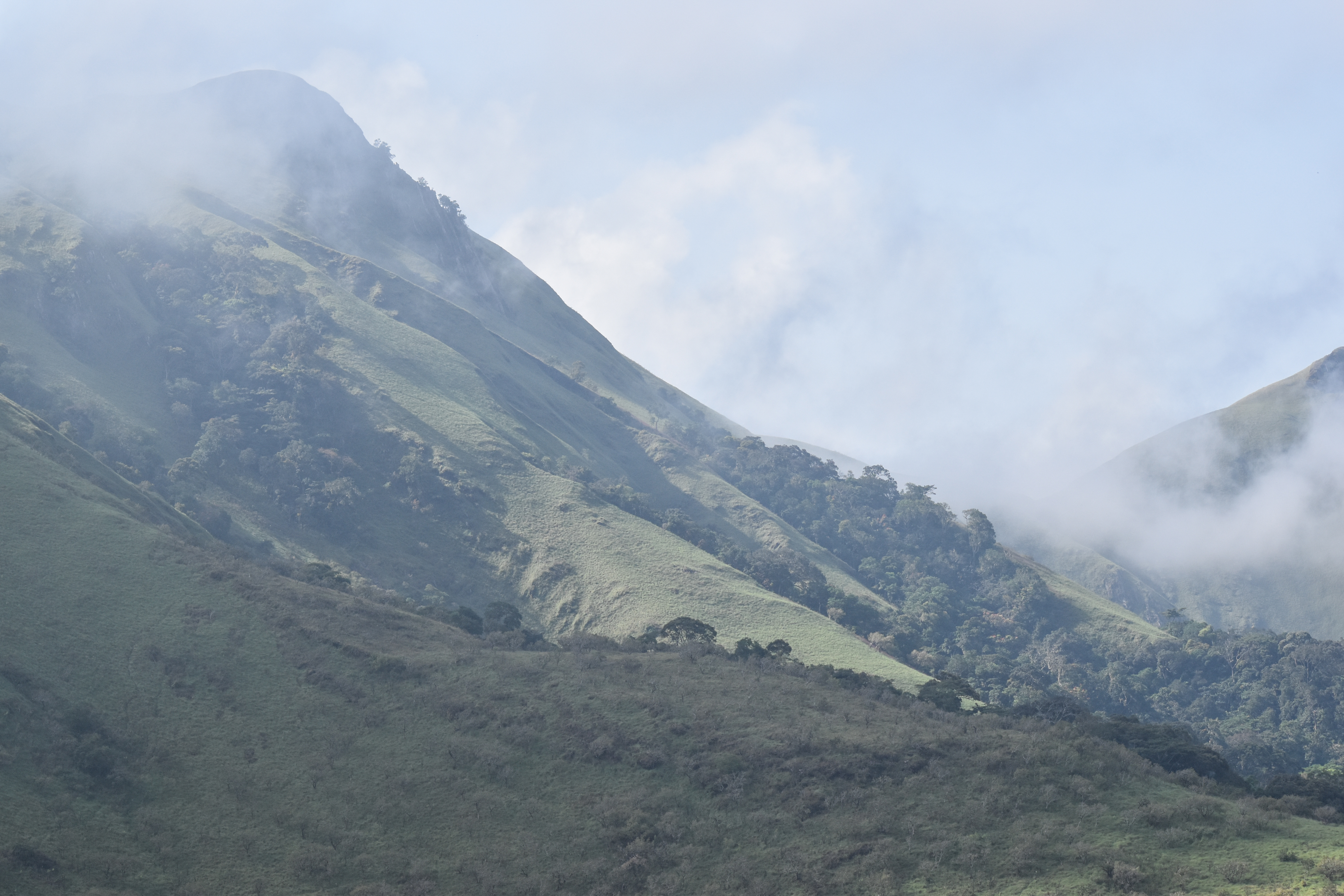
Guinea has one UNESCO World Heritage Site — the Mount Nimba Strict Nature Reserve, a cloud-forested massif rising to 1,752 metres on the borders of Guinea, Côte d’Ivoire and Liberia. It lies more than 900 kilometres from Conakry, but its ecological significance — home to species found nowhere else on earth — makes it worth understanding before any journey to Guinea’s far southeast. From Cultural Heritage Online.
Mount Nimba Strict Nature Reserve ~900 km — 12+ hr by road or 2 hr flight to Nzérékoré
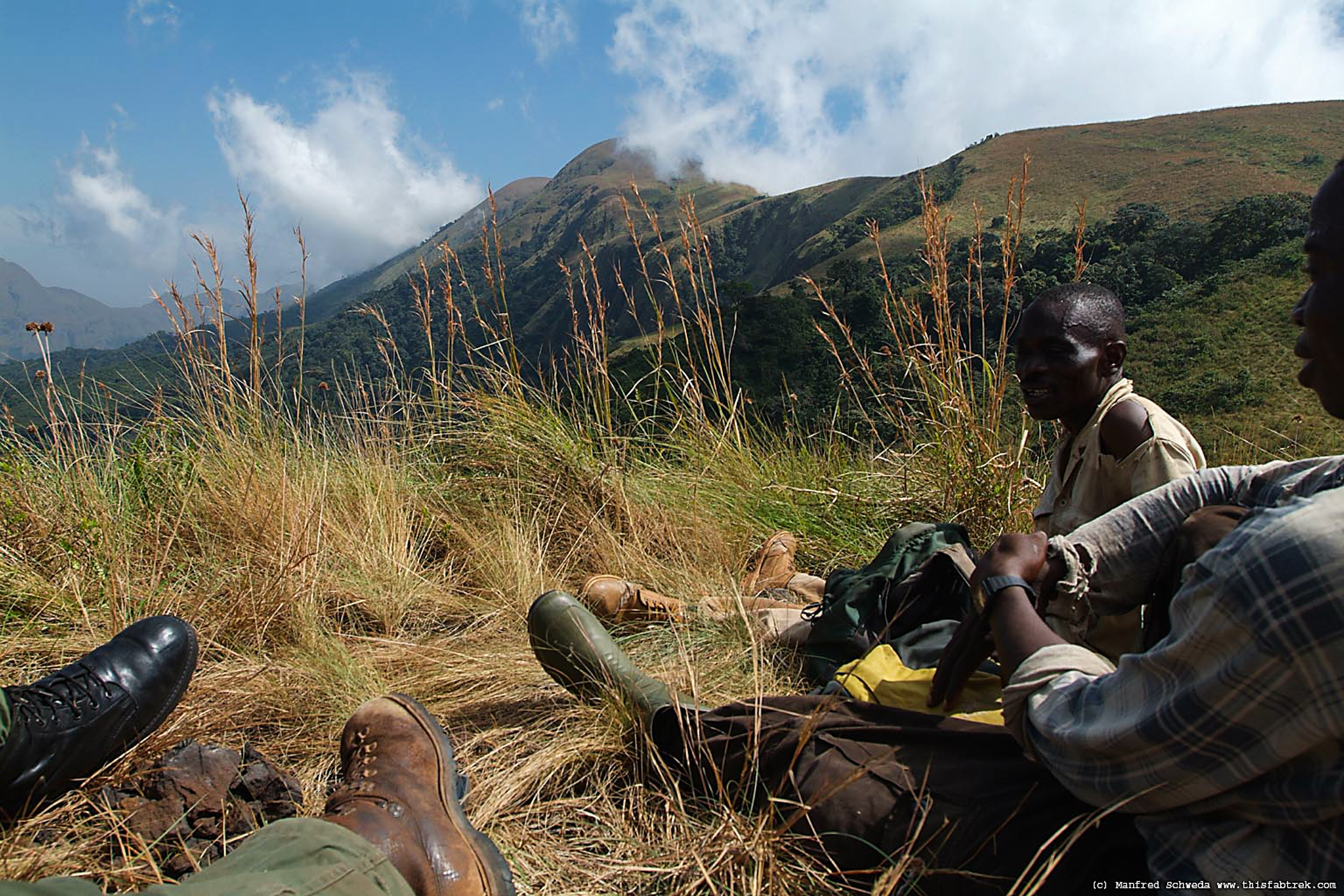
The Mount Nimba massif rises abruptly from the surrounding West African lowlands — a geological island of altitude in a region dominated by dense equatorial forest and savanna. The reserve spans roughly 17,540 hectares across three countries, with the largest portion lying in Guinea near the town of Lola. At 1,752 metres, the summit is the highest point in both Guinea and Côte d’Ivoire, and the dramatic elevation gradient — from lowland forest at around 500 metres to open montane grassland at the top — produces a layered mosaic of habitats that supports extraordinary biodiversity. More than 2,000 plant species have been recorded within the reserve, approximately 200 of them endemic to the massif itself.
The reserve was first inscribed on the UNESCO World Heritage List in 1981 and extended across the Guinean and Ivorian portions in 1982. It is one of only a handful of strictly protected nature reserves in West Africa, a category that — in principle — excludes human settlement and extractive activity entirely. The viviparous toad (Nimbaphrynoides occidentalis) became the reserve’s best-known emblem: it is the only known frog or toad in the world that gives birth to live young rather than laying eggs, and it lives exclusively on Mount Nimba’s upper grasslands. Chimpanzees in the Bossou Hills adjacent to the reserve have been studied for decades and are noted for their use of stone tools to crack palm nuts — one of the most documented examples of non-human tool use in the wild.
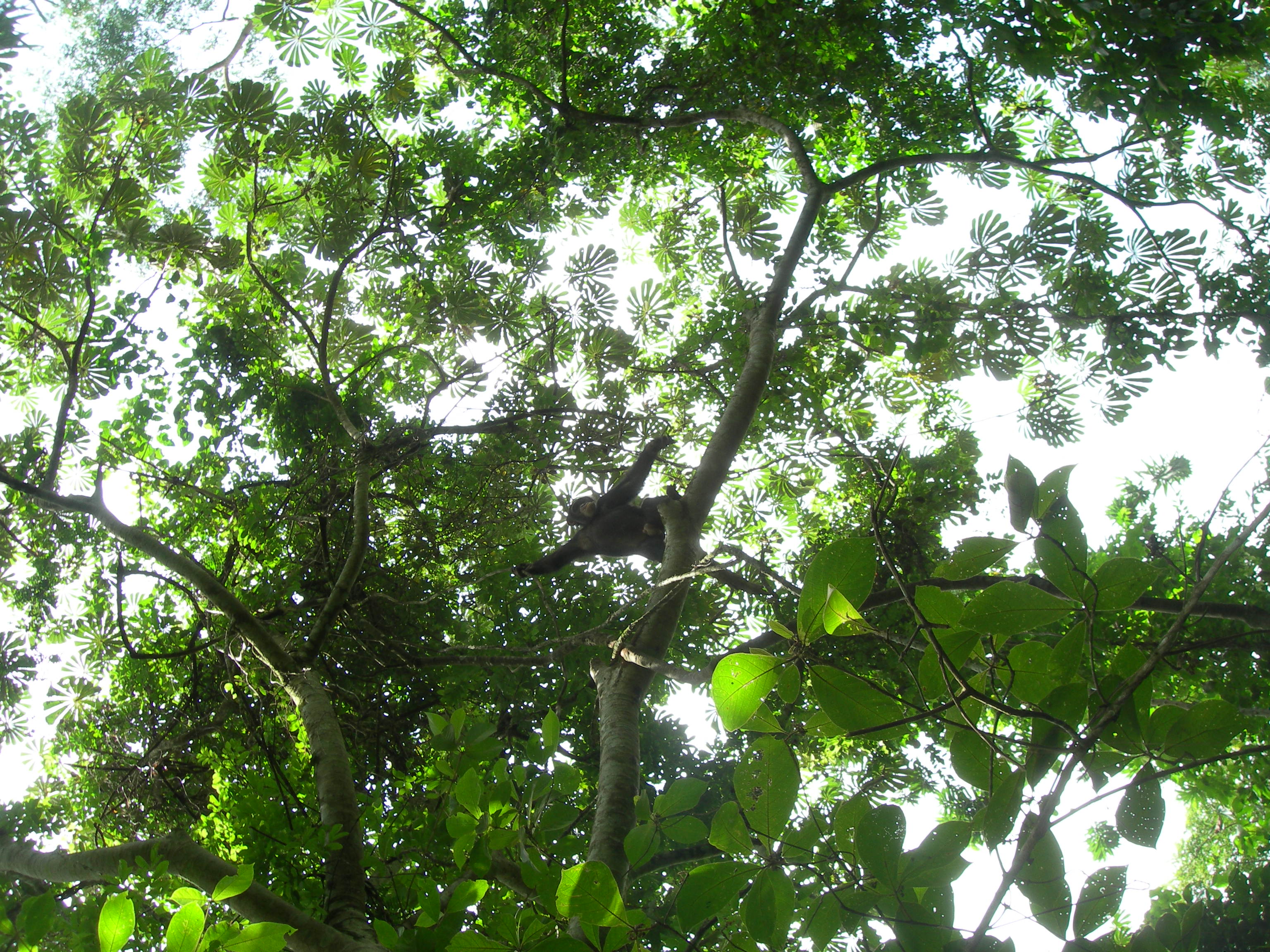
Since 1992, the reserve has been on the UNESCO List of World Heritage in Danger. The primary threat is iron ore: the Nimba massif sits above one of the richest iron ore deposits in West Africa, and a proposed open-cast mine at the Guinean side of the mountain would, if developed, alter the hydrology and forest cover of a significant portion of the inscribed area. Mining concessions on the reserve’s borders have been active at intervals since the 1950s, and the pressure has not diminished. The Liberian portion of the reserve was excluded from the original inscription specifically because of existing mining activity. Conservation organisations and UNESCO’s World Heritage Committee have repeatedly called for the mine plans to be suspended, but the economic stakes — Guinea holds some of the world’s largest bauxite and iron reserves — make the political calculation difficult. Visitors today encounter a reserve that is at once intact enough to be astonishing and fragile enough to warrant concern about its long-term survival.
Getting there: From Conakry, take a domestic flight with Air Guinée or charter to Nzérékoré (roughly 2 hours), then travel by road approximately 90 km northwest to Lola, the gateway town for the reserve. Road travel the entire distance from Conakry (N1 to N2, through Mamou, Faranah and Kissidougou) takes 12 hours or more in good conditions — conditions that are rarely good on the southeastern route. A 4WD vehicle is essential. Allow: Minimum 3 days once at Lola to reach the upper reserve and spend meaningful time there; 5–7 days for the full altitudinal transect. Best for: Naturalists, ornithologists and serious trekkers prepared for remote travel with minimal infrastructure.
Frequently Asked Questions
How many UNESCO World Heritage Sites are near Conakry?
Guinea has one UNESCO World Heritage Site — the Mount Nimba Strict Nature Reserve, shared with Côte d’Ivoire. It is located in the far southeast of the country, roughly 900 kilometres from Conakry. There are no inscribed World Heritage Sites in or adjacent to the capital itself.
Is it possible to visit Mount Nimba independently?
Independent travel is possible but demanding. The reserve falls under the Direction Nationale des Eaux et Forêts and entry requires a permit, which is best arranged through the regional office in Nzérékoré or via a licensed Guinean tour operator. There is limited accommodation in Lola; camping within or at the edge of the reserve is the norm for multi-day visits. Guides with local knowledge of the trails are strongly recommended given the terrain and the absence of marked paths at higher elevations.
What is the best season to visit Mount Nimba?
The dry season, from November to March, is generally the most practical time to visit. The upper grasslands remain accessible, forest tracks are passable, and the risk of being stranded by washed-out roads is significantly lower. The wet season (April to October) transforms the montane forest into a spectacular cloud-shrouded environment, but road conditions from Conakry and even from Nzérékoré to Lola can become impassable for days at a time after heavy rain.
Why is Mount Nimba on the UNESCO Danger List?
Mount Nimba has been on the UNESCO List of World Heritage in Danger since 1992, primarily because of proposals to develop large-scale open-cast iron ore mining within and adjacent to the inscribed area. The Nimba massif contains one of West Africa’s most significant iron ore deposits. Mining activity on the Liberian side of the mountain predates the UNESCO inscription, and successive concession agreements on the Guinean portion have raised concern that extraction could irreversibly alter the reserve’s hydrology, forest cover, and the high-altitude grassland habitats on which endemic species such as the viviparous toad depend.
Sources
- S1 — Lamotte, Maxime. Le Mont Nimba: Réserve de biosphère. UNESCO Publishing, 1998. ISBN 978-92-3-203512-7.
- S2 — Reader, John. Africa: A Biography of the Continent. Alfred A. Knopf, 1998. ISBN 978-0-679-40979-3.
Spotted an error? Write to editorial@culturalheritageonline.com and we correct it the same day.