Jamaica’s only UNESCO World Heritage Site rises 30 kilometres northeast of Kingston — a mountain wilderness that shelters endemic species found nowhere else on Earth and the living culture of the Maroons, communities who won their freedom from colonial rule through the forest itself. From Cultural Heritage Online.
Blue and John Crow Mountains 30 km northeast — 1 hr by car
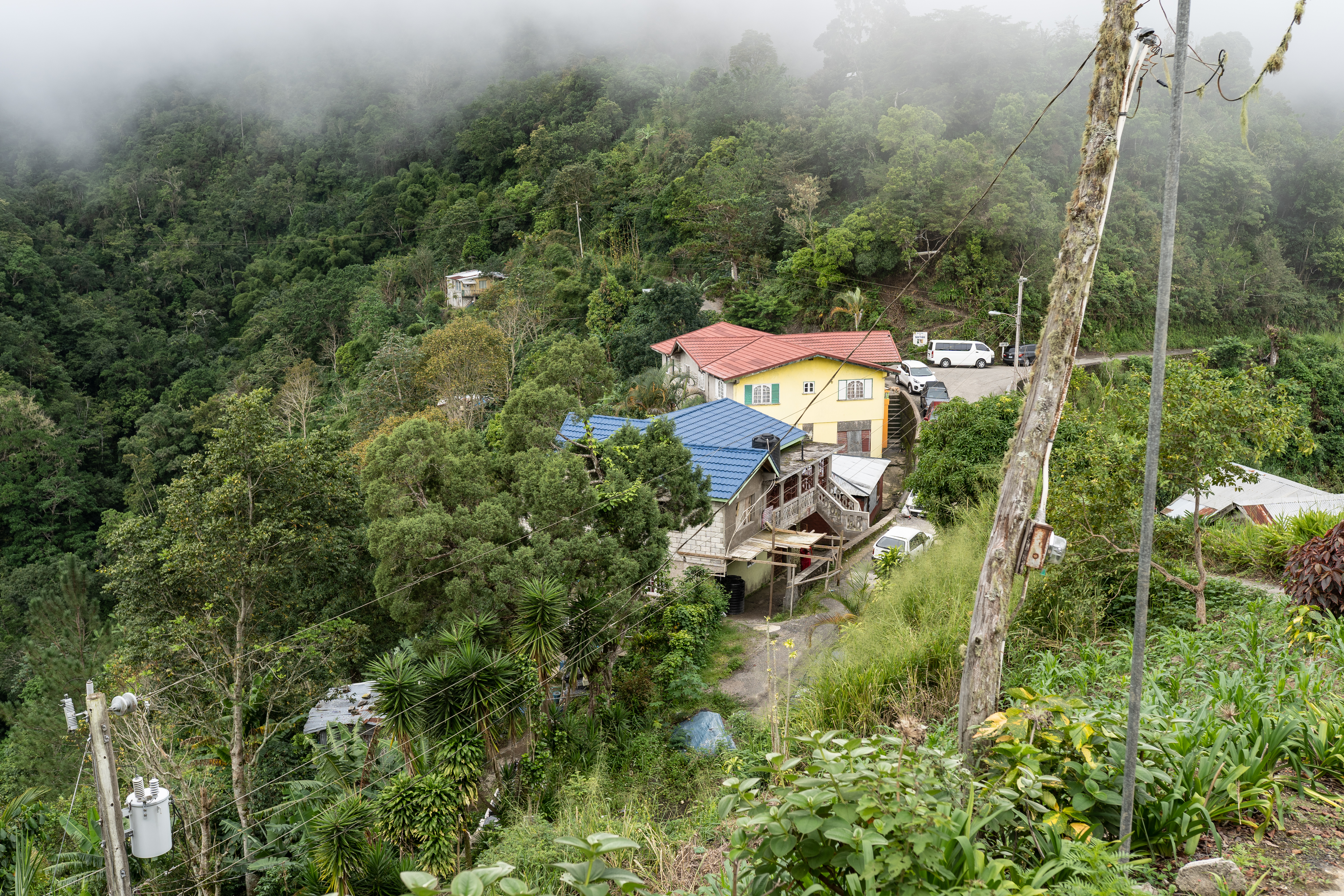
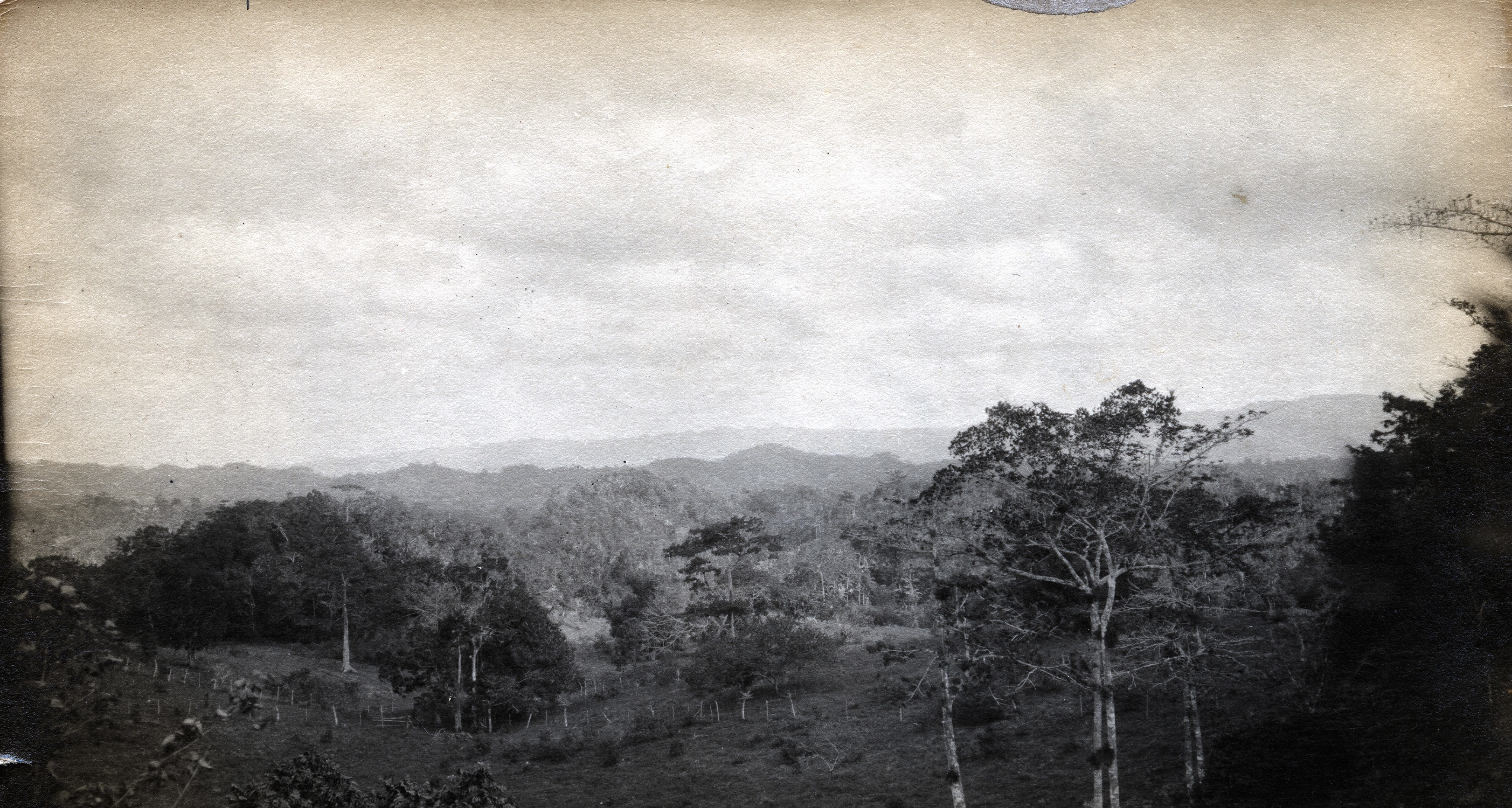
Inscribed in 2015 as a mixed cultural and natural site, the Blue and John Crow Mountains National Park covers approximately 26,000 hectares across the eastern end of Jamaica. The two ranges are ecologically distinct: the Blue Mountains form the island’s primary watershed, feeding the rivers that supply Kingston’s water, while the John Crow Mountains to the east are a limestone massif draped in dense, cloud-soaked rainforest. Together they constitute one of the most biodiverse island ecosystems in the Caribbean, with 28 species of endemic plants, the Jamaica blackbird, the Jamaican owl, and a butterfly fauna that includes several Morpho species. Certain forest communities here trace their origins to the Cretaceous Period, when the Caribbean served as a refuge zone as continental flora changed around it.
The John Crow Mountains carry an equally significant human history. During both the Spanish and British colonial periods, enslaved Africans escaped their captors and retreated into these near-impenetrable highlands, where they formed the communities known as the Windward Maroons. For more than 150 years they held colonial forces at bay through guerrilla tactics that exploited knowledge of the mountain terrain. The 1739 Peace Treaty formally recognised Maroon sovereignty over their territories — a recognition without parallel in the colonial Caribbean. The Maroon communities of Moore Town and Charles Town remain within the inscribed area today. Their cultural traditions — including the Kromanti spirit possession ceremonies and the Kumina tradition — and their deep knowledge of the forest’s medicinal plants survive as a living heritage that is inseparable from the landscape that protected them.
The summit of Blue Mountain Peak reaches 2,256 metres, making it the highest point in Jamaica. The standard ascent follows a 9-kilometre trail from Penlyne Castle; hikers typically depart at 2:00 AM to arrive at the summit at sunrise, when visibility on clear mornings stretches to Cuba. The mountain slopes also host the Blue Mountain coffee micro-region, which produces one of the most expensive commercially cultivated coffees in the world — a crop whose quality depends directly on the altitude, cloud cover, and cool temperatures that the UNESCO-protected forest sustains.
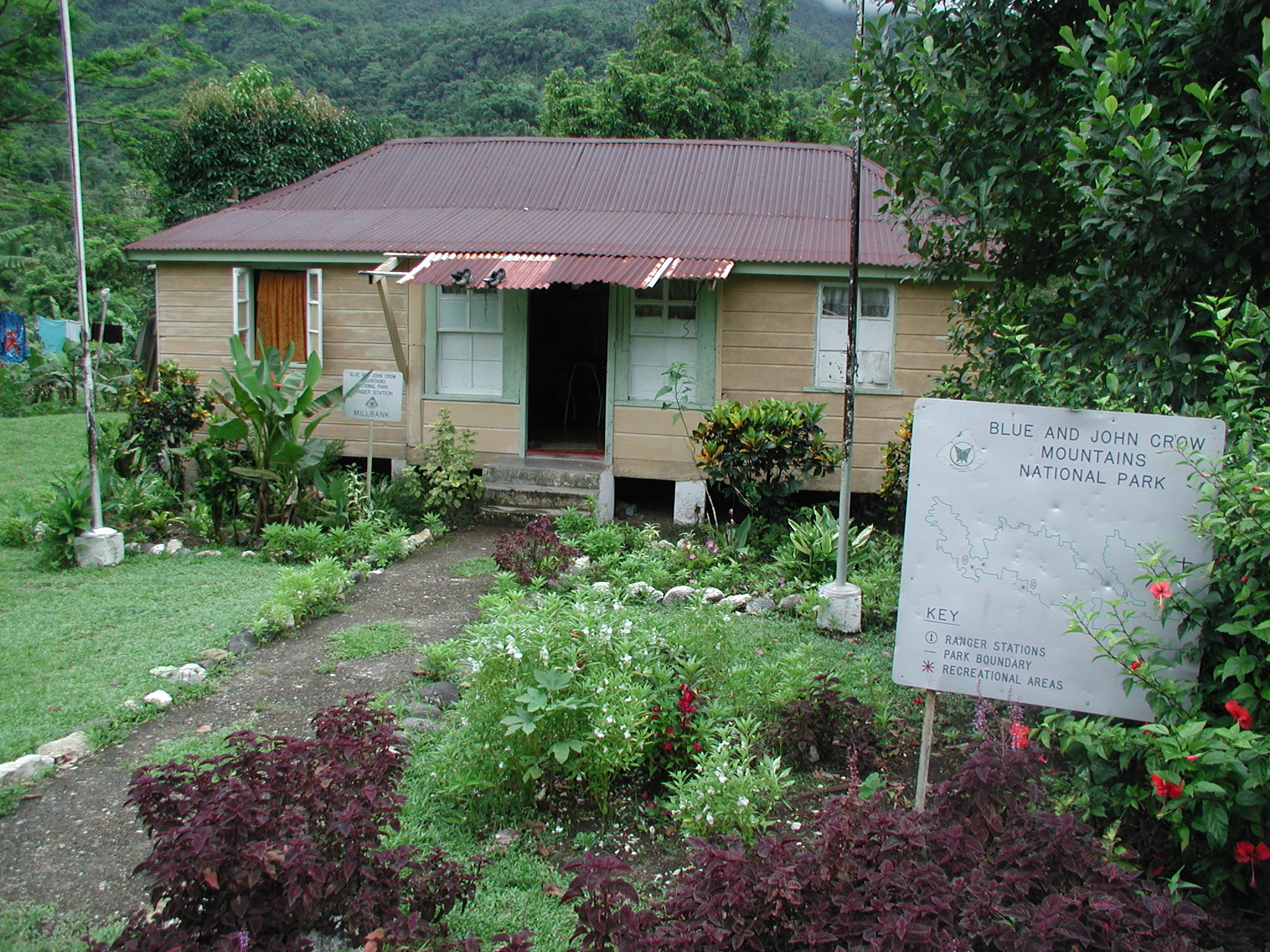
Getting there: Drive northeast from Kingston via the Gordon Town Road (B1) toward Mavis Bank or Newcastle; a 4WD vehicle is recommended for upper mountain tracks. Organised guided hikes from Kingston operators typically include transport and a pre-dawn start. Public route taxis run as far as Gordon Town. Allow: A full day for the Blue Mountain Peak hike (8–10 hours round trip from Penlyne Castle); half a day for lower-elevation forest walks and coffee estate visits near Newcastle and Irish Town. Best for: Hikers, birders, cultural heritage travellers interested in Maroon history, and visitors seeking a complete contrast to Kingston’s urban energy.
Frequently Asked Questions
How many UNESCO World Heritage Sites are near Kingston?
There is one UNESCO World Heritage Site near Kingston: the Blue and John Crow Mountains National Park, inscribed in 2015 as a mixed cultural and natural site. It is Jamaica’s only UNESCO inscription.
How do I get to Blue Mountain Peak from Kingston?
Drive northeast from Kingston along the B1 road through Gordon Town and Mavis Bank to Penlyne Castle, the standard trailhead for the summit. The drive takes roughly 1.5 to 2 hours depending on road conditions. Most visitors arrange a guided hike with a Kingston-based operator who provides transport, a pre-dawn departure, and a guide familiar with the trail. A 4WD vehicle is strongly advised for the upper sections of the approach road.
What is the best time of year to visit the Blue Mountains?
The Blue Mountains are accessible year-round, but the clearest summit views tend to occur between November and April, during Jamaica’s drier season. The summer months (June to October) bring heavier rainfall and more persistent cloud, which affects visibility at altitude. Birdwatchers often favour the early months of the year when forest activity is highest. Coffee harvest runs from August through March, making that period ideal if a Blue Mountain estate visit is part of the itinerary.
Who are the Maroons and why are they central to the UNESCO inscription?
The Maroons are the descendants of enslaved Africans who escaped captivity during the Spanish and British colonial periods and established self-governing communities in the mountains of Jamaica’s interior. The Windward Maroons of the eastern highlands — based in communities such as Moore Town and Charles Town, both within the inscribed area — resisted British military campaigns for over 150 years. The 1739 Peace Treaty formally recognised their independence and territorial rights. UNESCO’s cultural inscription recognises the continuing traditions of the Maroon communities, including Kromanti spiritual ceremonies and a living body of forest knowledge, as inseparable from the natural landscape that made their freedom possible.