
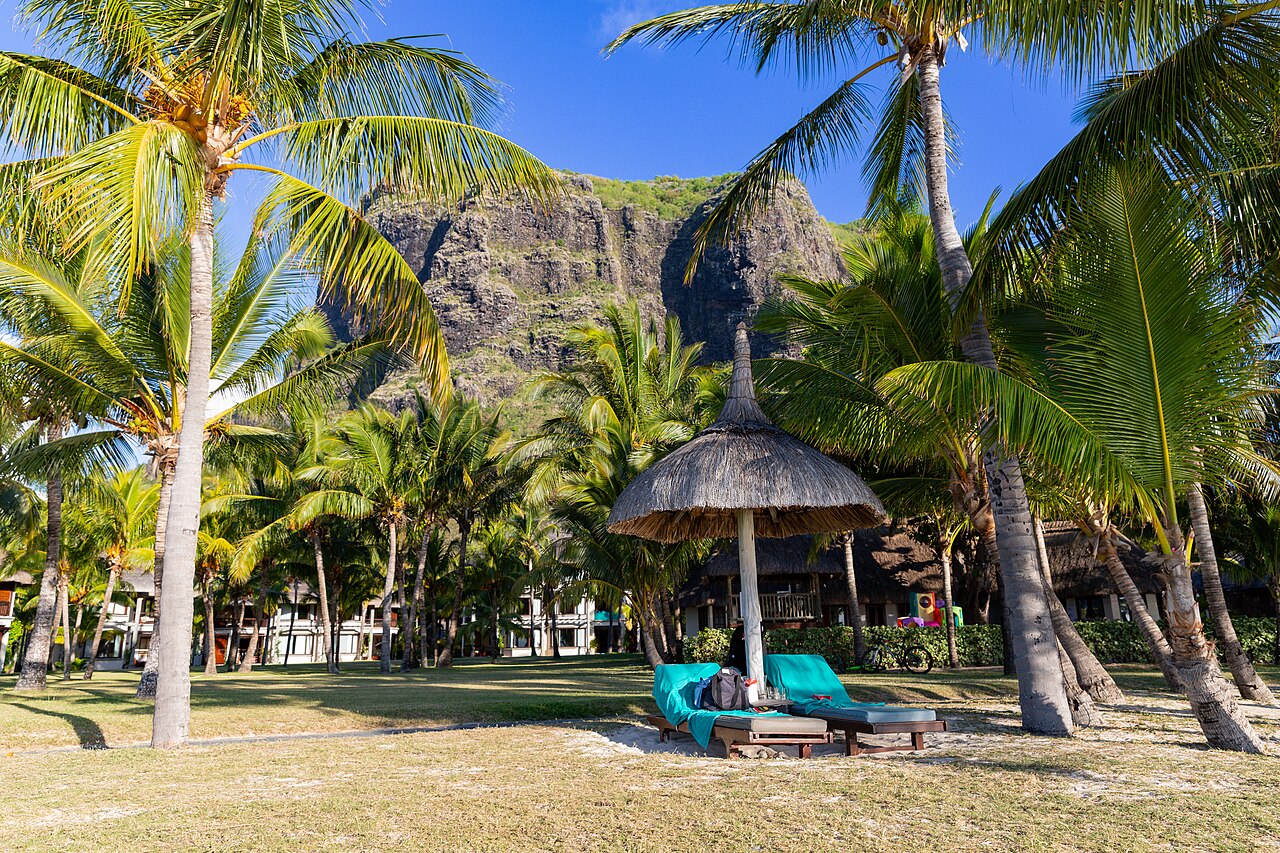
Port Louis holds one of the world’s most significant sites of indentured labour history within its own waterfront, while 50 kilometres southwest a basalt mountain that sheltered escaped enslaved people has become a national symbol of freedom. Together, Aapravasi Ghat and Le Morne Cultural Landscape tell a story of forced migration and resistance that shaped the modern Indian Ocean world. From Cultural Heritage Online.
Aapravasi Ghat Port Louis waterfront — walkable from city centre
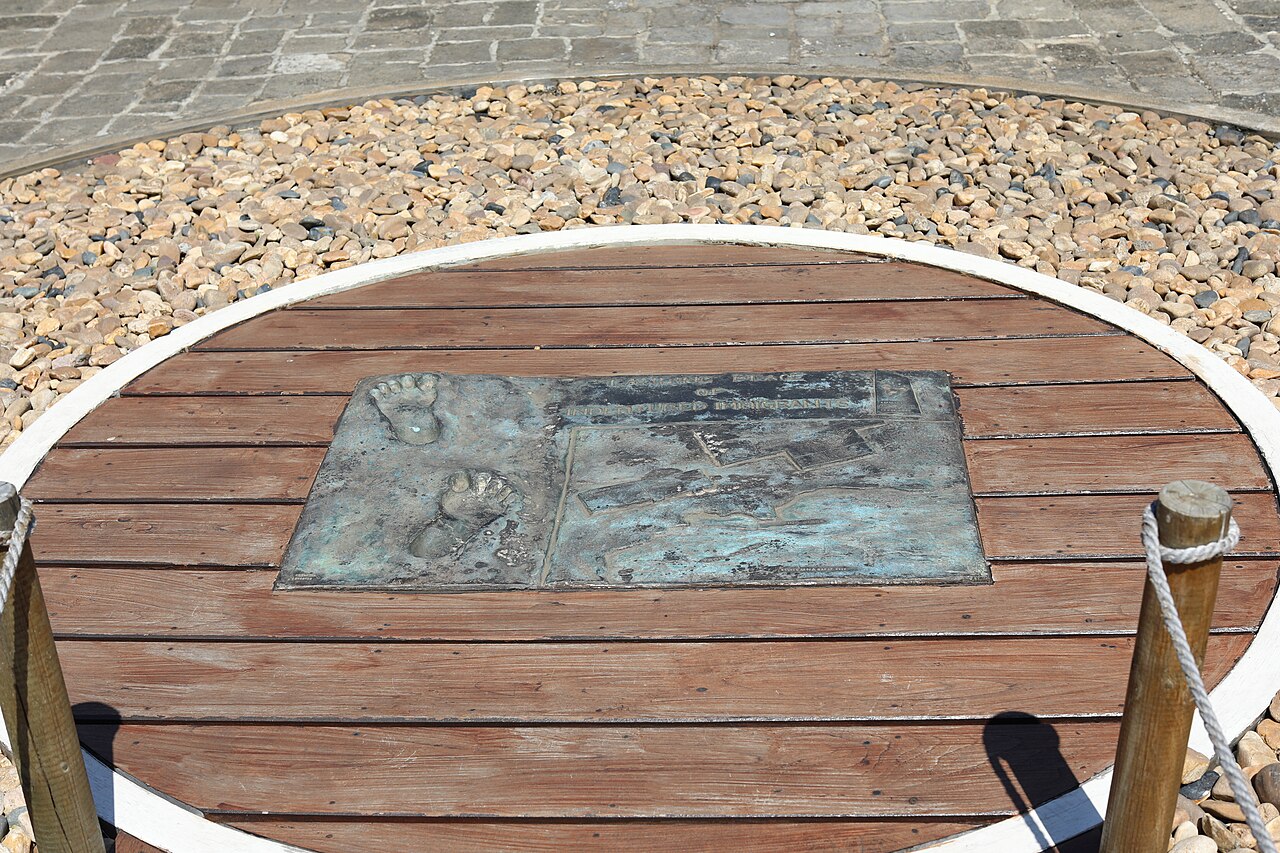
At the edge of the Port Louis waterfront, a low compound of pale stone buildings and worn landing steps marks one of the most consequential immigration sites in British colonial history. Aapravasi Ghat — the name means “immigration depot” in Hindi — was inscribed by UNESCO in 2006 as the place where the modern system of indentured labour was first tested at scale. The original structures survive: a hospital block, barracks, administrative offices, and the stone steps descending directly to the harbour where ships arrived.
When Britain abolished slavery in 1834, Mauritius became the first colony to receive a replacement workforce under indenture contracts. Between 1834 and 1920, nearly 500,000 workers passed through this compound — the overwhelming majority from India, documented in colonial records as girmitiyas, a corruption of “agreement.” Madagascar, East Africa, and China also contributed arrivals. The indenture system refined here was subsequently exported to dozens of British colonies worldwide, displacing roughly two million people across three continents. The site now functions as a museum and research archive, its interpretation focused squarely on that global reach.
The compound is compact — the inscribed area covers just over 1,600 square metres — but standing on the landing steps with the harbour behind you, the geometry of arrival is immediate: ships docking, workers processed, contracts signed in a language most could not read. The museum inside the original hospital building holds passenger manifests, medical records, and objects recovered during conservation work. Visits run between one and two hours; mornings are cooler and quieter.
Getting there: On foot from the city centre; the depot sits on Quay Street at the Caudan Waterfront. Allow: 1–2 hours. Best for: Travellers interested in Indian Ocean history, diaspora heritage, and the long aftermath of abolition.
Le Morne Cultural Landscape 50 km southwest — 45 min by car
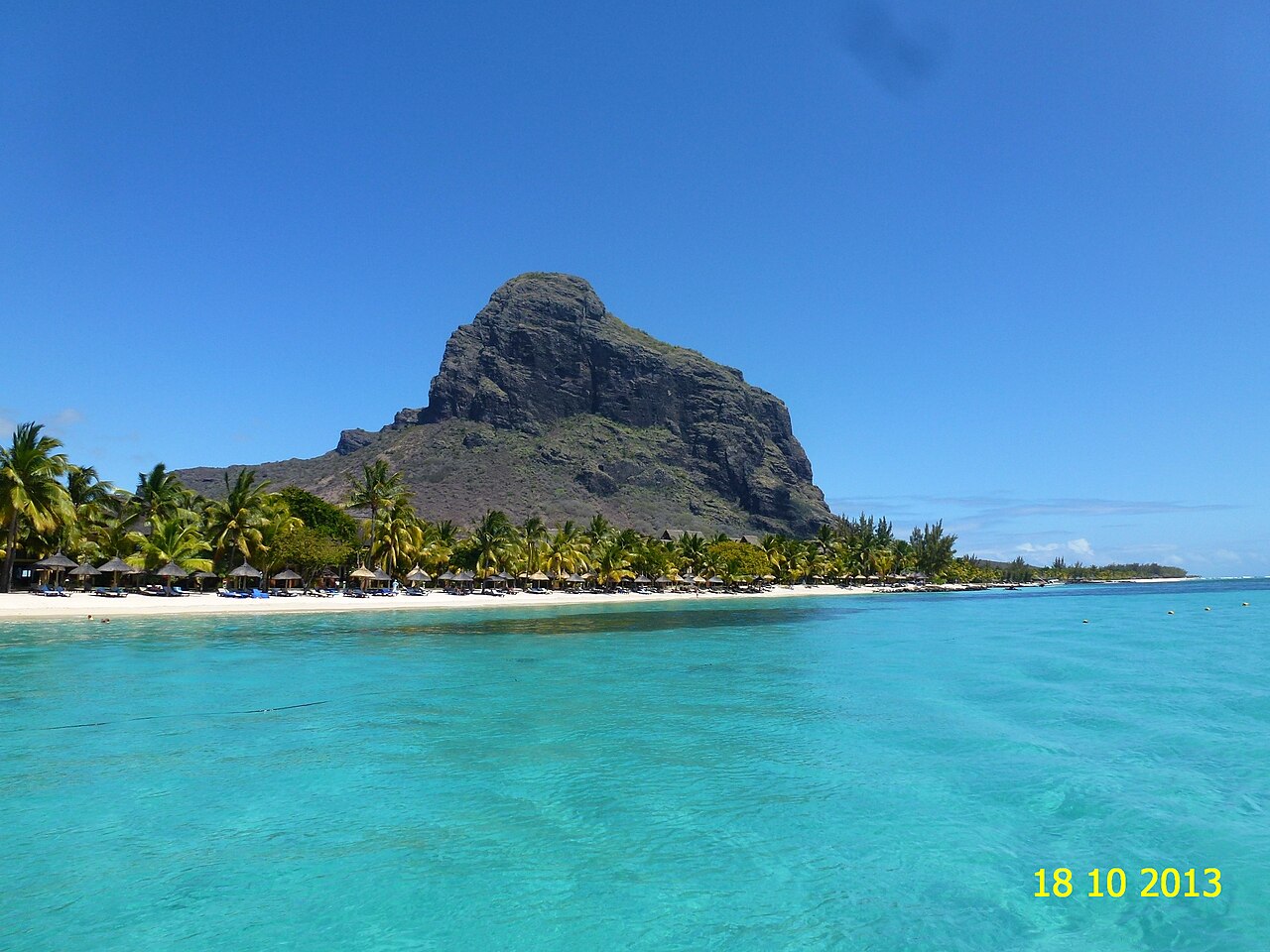
Le Morne Brabant is a 556-metre basalt massif that rises abruptly from a narrow peninsula on Mauritius’s southwestern coast. The mountain and its surrounding landscape were inscribed as a UNESCO World Heritage Site in 2008, recognised not for geological rarity but for the human history layered into its cliffs and caves. During the 18th and early 19th centuries, escaped enslaved Africans — maroons — used the mountain’s near-vertical flanks and dense vegetation as refuge. The peninsula’s geography, almost island-like in its isolation, made pursuit difficult and the summit close to inaccessible for anyone unfamiliar with its routes.
Maroon communities lived on Le Morne until the abolition of slavery in Mauritius in 1835. According to oral tradition, a group of maroons on the mountain, seeing soldiers approaching to announce emancipation, believed they faced recapture and jumped from the cliffs. Whether this account is literal history or communal myth, it has become the defining story attached to the site — one of sacrifice, misunderstanding, and the cost of centuries of violence. The mountain is now a memorial as much as a landscape, and on 1 February each year Mauritius observes the National Day of Abolition of Slavery here.
From the base, the massif is dramatic at any hour: the rock changes colour through the day, moving from grey-green at dawn through deep ochre under direct sun. Hiking trails lead partway up, though the summit requires permits and a guide. The peninsula beach below draws visitors for its own reasons — the shallow lagoon runs from deep turquoise to pale jade — but the inscribed cultural landscape extends across the whole peninsula, including the Le Morne village whose community traces descent from the maroons who survived.
Getting there: By car from Port Louis via the M1 motorway south, approximately 45 minutes. Taxis and rental cars are the practical options; public buses reach the general area but not the peninsula directly. Allow: 2–4 hours including a walk to the base of the massif. Best for: Travellers combining cultural heritage with coastal landscape; those interested in African diaspora history and Mauritian national identity.
Frequently Asked Questions
How many UNESCO World Heritage Sites are near Port Louis?
Mauritius has two UNESCO World Heritage Sites, both reachable from Port Louis: Aapravasi Ghat (inscribed 2006), located on the Port Louis waterfront itself, and Le Morne Cultural Landscape (inscribed 2008), 50 kilometres southwest on the island’s southwestern peninsula.
How do I get from Port Louis to Aapravasi Ghat?
Aapravasi Ghat is walkable from the Port Louis city centre — it sits on Quay Street at the Caudan Waterfront, within 10–15 minutes on foot from the central market and bus stations. No vehicle is needed. The site is signposted from the waterfront promenade.
Can I visit both UNESCO sites in one day from Port Louis?
Yes, comfortably. Aapravasi Ghat is best visited in the morning (1–2 hours), after which a car or taxi south on the M1 motorway reaches Le Morne in about 45 minutes, allowing an afternoon at the peninsula. Allow a full day with an early start. Note that Le Morne’s summit hike requires a licensed guide and advance arrangement if that is part of your plan.
What is the historical connection between Aapravasi Ghat and Le Morne?
The two sites represent consecutive chapters in Mauritius’s history of coerced labour. Le Morne sheltered escaped enslaved Africans until the abolition of slavery in 1835; Aapravasi Ghat began receiving indentured workers from India that same year, as the British colonial administration moved to replace enslaved labour with contracted labour. Together they document the transition from one system of exploitation to another, and Mauritius’s role as a testing ground for policies later applied across the British Empire. UNESCO recognised both sites partly for this shared significance to the history of human movement under duress.


.jpg)

