
Two UNESCO World Heritage Sites are accessible from Antananarivo: the sacred Royal Hill of Ambohimanga, a living pilgrimage destination just 24 km from the capital, and the Rainforests of the Atsinanana, a serial property of six national parks sheltering some of the world’s most extraordinary concentrations of endemic wildlife. From Cultural Heritage Online.
Royal Hill of Ambohimanga 24 km north — 45 min by road
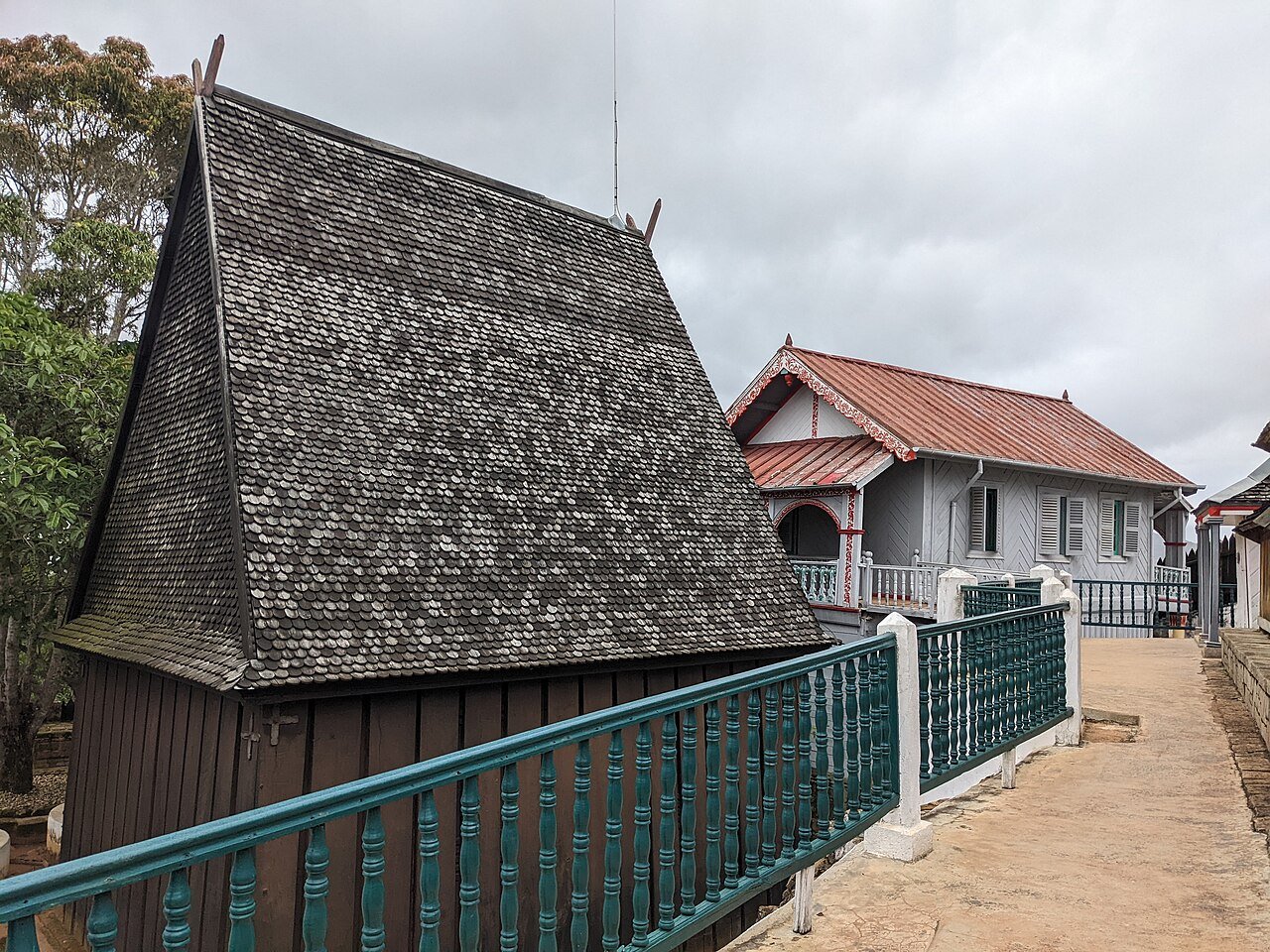
Ambohimanga — the Blue City — sits on a forested hilltop above the plains north of Antananarivo. The rova, or hillfortress, is enclosed by eight original stone gates, each once sealed nightly by a single massive disc of rock that a team of men would roll into place. Inside, the royal compound holds the wooden palace Mahandrihono, where King Andrianampoinimerina lived and ruled in the late eighteenth century before unifying much of Madagascar under Merina authority and shifting his court to the capital.
UNESCO inscribed Ambohimanga in 2001, recognising it as the most significant symbol of Malagasy cultural identity and the spiritual home of the Merina people. That significance is not merely historical. The site remains an active place of worship: visitors arrive daily to leave offerings of honey, rum, and zebu fat at the Tranovola, the silver house, and at the sacrificial enclosures within the compound. Incense and the low sound of prayer are a consistent backdrop. The combination of royal architecture, sacred forest, and unbroken ritual practice is rare anywhere in the world, and in Madagascar it is without parallel.
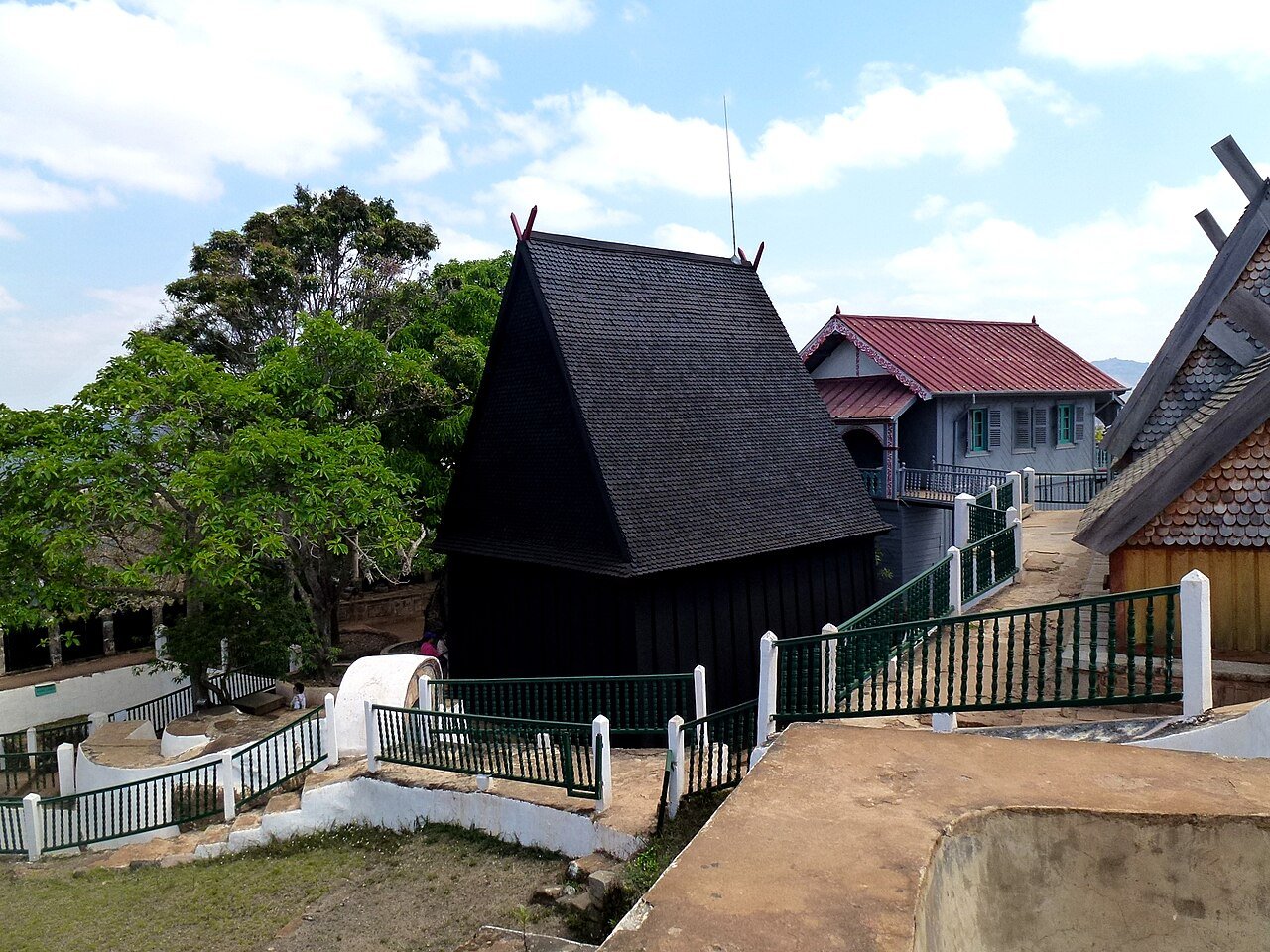
The views from the hilltop extend across a wide agricultural valley. The stone-and-brick Mahandrihono palace, built around 1800 without mortar, stands compact and dark against the sky. A second structure, the French-influenced Tranovola, shows the mid-nineteenth-century shift in Merina court taste. Together they mark two centuries of a kingdom navigating its own traditions while confronting the pressure of European contact.
Getting there: Taxi-brousse from Antananarivo to Ambohimanga (45 min), or private taxi or organised half-day tour from the capital. The road is paved throughout. Allow: 3–4 hours including travel. Best for: Travellers interested in African royal history, living religious culture, and sites that carry genuine spiritual weight beyond the heritage label.
Rainforests of the Atsinanana Nearest inscribed park: 410 km — 8 hr by road
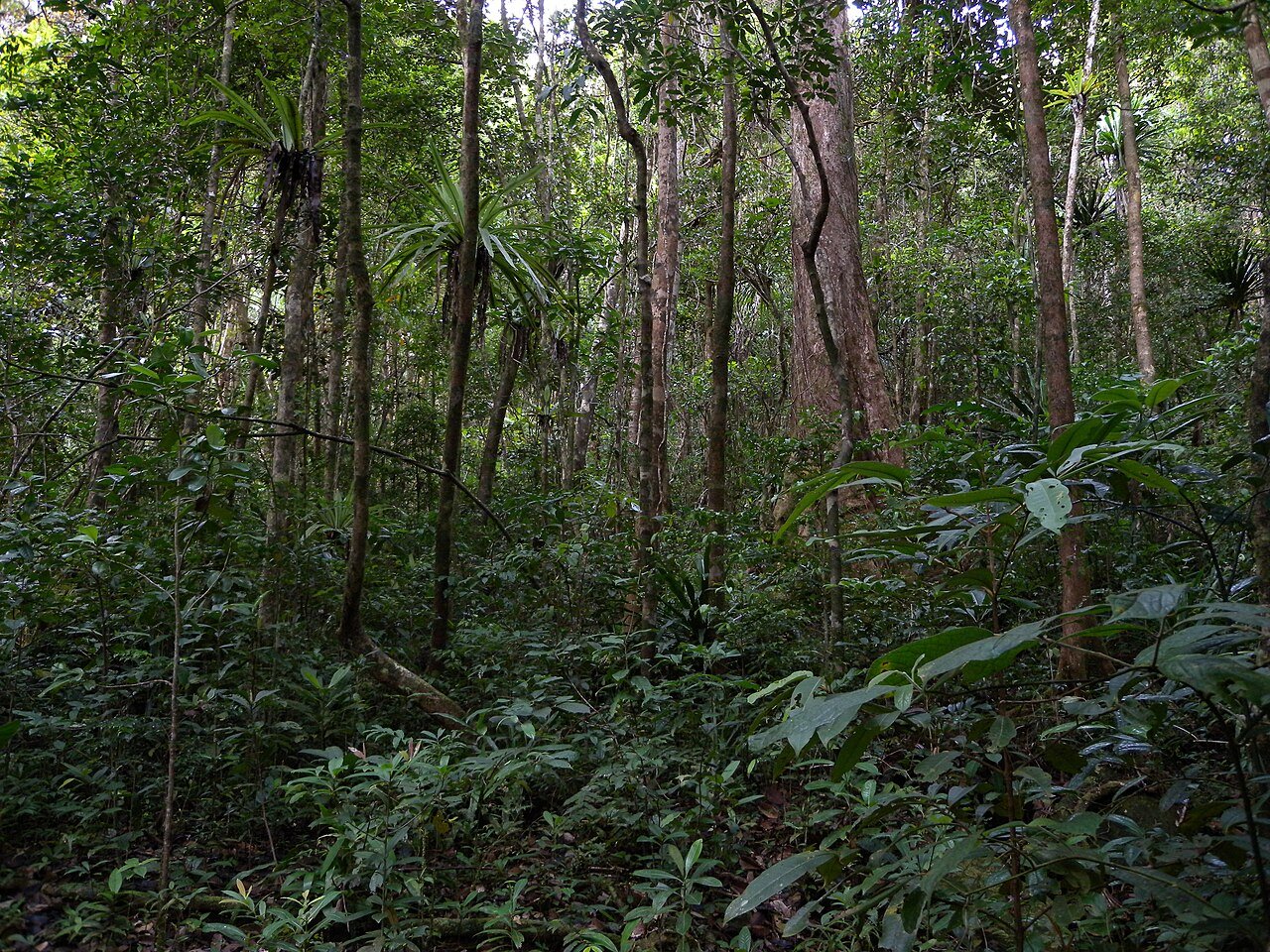
The Rainforests of the Atsinanana is a serial UNESCO property comprising six national parks distributed along the eastern escarpment of Madagascar: Marojejy and Masoala in the north, Zahamena in the centre, and Ranomafana, Andringitra, and Andohahela in the south. UNESCO inscribed the property in 2007 for its outstanding role in the ongoing processes of biological evolution and for the extraordinary biodiversity concentrated within its boundaries. More than ninety percent of Madagascar’s wildlife exists nowhere else on Earth, and these forests hold the highest densities of that endemic fauna.
Ranomafana National Park, 410 km southeast of Antananarivo, is the inscribed park most feasibly reached overland from the capital. The drive passes through the southern highlands before descending into hot, humid forest threaded with fast rivers and waterfalls. The park was established in 1991 following the discovery of the golden bamboo lemur, a species found nowhere outside these valleys. Guided morning walks through the forest have a high probability of encountering several lemur species, including nocturnal varieties spotted by torchlight after dusk. Chameleons move slowly across branches at eye level. The density of species per kilometre of trail is genuinely unusual.
Travellers with more time or a domestic flight budget can reach the northern parks. Masoala, accessible by flight to Maroansetra followed by a boat crossing, protects the largest remaining tract of lowland rainforest in Madagascar — a cathedral-scale canopy above a floor of roots, fungi, and red-ruffed lemurs. Marojejy, further north, rises to alpine moorland above the tree line and shelters the silky sifaka, one of the rarest primates on Earth. Both parks demand at least three days and logistical planning, but they represent the full depth of what the inscription is protecting.
Getting there: Ranomafana — private car or shared taxi-brousse from Antananarivo via Fianarantsoa (8 hr total). Masoala/Marojejy — domestic flight to Maroansetra (1.5 hr from Tana) plus boat transfer. Allow: Minimum 2 nights at Ranomafana; 3–5 nights for northern parks. Best for: Wildlife and natural history travellers; birders; anyone prepared to travel for a genuinely singular ecological experience.
Frequently Asked Questions
How many UNESCO World Heritage Sites are near Antananarivo?
Madagascar has two UNESCO World Heritage Sites, both reachable from Antananarivo. The Royal Hill of Ambohimanga (inscribed 2001) is 24 km north of the capital, a 45-minute drive. The Rainforests of the Atsinanana (inscribed 2007) is a serial property of six national parks along the island’s eastern coast; the nearest inscribed park, Ranomafana, is approximately 410 km southeast.
How do I get to Ambohimanga from Antananarivo?
The most straightforward option is a private taxi hired for a half-day from central Antananarivo — the journey takes around 45 minutes on a paved road. Shared taxi-brousse from the northern taxi station in Tana also serves the route at lower cost. Most organised day-tour operators in the capital include Ambohimanga as a standalone excursion. The site is open daily; entry fees are collected at the gate and guided tours from local guides are available on arrival.
Can I combine Ambohimanga and the Rainforests of Atsinanana in one trip?
Yes, though they require separate days and very different planning. Ambohimanga is a half-day excursion from Antananarivo. The rainforest parks demand at least an overnight stay; Ranomafana is an 8-hour drive from the capital, best approached with two nights minimum to allow for morning wildlife walks. The dry season from May to October is generally the most comfortable period for travel in both zones, though the rainforest parks receive visitors year-round, and some wildlife (particularly nocturnal lemurs) is easier to observe in the wet season.
What makes Ambohimanga historically significant beyond its UNESCO status?
Ambohimanga was the seat of power from which King Andrianampoinimerina, one of Madagascar’s most important historical figures, consolidated the Merina kingdom in the late eighteenth century before establishing Antananarivo as his capital. The site predates that reign: it served as a royal residence and burial ground for Merina sovereigns for centuries, and the chain of sacred sites within the compound — including the Tranovola silver house, the sacrificial enclosures, and the tombs of royal mothers and consorts — reflects a continuous tradition of ancestor veneration that remains central to Malagasy culture. The fact that pilgrims still arrive to leave offerings and pray makes it one of the few UNESCO sites in the world where inscription and living practice occupy the same ground simultaneously.

.jpg)

.jpg)