
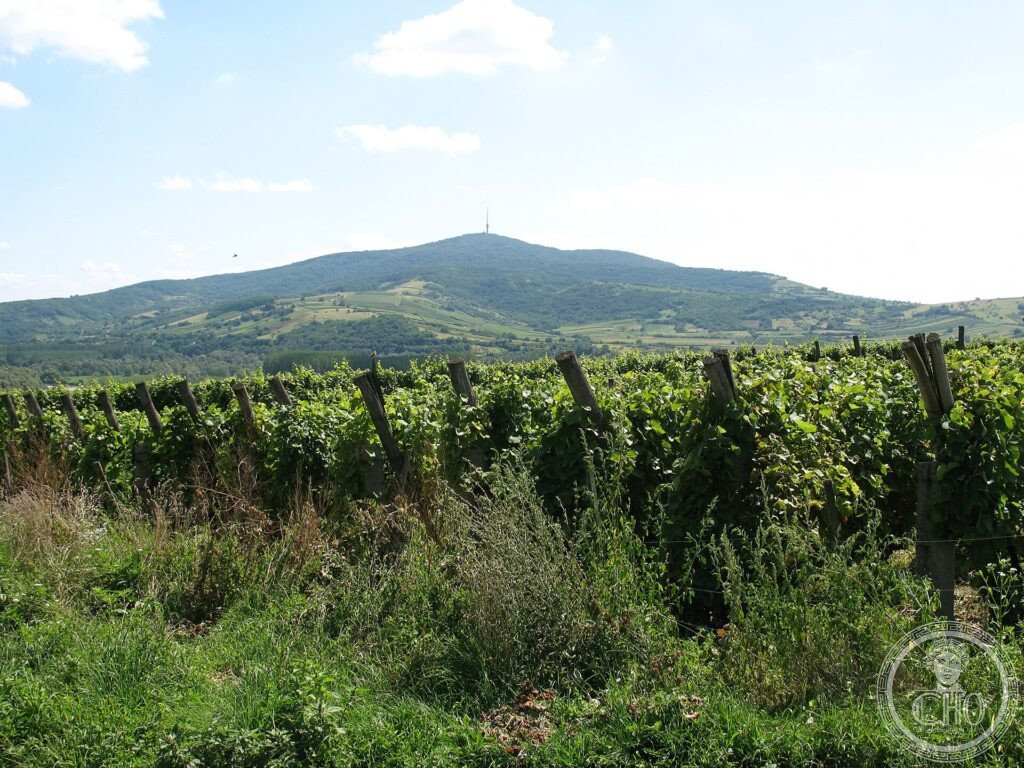
“Wine of kings, king of wines”: that is how Louis XIV described Tokaji, the celebrated sweet wine born on the volcanic hills of north-eastern Hungary. Here, as early as 1737, one of the first classified wine regions in the world was demarcated. A landscape of vineyards, cellars cut into the rock and villages shaped by centuries of winegrowing.
At a glance
The Tokaj Wine Region, in the volcanic hills of north-eastern Hungary, is the home of Tokaji Aszú, the celebrated sweet wine made from grapes affected by noble rot. Wine has been grown here for centuries, and in 1737 the region’s vineyards were classified and demarcated by royal decree — among the first such systems in the world. The pattern of vineyards, the deep cellars cut into the rock and the wine villages form a cultural landscape shaped by a long viticultural tradition, inscribed by UNESCO in 2002.
Key facts
- UNESCO: World Heritage since 2002 (Tokaj Wine Region Historic Cultural Landscape)
- Tokaji Aszú: the famous sweet wine of noble-rotted grapes
- Early classification: vineyards demarcated by royal decree in 1737
- Volcanic soils: hills of volcanic rock and loess
- Rock cellars: deep galleries cut into the tuff for ageing wine
- “Wine of kings”: long prized at the courts of Europe
History
The hills around Tokaj, of volcanic origin, proved ideal for the vine, and by the 16th and 17th centuries their sweet wines were prized across Europe. The special method of using grapes shrivelled by noble rot produced the rich Tokaji Aszú, sought after at royal courts; Louis XIV is said to have called it the “wine of kings and king of wines”.
To protect its quality, in 1737 a royal decree classified and demarcated the Tokaj vineyards, one of the earliest appellation systems anywhere. Generations of growers shaped the landscape of vine-clad slopes and dug the long cellars into the soft rock where the wine matures, a tradition that continues today.
What you see
The region is a landscape of vineyards rising on the slopes of volcanic hills above villages and the meeting of the Tisza and Bodrog rivers, crowned by the Tokaj hill itself. In the villages, doorways open into long cellars cut deep into the rock, their walls black with the “noble mould”, where barrels of Aszú age in the cool.
Wine houses and tasting cellars welcome visitors to the wines that made the region famous.
Practical information
- Wine: village cellars offer tastings of Tokaji, above all the sweet Aszú
- Time needed: a day to tour villages and cellars
- Note: the town of Tokaj is the gateway to the region
- Setting: in Borsod-Abaúj-Zemplén county, north-eastern Hungary
Getting there
The Tokaj region is in north-eastern Hungary, about 50 km north-east of Miskolc and 240 km from Budapest. The town of Tokaj has rail links. GPS: 48.1167° N, 21.4097° E.
Nearby
- Sárospatak — a historic town with a Renaissance castle nearby
- Miskolc — the regional city to the south-west
- Aggtelek caves — the UNESCO karst caves to the north
Sources
- UNESCO World Heritage Centre — “Tokaj Wine Region Historic Cultural Landscape” (ref. 1063)
- Tokaj Wine Region — official body
- Encyclopaedia Britannica — Tokay wine
Find it on the map
See this place and what’s around it →📷 Become a Cultural Heritage Online photographer
Share your photos of places: they stay published under your name as the author. The more they're seen, the more you get noticed — and soon a contest will reward the most appreciated photos.
Log in or sign up free to add a photo