
A marble statue of Tito Livio (Livy), the Roman historian, was created by Italian sculptor Arturo Martini in 1942 for Palazzo Liviano at the University of Padua.
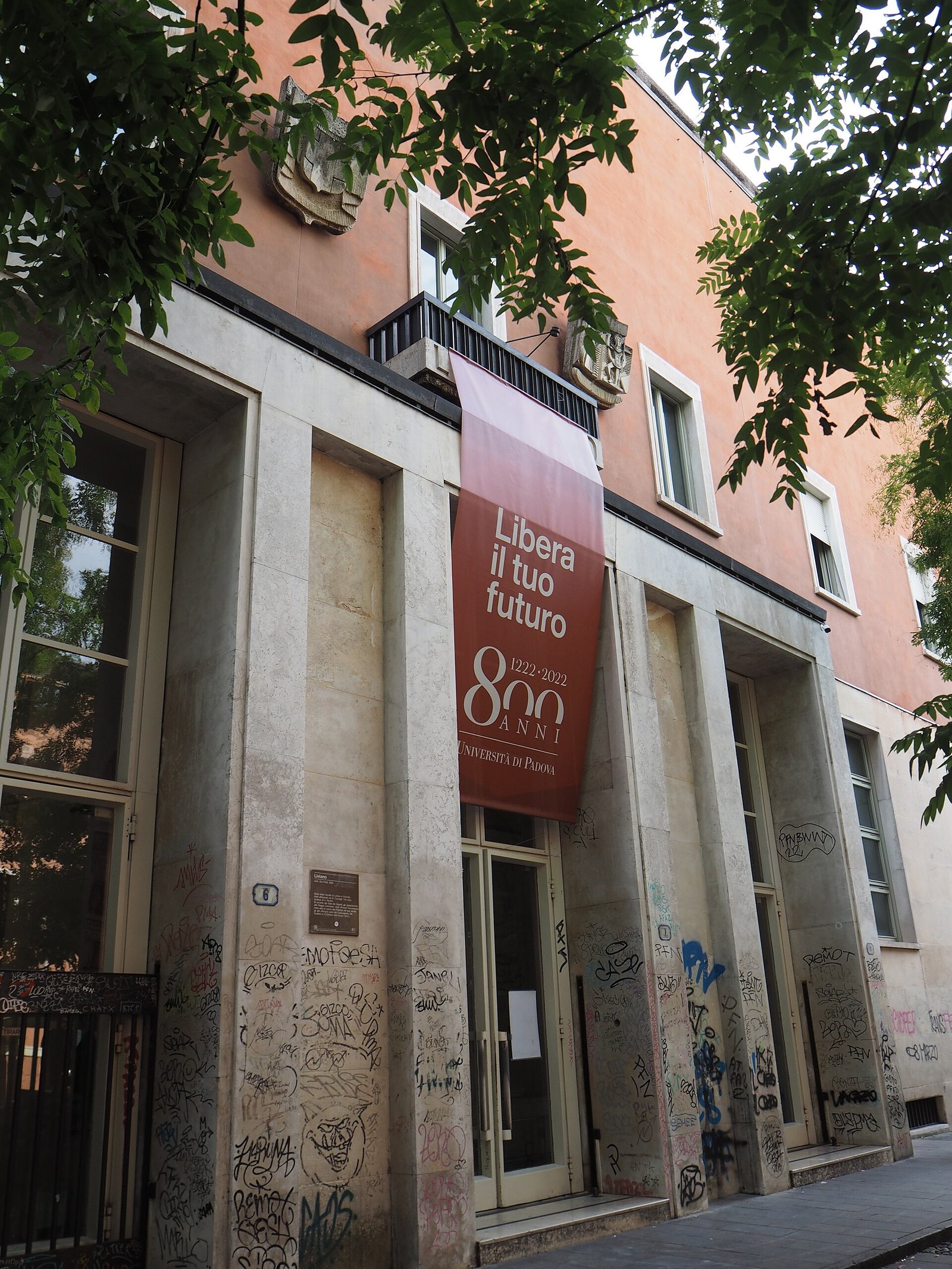
Palazzo Liviano, named in honour of the ancient historian, stands on the site of the former Palazzo del Capitanio in central Padua, its structure incorporating remains of the medieval building. Today the palace houses the School of Human, Social and Cultural Heritage Sciences and the Department of Cultural Heritage: Archaeology, Art History, Cinema and Music, along with the Museum of Archaeological Sciences and Art. The building connects to the Sala dei Giganti, a frescoed Renaissance hall now used for concerts and conferences.
About Arturo Martini
Arturo Martini (1889–1947) was an Italian sculptor active between the world wars. His career encompassed both modernist experimentation—he corresponded with Futurist figures and produced early works showing archaic tendencies and polychrome effects—and a return to classical forms marked by what has been described as irony and eclectic reinterpretation. Between the wars, Martini undertook numerous public commissions for monuments and commemorative works across Italian universities, churches and courthouses.
Details
- Creator: Arturo Martini
- Year: 1942
- Location: Palazzo Liviano, University of Padua
- Subject: Tito Livio (Livy), Roman historian
- Building function: University faculties and museum
Frequently asked questions
Who was Tito Livio?
Tito Livio (Livy) was a celebrated Roman historian of the Augustan age. Palazzo Liviano was named in his honour.
When was Palazzo Liviano built?
Palazzo Liviano is a twentieth-century building constructed on the site of the former Palazzo del Capitanio, incorporating remains of the medieval structure.
What is Arturo Martini known for?
Martini was a prominent Italian sculptor between the world wars who moved between modernist and classical approaches, executing major public commissions for universities, churches and civic buildings.


