
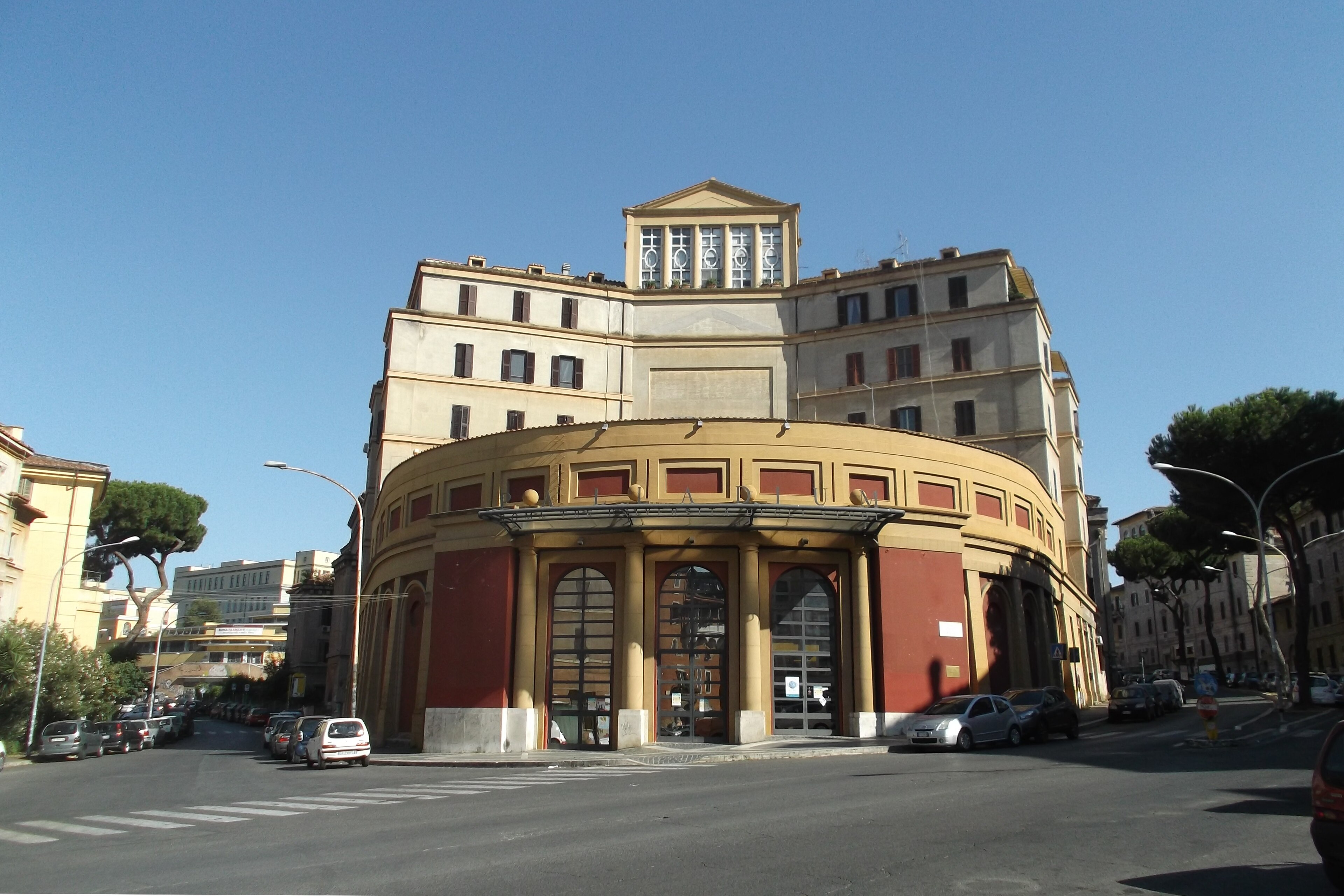
A residential building designed by architect Innocenzo Sabbatini for the Istituto Case Popolari (Institute for Public Housing) in Rome’s Garbatella neighbourhood, completed between 1926 and 1928.
The structure forms part of lotto XIV, one of the project units that define Garbatella’s urban layout. The neighbourhood, founded in 1920, adopted a design principle borrowed from the English Garden City movement, in which groups of buildings are arranged around shared gardens that function as community spaces. By 1930, Garbatella had become Rome’s most densely populated district.
Sabbatini had begun his career with the Istituto per le Case Popolari in Rome from 1913, working as a draughtsman and site assistant before developing into an established architect. His early practice in Liberty style evolved through his engagement with large-scale public housing projects such as this one.
About Innocenzo Sabbatini
Innocenzo Sabbatini was born in Osimo in 1891 and trained initially under his maternal uncle, architect Costantino Costantini. After early experience with municipal building projects in his hometown, he moved to Rome in late 1913 to join the Istituto per le Case Popolari, where he advanced from assistant roles to architectural design.
Details
- Architect: Innocenzo Sabbatini
- Location: Garbatella, Rome (lotto XIV)
- Completed: 1926–1928
- Client: Istituto Case Popolari (ICP)
- Urban context: Garden City movement–inspired neighbourhood with shared community gardens
Frequently asked questions
Who designed this building?
The building was designed by Innocenzo Sabbatini, an Italian architect born in Osimo in 1891, who worked extensively for the Istituto per le Case Popolari from 1913 onwards.
What is Garbatella and why was this housing built there?
Garbatella is a neighbourhood in Rome founded in 1920 as a public housing district. It was designed around the Garden City movement principle, with residential units grouped around shared gardens to create informal community spaces for families.
When was the building completed?
The building was constructed between 1926 and 1928 as part of the Istituto Case Popolari’s expanding housing programme in Garbatella.


