The Sage Path, or Sentiero della Salvia, is among the principal trails across the Karst plateau in the municipality of Duino Aurisina, near Trieste, Italy. Presented in April 2022, this four-kilometre route runs level and without difficulty, tracing the edge of the karst escarpment from the hamlet of Santa Croce to Aurisina.
Route and Landscape
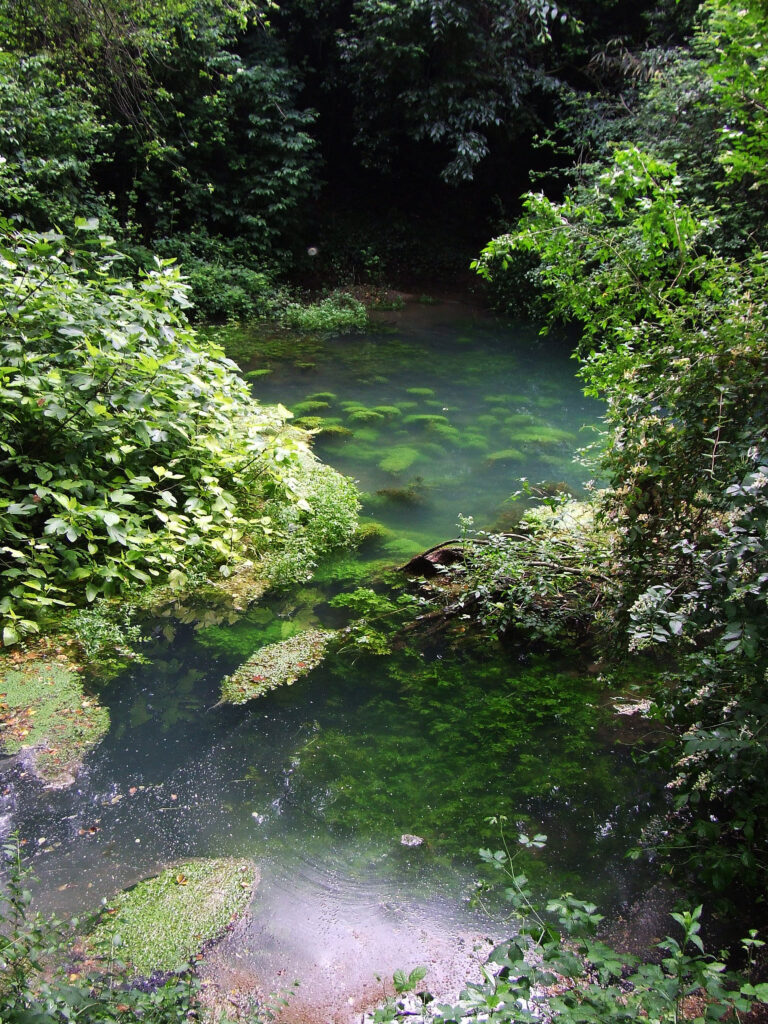
The trail, dedicated to Triestine alpinist Tiziana Weiss, displays a sequence of colours and scents: the red of sumac, the bright white of karst limestone, the dark green of juniper shrubs, and the aroma of sage that marks the entire path. The route commands views across the entire Trieste coastline and leads to a lookout tower built atop a bunker dating to both World Wars, from which visitors can see the Gulf of Trieste and the cliffs of Duino.
Historical Features
Walking the trail reveals historical remnants connected to the construction of the southern railway between Trieste and Vienna during the Austro-Hungarian Empire period. The trail, officially designated Sentiero 23, is protected from the Bora wind that frequently sweeps the region, and offers particularly striking views of the gulf on clear days, extending from the Croatian coast at Savudrja to the Grado Lagoon.
On video
Explore more: 50 heritage places in Trieste
Frequently asked questions
Where does the Sage Path run?
The trail extends four kilometres from Santa Croce to Aurisina, tracing the edge of the Trieste Karst escarpment in the municipality of Duino Aurisina.
Who is the trail named after?
The Sentiero della Salvia is dedicated to Tiziana Weiss, a celebrated alpinist from Trieste.
What historical structures are visible on the trail?
The path features a lookout tower built above a World Wars-era bunker and remains related to the Trieste-Vienna railway construction from the Austro-Hungarian period.
Sources
- S1 — Magris, Claudio. Danube: A Sentimental Journey from the Source to the Black Sea. Harvill Press, 1989. ISBN 978-1-86046-823-0.
- S2 — Morris, Jan. Trieste and the Meaning of Nowhere. Faber & Faber, 2001. ISBN 978-0-571-20782-4.
Spotted an error? Write to editorial@culturalheritageonline.com and we correct it the same day.