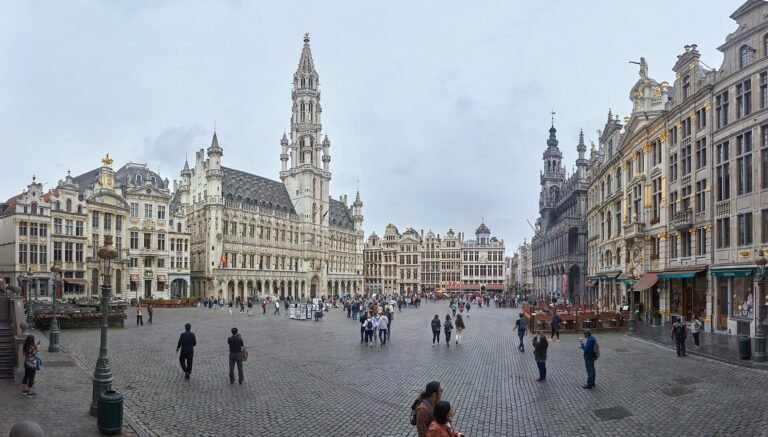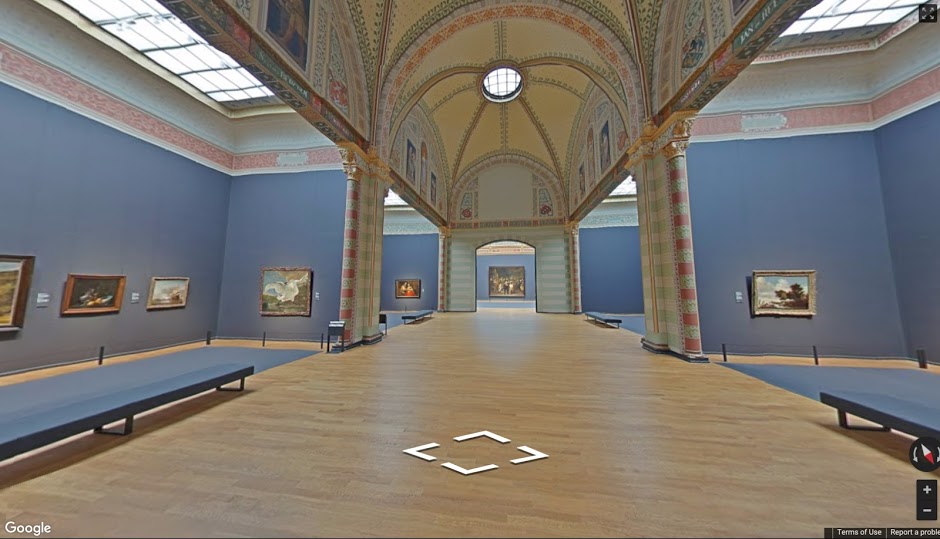
The European project Inception has created a pathway for virtual tourism using 360-degree video and immersive tours, enabling visitors to explore cultural sites remotely and assess their accessibility before making in-person visits. Presented in September 2021, the approach offers immersive reality technology to make cultural spaces discoverable and available to wider audiences, particularly those unable to visit physically.
Virtual Tourism as Planning Tool
Since the COVID-19 pandemic, 360-degree video and immersive tours have gained traction as tools for exploring locations and planning future travel. These technologies serve a dual purpose: they allow prospective visitors to preview destinations and, importantly, enable them to identify architectural barriers or accessibility issues that might prevent them from fully experiencing certain spaces.
Best Practices for Immersive Content
Creating effective 360-degree video requires careful production techniques. Content should avoid abrupt scene transitions and instead move gradually between locations, allowing viewers time to observe their surroundings. Text overlays should be minimized to avoid forcing viewers to look in specific directions; narration is preferred to guide attention and create moments of discovery. Camera movement should be deliberate and slow, giving audiences adequate time to absorb details often overlooked in standard footage.
Technical specifications matter equally: videos must be lightweight for web distribution while maintaining good image quality, as most viewers will watch through smartphones in VR headsets. Those seeking assistance in producing 360-degree video for cultural or tourism initiatives can contact OASIS.srl.
On video
Frequently asked questions
What is the Inception project?
Inception is a European project that uses 360-degree video and immersive tours to enable virtual tourism and discovery of lesser-known locations, allowing people to explore sites remotely and assess accessibility before visiting.
How can virtual tours help before visiting?
Virtual tours allow visitors to preview destinations and identify architectural barriers or accessibility challenges that might prevent them from fully experiencing certain spaces in person.
What technical requirements matter for 360 video?
Videos must be lightweight enough to stream on the web while maintaining good image quality, as most viewers watch through smartphones in VR headsets.