Published in September 2021, this article examines how events, real estate, and tourism industries across Italy adopted immersive technologies—virtual reality (VR) and augmented reality (AR)—to respond to pandemic-related restrictions and physical distancing requirements.
Social distancing and sectoral collapse
Social distancing rules imposed by the COVID-19 emergency severely damaged sectors dependent on human interaction and in-person hospitality. The events and trade show industry experienced total shutdown of exhibitions. Cultural institutions, museums and exhibitions, which rely on physical visitor presence, faced unprecedented challenges. These sectors recognised that immersive technologies could provide an alternative pathway for engagement and business continuity.
Real estate and virtual property tours
Prospective property buyers no longer need to travel physically to view homes. Companies are already creating residential neighbourhoods with virtual apartments accessible from home via VR headsets. However, limitations persist: headsets remain too large, unwieldy and expensive, with limited market penetration. Cultural barriers—lack of user motivation—previously hindered adoption. The pandemic fundamentally changed this dynamic: losing potential clients due to inability to access services, even temporarily, became unacceptable.
Museums and virtual experiences
Italian museums emerged as leaders in adopting virtual experiences during the crisis. The Egyptian Museum of Turin launched “non perdiamoci di vista” (let’s stay in touch), a virtual journey through exhibition artefacts developed with Politecnico students. Before COVID-19 reached Italy, a virtual tour of the “Fellini100” exhibition in Rimini was produced. During lockdown, a Forbes article highlighted the virtual tools adopted by Emilia-Romagna to maintain contact with international tourists temporarily unable to travel.
Tourism destinations and virtual engagement
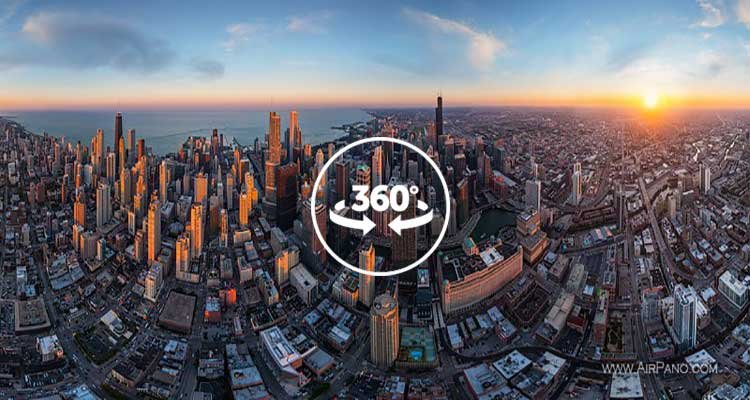
Tourism destinations suffered most severely in 2020. Absent physical visitors, tourism authorities, hotels and destinations turned to VR and AR applications to maintain visitor interest and provide inspiration for future real-world travel. For Rimini’s Tourism Office, a virtual aerial tour mapping was created, serving both informational and promotional purposes while documenting the city’s territorial changes and redevelopment over recent years.
On video
Frequently asked questions
Why did cultural barriers delay VR and AR adoption before the pandemic?
Prior to COVID-19, users lacked sufficient motivation to adopt virtual reality and augmented reality technologies, despite their technical availability.
What technology does Facebook own that supports VR development?
Facebook owns Oculus, the company developing VR headset technology already present in millions of homes with increasingly compact and lightweight devices.
How did Rimini’s Tourism Office use virtual reality?
The office commissioned a virtual aerial tour mapping the destination to both attract tourists and showcase territorial changes and redevelopment undertaken by the city.