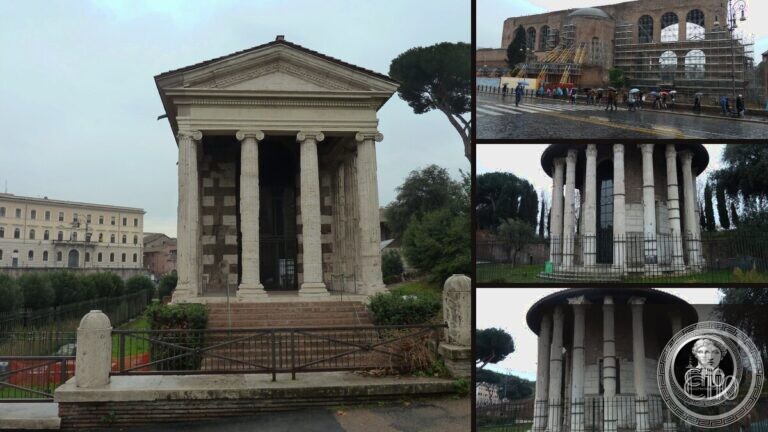
Published in September 2021, technology journalists and travel commentators examined the growing role of virtual tourism in making distant cultural destinations accessible to people unable to travel freely. While vaccines, testing, and COVID certificates had restored physical travel for many, a significant portion of the population faced barriers to visiting far-off cities and sites—whether due to health concerns, age, or financial constraints.
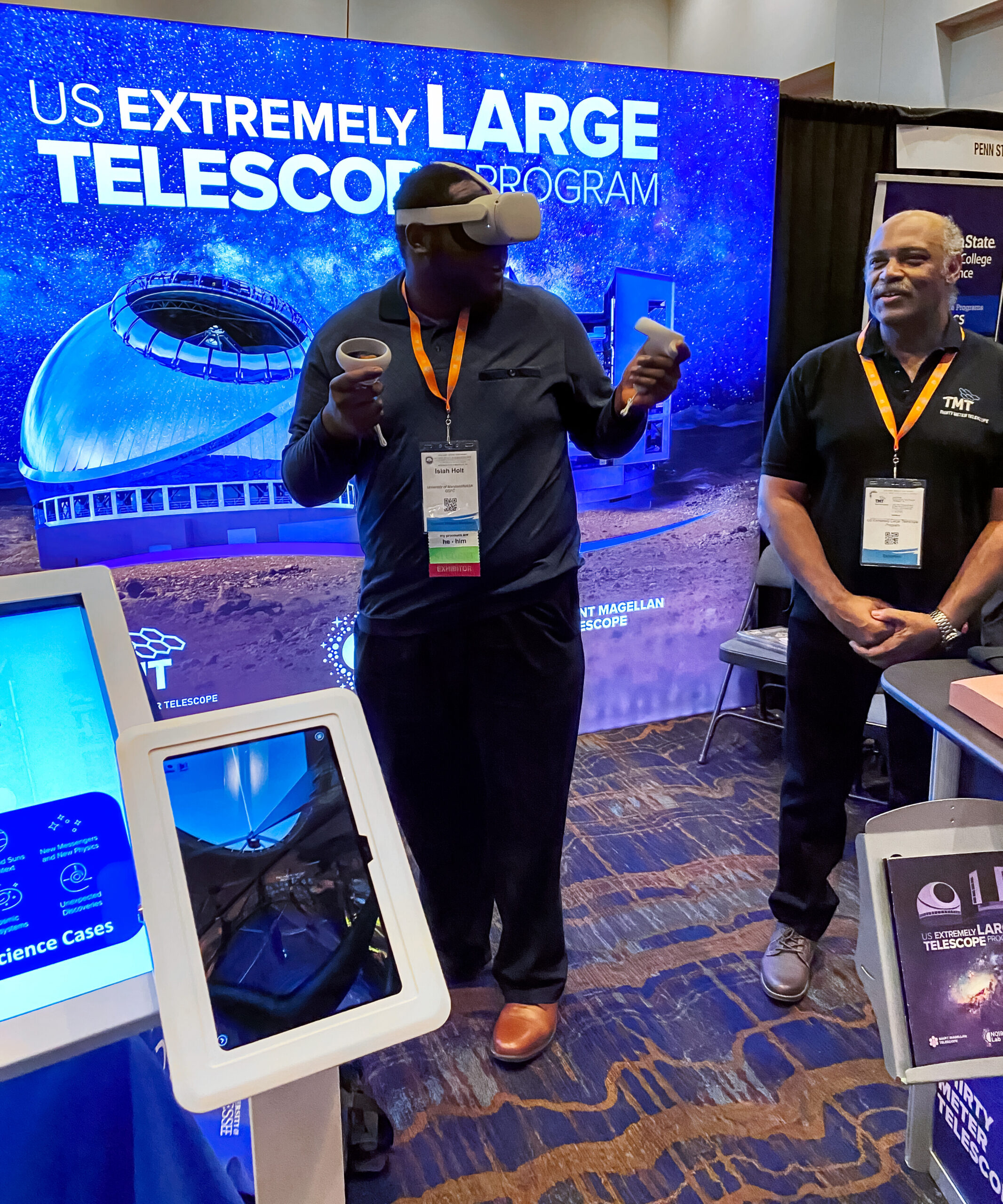
Virtual travel technology emerged as a solution to these limitations, enabling people to discover previously unknown destinations while remaining comfortably at home. The application of virtual technology to travel created possibilities once thought impossible, allowing users to experience cultural sites and cities through immersive digital means.
Virtual Experiences and Cultural Heritage
Virtual tourism represents a democratization of cultural access. Those restricted by mobility, health issues, or economic circumstances could now explore heritage sites, museums, and landmarks through immersive digital tours. This technology addressed a fundamental gap in travel accessibility, ensuring that physical distance or personal constraints need not prevent cultural discovery.
Growing Accessibility Through Digital Innovation
The expansion of virtual tour platforms and immersive experiences transformed how people could engage with cultural destinations. Technology enabled remote exploration of sites across Italy and internationally, creating new pathways for educational and recreational travel experiences that worked regardless of a visitor’s ability to travel physically.
On video
Frequently asked questions
Who benefits most from virtual tourism?
People unable to travel freely due to health concerns, age, or financial limitations benefit from virtual tourism, allowing them to discover distant cities and cultural sites from home.
What makes virtual travel technology effective for cultural exploration?
Virtual technology applied to travel creates immersive experiences that enable users to explore heritage sites and landmarks remotely, making cultural destinations accessible to those who cannot travel physically.
Sources
- S1 — Buhalis, Dimitrios, and Zornitza Yovcheva. Augmented Reality in Tourism: 10 Challenges for the Future. Springer, 2014. ISBN 978-3-319-01383-1.
- S2 — Bec, Allan, Brent Moyle, Katie Timms, and Vikki Schaffer. Management of Immersive Heritage Tourism Experiences. Tourism Management, 2019. ISBN 978-0-12-815403-8.
Spotted an error? Write to editorial@culturalheritageonline.com and we correct it the same day.